
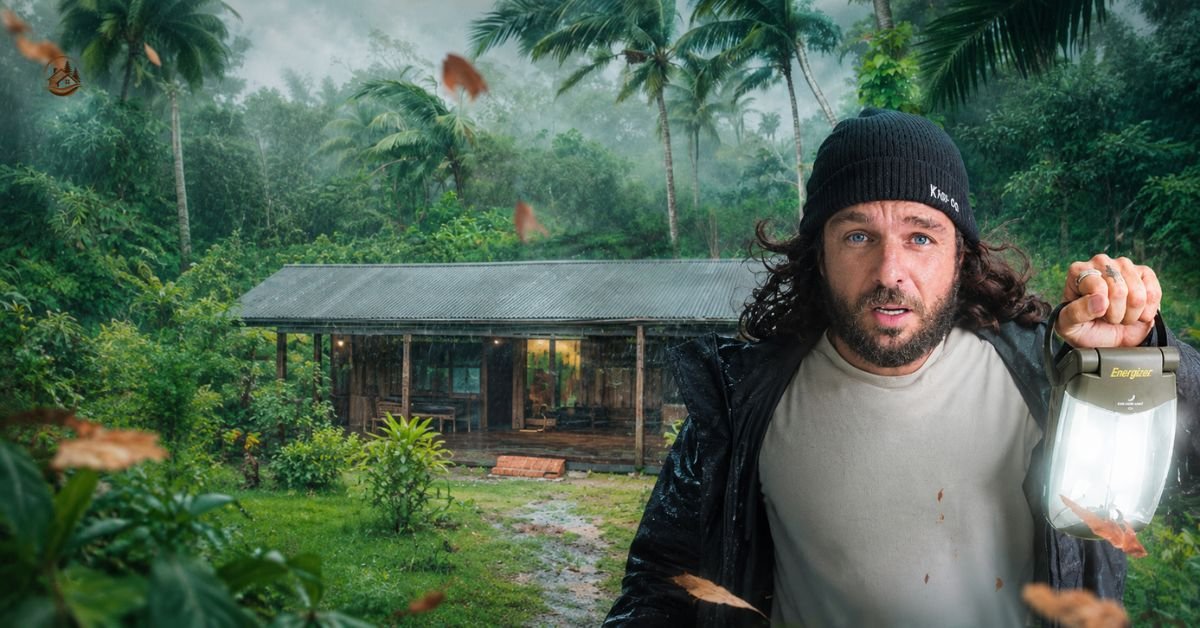
Living without the usual comforts of city life can sound peaceful until you realize how much you depend on them every day. Off-Grid Living can give you freedom and a closer connection to nature, but it also comes with challenges that aren’t always obvious at first.
The good news is that most problems become easier when you prepare before moving to a remote location. In this guide, you’ll learn about choosing the right location, managing power and water, handling waste, staying connected, and preparing for common off-grid living challenges.
Finding a Good (Legal) Location
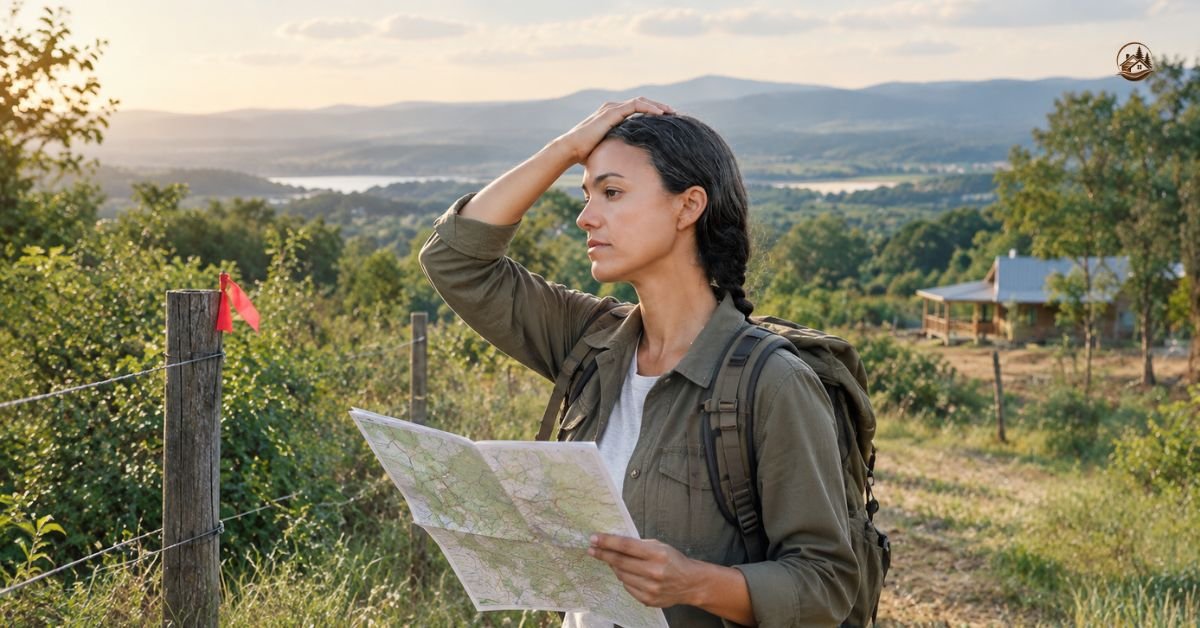
Choosing land is one of the biggest decisions you’ll make when planning an off-grid lifestyle. A beautiful remote property isn’t necessarily suitable for an off-grid home. Before buying land, check access roads, water availability, sunlight, soil conditions, weather risks, and distance from essential services. A location that looks perfect online may become difficult to manage once you actually live there.
Legal requirements matter just as much. Zoning laws, building permits, local regulations, and land-use regulations can determine whether you can build an off-grid residence. Some areas have specific rules about septic systems, wells, tiny homes, or permanent residences. Research these requirements before purchasing off-grid land so you don’t end up with a property you can’t legally use.
Locations for Off-Grid Residences
For a permanent residence, look for land that offers reasonable access to sunlight, fresh water, roads, and emergency services. A remote location can provide privacy, but being extremely isolated may create problems when you need medical help, supplies, or repairs. Check the area’s climate and natural hazards as well. Flood zones, wildfires, extreme winters, and drought can affect both safety and daily living.
Locations for Mobile Off-Grid Living
Mobile off-grid living gives you more flexibility because your home can move when your needs change. However, you still need to understand local regulations before parking or living in an RV, tiny home, camper, or other mobile setup. Look into permitted camping periods, private land rules, road access, waste disposal, and water sources. A location that works for a short stay may not allow long-term occupancy.
Must Read this Article: Click Here
Understanding Off-Grid Power
Reliable power is one of the biggest parts of an off-grid power system. Most homeowners use solar power systems because solar panels can produce electricity without connecting to a traditional utility grid. However, panels alone aren’t enough. You’ll also need battery storage or another form of energy storage so you have electricity when the sun isn’t shining.
Start by understanding your actual power consumption. Refrigerators, pumps, heaters, computers, lights, and other appliances can use more electricity than expected. Improving energy efficiency can reduce the size and cost of your system. A backup generator can also provide extra security during long periods of cloudy weather or unusually high electricity usage.
Off-Grid Heating & Cooling
Temperature control can become challenging when you’re not connected to conventional utilities. Your heating and cooling choices should match the local climate, house design, and available energy sources. Good insulation can reduce heat loss in winter and help keep indoor temperatures comfortable during summer.
Natural ventilation, shading, and passive cooling can reduce the need for powered air conditioning. In colder climates, an efficient heating system becomes especially important. Planning these features during construction is usually easier and cheaper than trying to fix temperature problems later.
Off-Grid Heating Sources
An off-grid home can use several heating sources depending on the location and available resources. Wood stoves are common in rural areas, while propane heating can provide another practical option. Solar heating and efficient electric heating can also work when your independent power system has enough capacity.
Safety should always come first. Wood-burning systems need proper ventilation and chimney maintenance, while propane systems require careful installation and regular inspection. Keep heating equipment away from flammable materials and maintain adequate airflow inside the home.
How to Stay Cool Living Off The Grid

Staying cool becomes more difficult when you can’t simply rely on a large air-conditioning system. Fortunately, smart home design can make a major difference. Position windows to encourage cross-ventilation and use shades or exterior coverings to block direct sunlight during the hottest parts of the day.
You can also reduce indoor heat by using energy-efficient appliances and avoiding unnecessary electricity use during peak heat. Trees and other natural shade can help around the property. If you live in a hot climate, combining insulation, natural ventilation, passive cooling, and limited mechanical cooling can make your home much more comfortable.
Managing Your Fresh Water
Water is one of the most important off-grid living requirements. Depending on your location, your water supply may come from a well, spring, rainwater harvesting system, or another reliable source. Before settling on a property, determine how much water is available throughout the year rather than checking only during the rainy season.
Water storage, filtration, and purification are also essential. Even water that looks clean may contain bacteria, chemicals, or other contaminants. Store enough drinking water for emergencies and monitor your household water usage. Simple conservation habits, such as fixing leaks and using efficient fixtures, can significantly reduce demand.
Managing Your Septic & Plumbing
Off-grid plumbing requires careful planning because there’s no municipal system to handle wastewater. A septic system is a common solution for permanent homes, but the property must meet local requirements and have suitable soil conditions. Some smaller homes may use a composting toilet or another alternative system.
Your setup may also need to manage graywater, blackwater, and other wastewater safely. Poor wastewater management can contaminate groundwater and create health problems. Work with qualified professionals when installing septic tanks, sewage treatment systems, or other specialized plumbing equipment.
Dealing With Food Storage and Waste
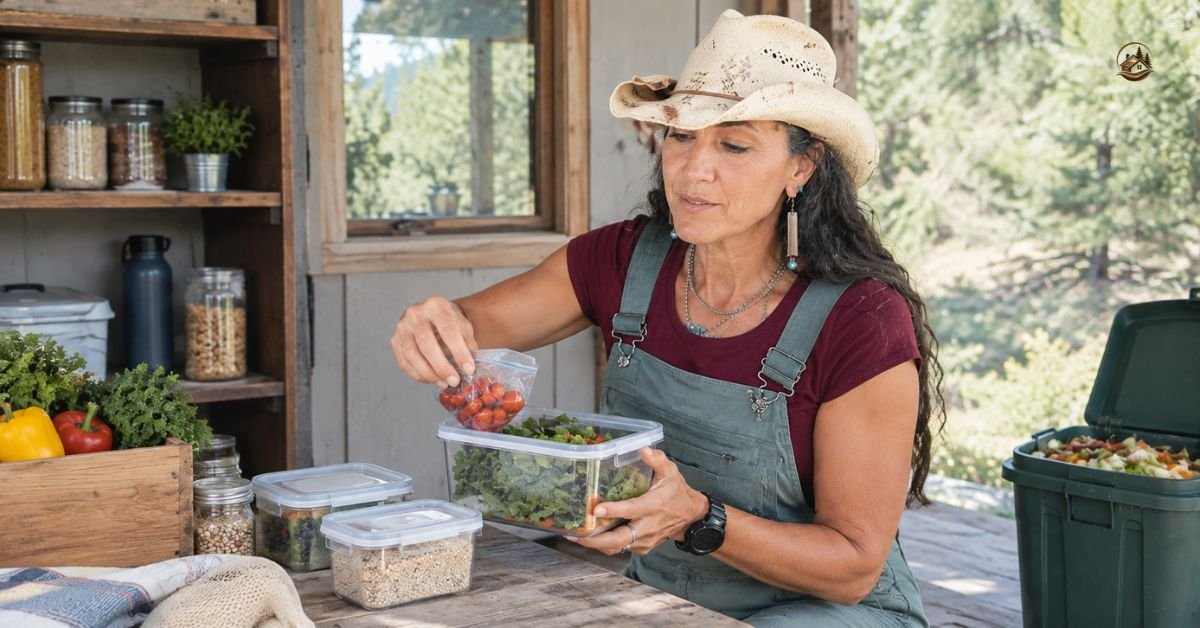
Food storage becomes more important when grocery stores aren’t just a few minutes away. An off-grid household may need to keep shelf-stable food, preserved produce, grains, canned goods, and other supplies available for longer periods. Your storage area should remain cool, dry, clean, and protected from pests.
Waste management also requires more personal responsibility. Without regular municipal garbage collection, you’ll need a practical plan for recycling, composting, and disposal. Organic waste can often become compost, while recyclable materials should be separated and stored until they can be taken to an appropriate facility.
Storing Food Without Reliable Refrigeration
Food storage without electricity can be challenging, particularly during hot weather. A root cellar can provide a naturally cool environment for certain vegetables and other foods. You can also rely on food preservation methods such as canning, drying, pickling, and storing shelf-stable products.
Refrigeration alternatives can include propane-powered refrigerators or highly efficient units connected to battery storage. The best choice depends on your climate, budget, available energy, and household needs. Always prioritize food safety and avoid keeping perishable food at unsafe temperatures.
Managing Household Waste
Household waste doesn’t disappear just because you live away from the city. Plan how you’ll handle organic waste, recyclables, packaging, and materials that cannot be reused. Composting can turn suitable kitchen scraps and yard waste into useful material for gardens.
For other waste, find out where the nearest legal disposal or recycling facility is before moving to the property. Never burn materials that release harmful fumes or dump household waste on the land. A simple waste management routine can prevent unpleasant odors, pests, and environmental damage.
Handling Internet, Communication, and Emergencies
Staying connected can be one of the less obvious challenges of living in a remote area. Cell service may be weak or unavailable, and traditional broadband might not reach your property. Depending on the location, off-grid internet may require satellite internet, fixed wireless service, or another specialized option.
Communication becomes even more important during emergencies. Keep backup communication methods available if possible, especially when severe weather can interrupt normal services. Emergency supplies should include essentials such as food, drinking water, first-aid items, lighting, batteries, and necessary tools.
| Challenge | What to Expect | What You Can Do |
| Internet Access | Traditional broadband may not reach remote properties. | Consider satellite internet, fixed wireless, or other available options. |
| Cell Service | Mobile signals may be weak or unavailable. | Check coverage before choosing your location and keep a backup communication method. |
| Emergency Communication | Severe weather or equipment failures can interrupt normal communication. | Keep backup communication devices and important emergency contacts available. |
| Emergency Supplies | Remote locations may be far from stores and essential services. | Keep food, drinking water, first-aid supplies, lighting, batteries, and basic tools ready. |
| Emergency Preparedness | Power, water, or communication systems can fail unexpectedly. | Create an emergency plan and regularly check your supplies and equipment. |
Preparing for Off-Grid Living Challenges
Preparation is what turns an uncertain lifestyle into a manageable one. Before moving, create an emergency plan that covers power failures, water shortages, severe weather, medical situations, equipment breakdowns, and communication problems. Keep important supplies accessible and learn basic maintenance skills for the systems you depend on.
It’s also worth testing your setup before fully committing. Spend time on the property during different weather conditions and pay attention to power consumption, water usage, heating, cooling, and internet access. These real-world experiences can reveal problems that aren’t obvious during a property visit.
The goal isn’t to eliminate every problem. Living off the grid means becoming more responsible for the systems that support your daily life. With a suitable location, reliable resources, efficient equipment, and a solid emergency plan, many challenges can be anticipated and managed.
FAQs
Is off-grid living difficult?
It can be challenging because you manage systems such as power, water, heating, and waste yourself. Good planning and preparation can make daily life much easier.
What is the biggest challenge of off-grid living?
Power and water are often among the biggest concerns. A reliable energy system and dependable water source are essential for comfortable living.
Can you live off the grid legally?
Yes, but legality depends on the location. Zoning laws, building permits, septic requirements, and local regulations can affect what you’re allowed to build and use.
How do off-grid homes get electricity?
Many use solar panels connected to battery storage. Some also use wind power, generators, or other renewable energy systems as backup or additional sources.
How do off-grid homes get water?
Common options include wells, rainwater harvesting, springs, and other local water sources. Filtration and purification may be required before water is safe to drink.
Conclusion
Off-grid living offers independence and the chance to create a lifestyle that’s less dependent on traditional utilities. At the same time, it requires more planning because you become responsible for power, water, heating, cooling, food storage, waste, and communication.
The best preparation starts before you move. Research the property carefully, understand local rules, design reliable systems, and keep emergency supplies ready. With realistic expectations and thoughtful planning, you can build a setup that supports a safer and more comfortable off-grid lifestyle.

Welcome to BuildHypcabin! My name is Farhan, and I’m an SEO Expert with several years of experience in SEO, link building, and website growth. I’m passionate about helping websites improve their online visibility and reach the right audience.
At BuildHypCabin, I share informative and useful blogs on different topics to provide readers with practical and easy-to-understand information. For SEO-related questions, collaborations, or any other inquiries, feel free to contact me.
1 thought on “The Challenges of Off-Grid Living and How to Prepare for Them”