

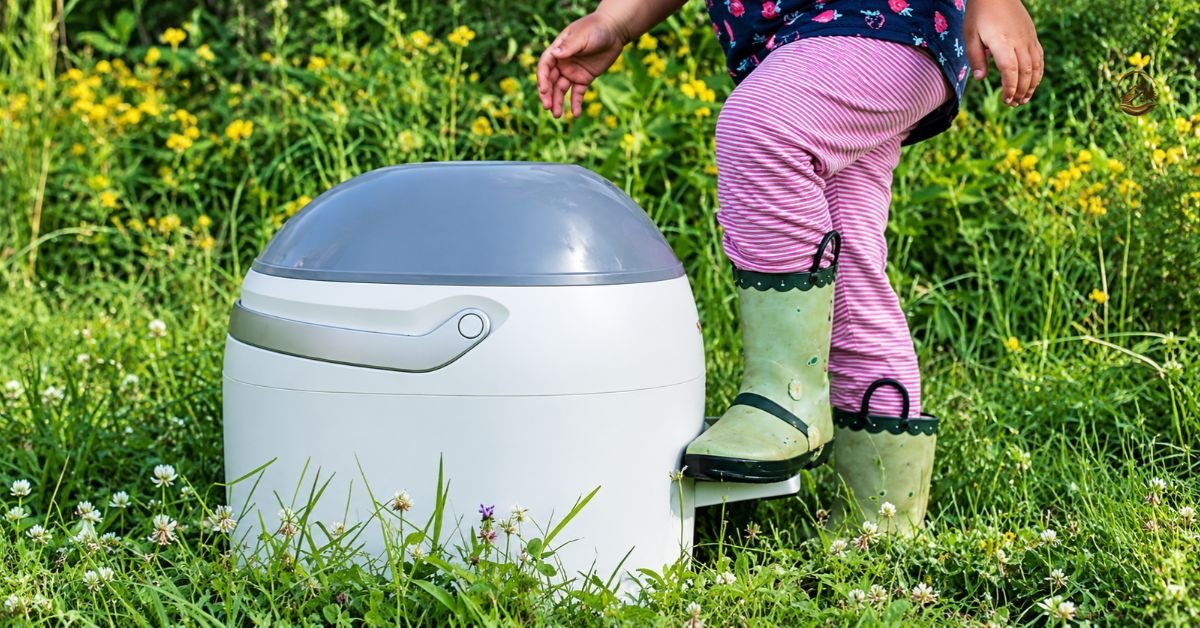
Living off the grid can give you more freedom, but laundry becomes a challenge when electricity isn’t available. Carrying water, scrubbing clothes by hand, and waiting for them to dry can take more time and effort than you might expect.
A pedal-powered washing machine offers a practical way to handle off-grid laundry without relying on grid electricity. In this guide, you’ll learn how these washers work, how to build a DIY version, which materials you need, and whether this simple laundry solution fits your lifestyle.
What Is a Pedal-Powered Washing Machine?
A pedal-powered washing machine cleans clothes using human energy instead of an electric motor. You pedal with your feet to drive a washing mechanism that moves clothes through water and detergent. This makes it a useful option for remote cabins, rural homes, and people interested in self-sufficient living.
Unlike a standard washer, a human-powered washer can operate without a grid connection or a dedicated power supply. Some designs use bicycle parts, while others use a pedal-driven laundry system connected to a drum or container. The exact design affects how much laundry you can wash and how much physical effort the process requires.
How Does a Pedal Washer Work?
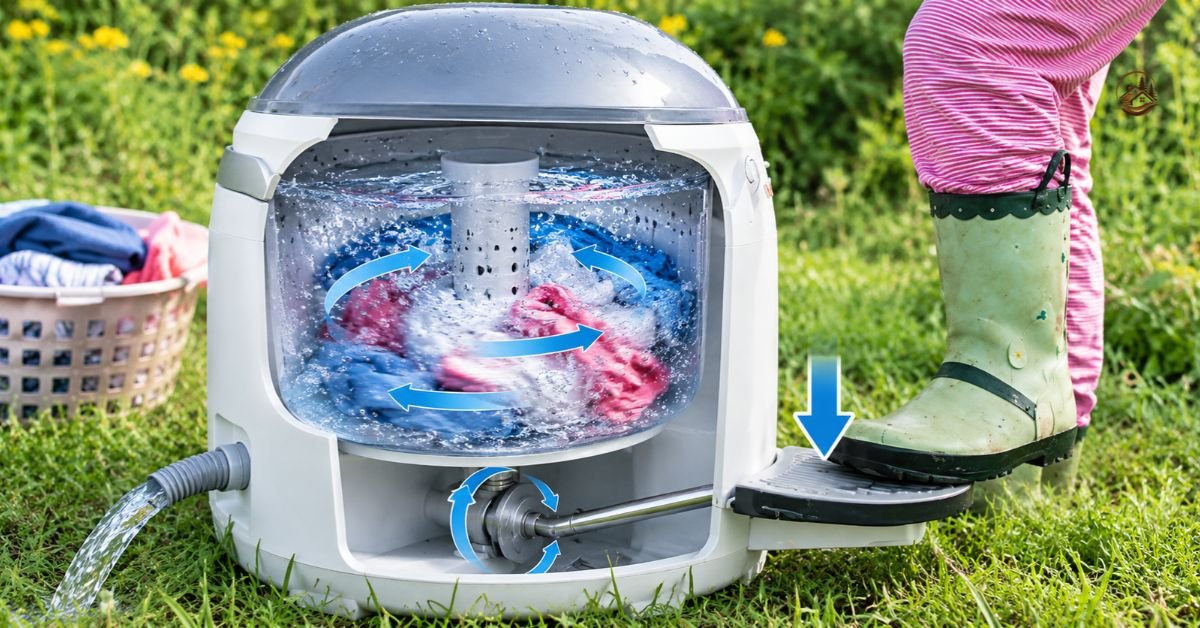
A bicycle-powered washer transfers energy from your legs to a mechanical system that moves the clothes. In a typical design, pedaling turns a chain, gear, or shaft connected to the washing drum. The movement agitates the water and helps loosen dirt from fabric.
You still need water, detergent, and a way to drain the dirty water. First, load the clothes and add water with a suitable amount of detergent. Then pedal for the required washing time, drain the soapy water, rinse with clean water, and remove the clothes. The process depends on the machine design, so follow its instructions and avoid overloading the drum.
Benefits of Pedal-Powered Laundry
One of the biggest benefits of a pedal washer is that it doesn’t need grid electricity to operate. This can be helpful in remote locations where power outages are common or connecting to the electrical grid is expensive. It also offers a simple alternative to electric appliances for people who want to reduce their dependence on powered equipment.
A pedal washer can support sustainable laundry solutions while giving you some physical activity during everyday chores. Depending on its design, it may also be portable enough to use in a cabin, camper, or small homestead. However, you’ll still need to supply water, manage wastewater, and put in physical effort, especially when washing heavy items like towels or bedding.
Must Read this Article: Click Here
How to Build a DIY Pedal Washer
Building a DIY pedal washer starts with choosing a design that suits your skills and laundry needs. A simple option uses a sturdy container, a pedal mechanism, and an internal agitator that moves clothes through water. Another approach adapts a bicycle to drive a washing drum, although this design requires more planning and mechanical work.
Before building, sketch the setup and decide how the pedals will transfer movement to the washing mechanism. Make sure the frame is stable, moving parts are guarded, and the container can hold water without tipping. Use materials that tolerate repeated contact with water and detergent, and test the mechanism without clothes first. If you’re adapting bicycle parts or adding a chain drive, make sure the assembly is secure before using it.
Materials for a Bicycle-Powered Washer
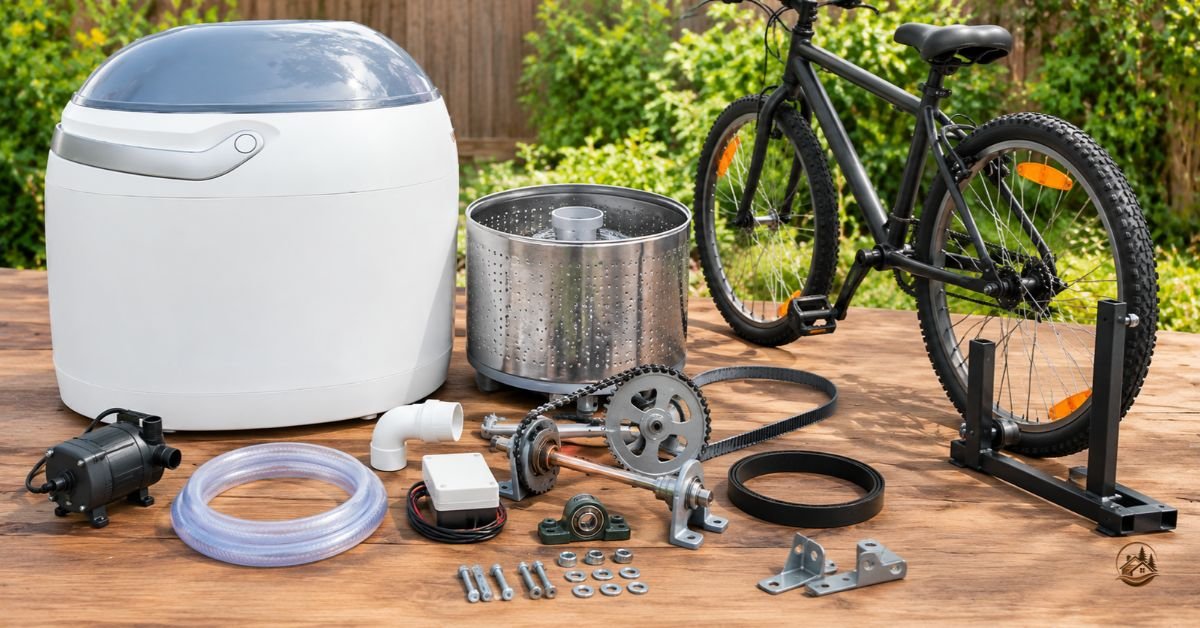
The materials depend on whether you’re building a basic manual washing machine or a bicycle-powered model. A simple design may need a durable plastic container, an agitator, a sturdy frame, and suitable fasteners. A bicycle-driven version may also require pedals, a chain, gears, a shaft, and a secure connection to the washing drum.
You’ll also need practical items such as a lid, a water outlet, and a container for collecting wastewater. Choose a drum that’s easy to load and clean, and avoid materials that can rust quickly or contaminate the water. Before buying parts, check that the drum, frame, and drive mechanism are compatible. A simpler design may be cheaper and easier to maintain than a complicated bicycle conversion.
Water and Energy Savings
A pedal-powered washer can eliminate the electricity needed to run a conventional electric washing motor. That makes it useful for off-grid homes where electricity is limited or generated through solar panels. However, pedaling still requires human energy, and the amount of physical effort depends on the load, mechanism, and washing method.
Water savings are not automatic. Laundry water consumption depends on the container size, how dirty the clothes are, and how many rinses you need. You may be able to reduce waste by measuring water carefully and washing similar items together. Use enough clean water to remove detergent properly, and dispose of wastewater according to local guidance rather than releasing it near drinking-water sources.
Pedal-Powered vs. Hand-Powered Washers
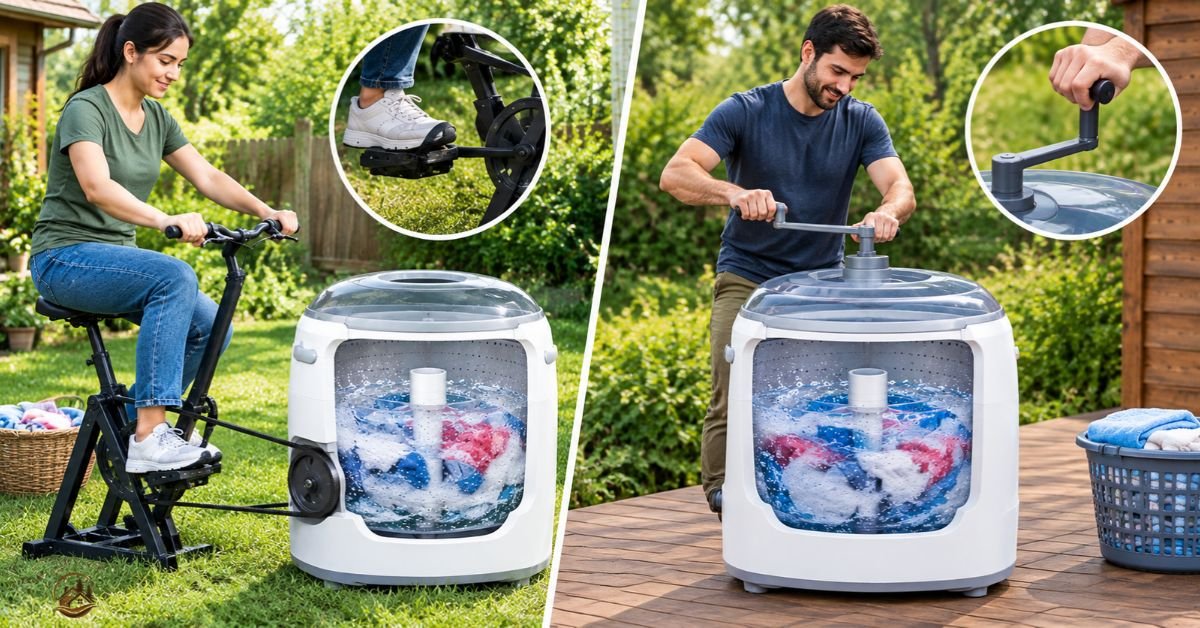
A pedal-powered washer lets you use your legs to operate the washing mechanism, which may feel easier than repeatedly turning a hand crank. A bicycle-style system can also provide a more continuous movement, depending on the design. This may be useful if you wash clothes regularly and have enough room for a stable frame.
A hand-operated washer is often simpler, smaller, and easier to store. It may suit occasional laundry or a compact cabin where space is limited. Both options avoid dependence on grid electricity, but neither guarantees better cleaning or lower water use. Consider your physical comfort, available space, maintenance needs, and typical laundry load before choosing between them.
| Feature | Pedal-Powered Washer | Hand-Powered Washer |
| How It Works | Uses foot pedals to rotate the washing drum. | Uses a hand crank to move the washing mechanism. |
| Physical Effort | Mainly uses leg muscles. | Requires continuous arm and hand movement. |
| Ease of Use | Can be more comfortable for longer washing sessions. | May cause arm fatigue during extended use. |
| Washing Speed | Depends on pedaling speed and design. | Depends on how quickly the handle is turned. |
| Design | Often uses pedals, belts, and rotating parts. | Usually uses a manual crank and gears. |
| Space Requirements | May need extra space for pedals or a bicycle setup. | Often has a more compact design. |
| Best For | Users who prefer foot-powered operation. | Users who want a simple, manually operated washer. |
| Main Advantage | Uses leg power and keeps hands free. | Simple operation with fewer external components. |
Washing Clothes Without Electricity
You don’t need an electric appliance to keep clothes clean when living off-grid. A pedal washer, hand-operated washer, or even a wash basin can help you manage laundry when power isn’t available. The best choice depends on the amount of clothing you wash and how much time you can spend on the task.
For better results, separate heavily soiled clothes from lightly worn items and follow the detergent’s instructions. Use manual washing and rinsing to remove dirt and soap, paying attention to areas such as collars and cuffs. Avoid using too much detergent because it can make rinsing harder. These alternative washing methods can be useful off-grid living essentials, especially in places where power access is unreliable.
About Off Grid Living: Click Here
How to Spin-Dry Clothes Faster
After washing and rinsing, removing excess water helps reduce drying time. Some pedal-powered designs include a separate spinning mechanism, but many DIY washers don’t. If your machine doesn’t support spinning, gently squeeze water from suitable fabrics without twisting delicate items too hard.
A clean, absorbent towel can help draw extra moisture from smaller garments. Then hang clothes on a sturdy clothes drying rack or an outdoor line where air can circulate freely. Good airflow and sunlight can speed up drying, although weather, humidity, and fabric thickness all affect the result. In damp conditions, leave enough space between garments and move them to a sheltered, ventilated area when necessary.
Is a Pedal Washer Worth It Off-Grid?
A pedal washer can be worth considering if you live in a remote cabin, want to reduce electricity consumption, or enjoy building practical equipment yourself. It provides a way to wash clothes without a grid connection and may be especially useful for small, regular loads. Its value depends on the design, available water, your physical ability, and the time you can dedicate to laundry.
However, it isn’t automatically the best choice for everyone. Large loads, thick bedding, and frequent washing may require more effort than expected. Before investing in portable laundry equipment or building a DIY system, compare its cost, capacity, maintenance requirements, and cleaning performance with other options. A simple setup that meets your actual needs is usually more useful than an elaborate design that’s difficult to maintain.
FAQs
1. Can a Pedal-Powered Washing Machine Work Without Electricity?
Yes. It uses human energy to operate the washing mechanism, so it doesn’t need grid electricity to wash clothes.
2. How Does a Bicycle-Powered Washer Clean Clothes?
Pedaling drives a mechanical system that moves clothes through water and detergent, helping loosen dirt from fabric.
3. What Materials Are Needed to Build a DIY Pedal Washer?
Common materials include a sturdy container, an agitator, a stable frame, fasteners, and suitable bicycle parts if the design uses a pedal drive.
4. Does a Pedal-Powered Washing Machine Save Water?
It can, but savings depend on the design and washing routine. Measuring water and avoiding unnecessary rinses can help reduce waste.
5. Is a Pedal-Powered Washing Machine Suitable for Everyday Off-Grid Laundry?
It can work for small, regular loads if you have enough water and don’t mind the physical effort. Large loads may be more demanding.
Conclusion
A pedal-powered washer offers a practical way to manage off-grid laundry without relying on grid electricity. With a suitable design, you can wash clothes using human energy, basic equipment, and a carefully managed water supply. It can be a useful addition to a remote cabin or self-sufficient homestead.
Before building one, consider your laundry needs, available space, budget, and physical comfort. Start with a simple, stable design and test its washing performance before relying on it for everyday use. The right setup can make laundry more manageable while supporting a more independent, low-impact lifestyle.

Welcome to BuildHypcabin! My name is Farhan, and I’m an SEO Expert with several years of experience in SEO, link building, and website growth. I’m passionate about helping websites improve their online visibility and reach the right audience.
At BuildHypCabin, I share informative and useful blogs on different topics to provide readers with practical and easy-to-understand information. For SEO-related questions, collaborations, or any other inquiries, feel free to contact me.