

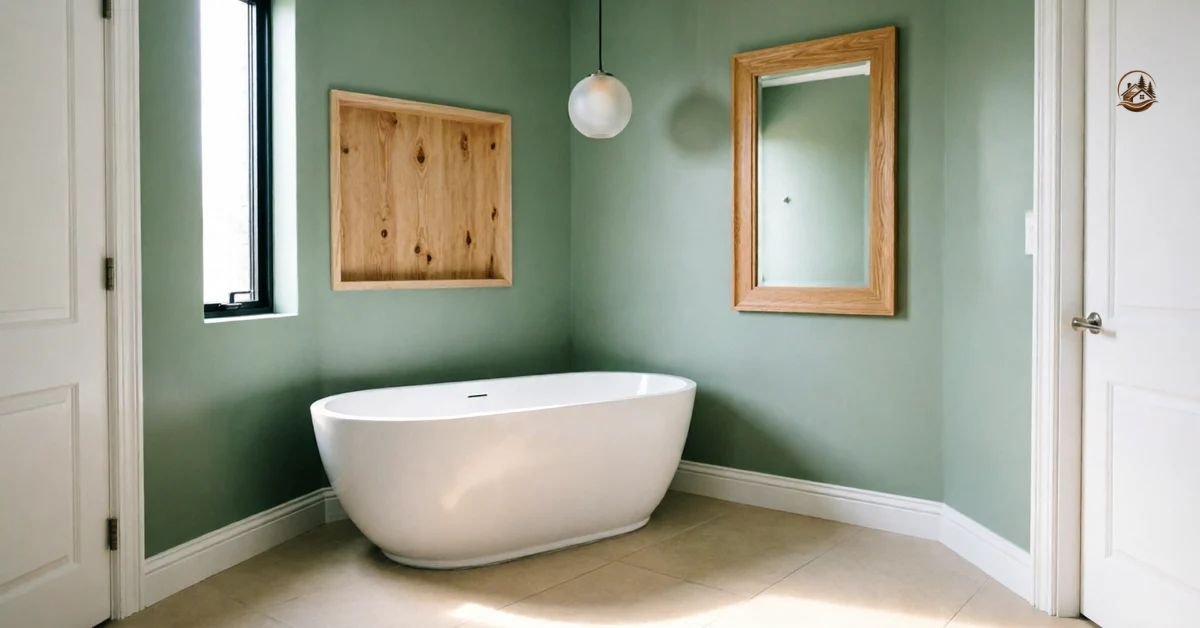
Choosing bathroom paint can be frustrating when the walls start peeling, stains appear, or moisture leaves the finish looking dull. You want a color that looks beautiful, but you also need paint that can handle daily showers, steam, and frequent cleaning. The wrong choice may mean repainting much sooner than you expected.
Finding the Best Paint for a Bathroom starts with understanding your room’s conditions and choosing products that suit its needs. This guide explains paint formulas, finishes, mildew resistance, surface preparation, and drying time. You’ll also learn how lighting and room size can help you choose a color that looks good and lasts.
Start With the Bathroom’s Conditions
Bathrooms face different challenges depending on their size, ventilation, and how often people use them. A family bathroom with daily showers usually experiences more steam and condensation than a small guest bathroom. Before choosing bathroom wall paint, consider where moisture collects, whether the exhaust fan works properly, and how quickly the room dries after use. These details help you choose a suitable formula instead of relying on color alone.
A high-humidity environment can weaken paint over time, especially when moisture buildup continues for hours. You might notice peeling paint, bubbling, or discoloration around the shower, ceiling, and corners. Good bathroom ventilation helps remove damp air and supports a longer-lasting finish. If your bathroom has poor airflow, address that issue alongside your paint choice rather than expecting paint alone to solve the problem.
Review this Article: Click Here
Choose A Durable Paint Formula
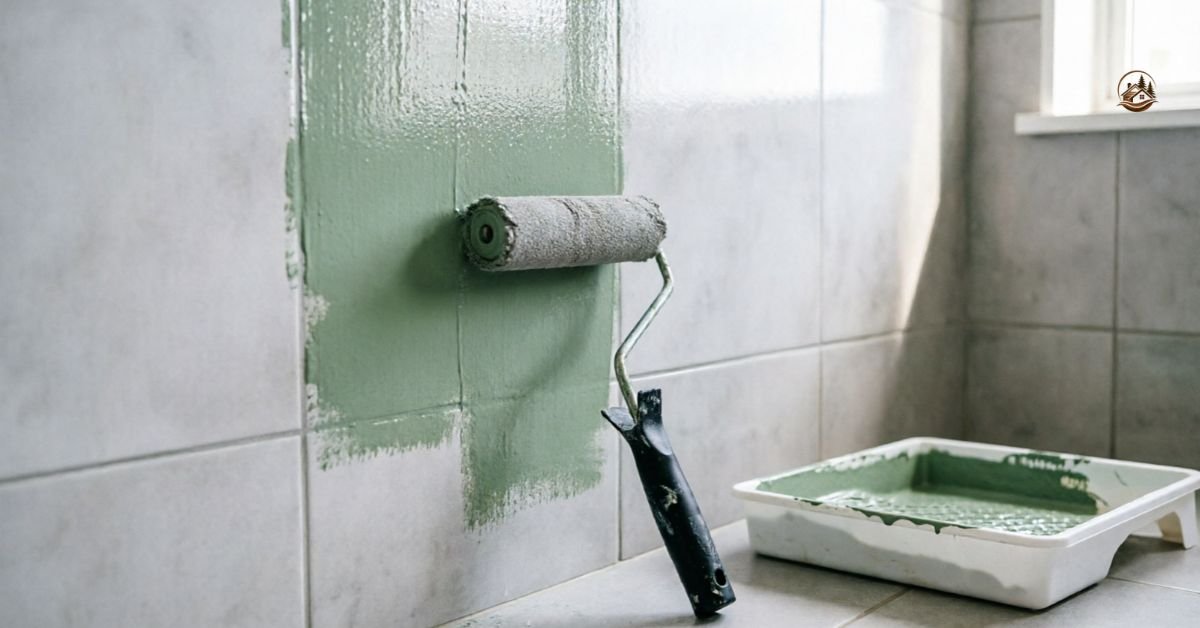
The paint formula affects how well your walls handle humidity, cleaning, and everyday wear. For many bathrooms, a quality water-based acrylic latex paint designed for interior walls is a practical choice. It generally offers easy cleanup, good adhesion, and a durable finish when applied correctly. Look for products specifically recommended by the manufacturer for bathrooms or other moisture-prone spaces.
Not every durable interior paint is suitable for every bathroom surface. Check the product label for moisture resistance, washability, and compatibility with the wall material. A dedicated bathroom paint may offer additional features that help resist mildew, but proper ventilation and maintenance still matter. When comparing products, consider the expected bathroom paint durability, the condition of your walls, and the cleaning routine your household follows.
Select The Right Sheen
Paint sheen describes how much light a painted surface reflects. It also affects how easily you can clean the walls and how visible surface imperfections may become. Satin and semi-gloss finishes are popular bathroom options because they generally provide a washable surface that stands up to routine cleaning. The best bathroom paint finish depends on the wall condition, the product formulation, and how much moisture the area receives.
A satin finish offers a soft glow without looking overly shiny, making it suitable for many bathroom walls. Semi-gloss bathroom paint reflects more light and is often easier to wipe clean, although it can highlight dents and uneven patches. An eggshell paint finish has less shine, but its moisture and cleaning performance varies by product. Compare the manufacturer’s recommendations before deciding which bathroom paint sheen works best for your space.
Look For Mildew Resistance
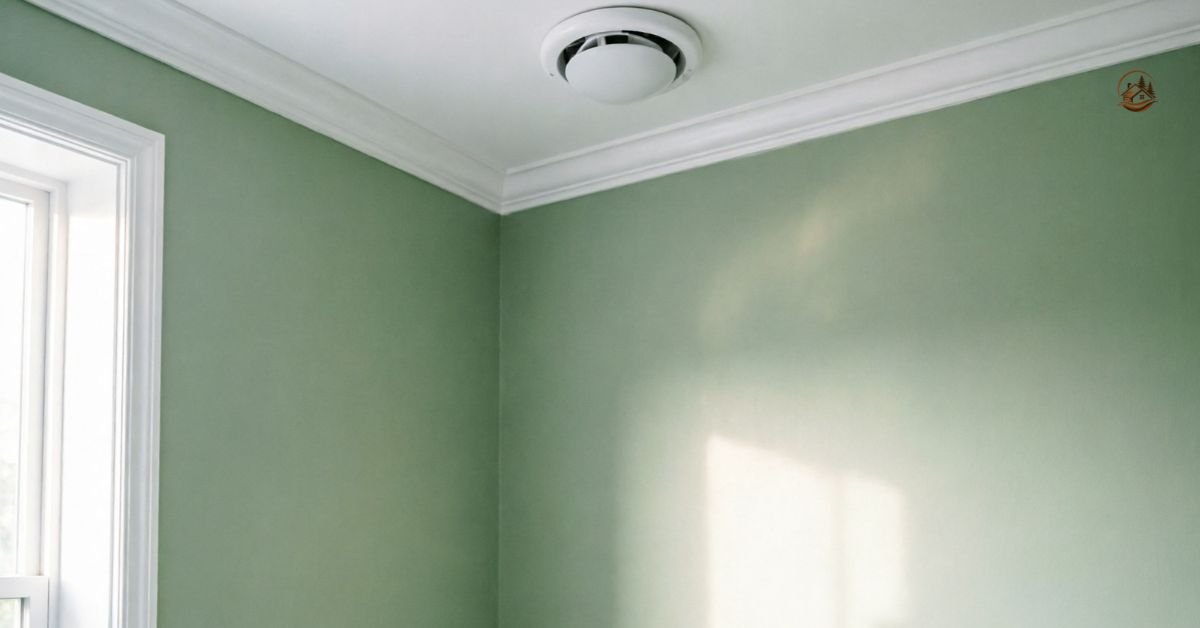
Warm, damp bathrooms can encourage mildew growth, particularly around ceilings, shower areas, and poorly ventilated corners. Mildew-resistant paint can help protect the painted surface when moisture is present, making it a useful feature to look for. Check the label for specific mildew-resistance claims rather than assuming every bathroom paint provides the same protection. Some products contain ingredients designed to resist mildew on the paint film.
However, mildew-resistant paint cannot fix an existing moisture problem or guarantee that mold will never develop. Clean affected areas safely before painting, and investigate leaks or persistent dampness. A working exhaust fan, regular cleaning, and proper ventilation support mildew prevention over time. If mold keeps returning or covers a large area, identify and address the underlying cause instead of simply applying another coat of paint.
Prepare The Surface Before Painting
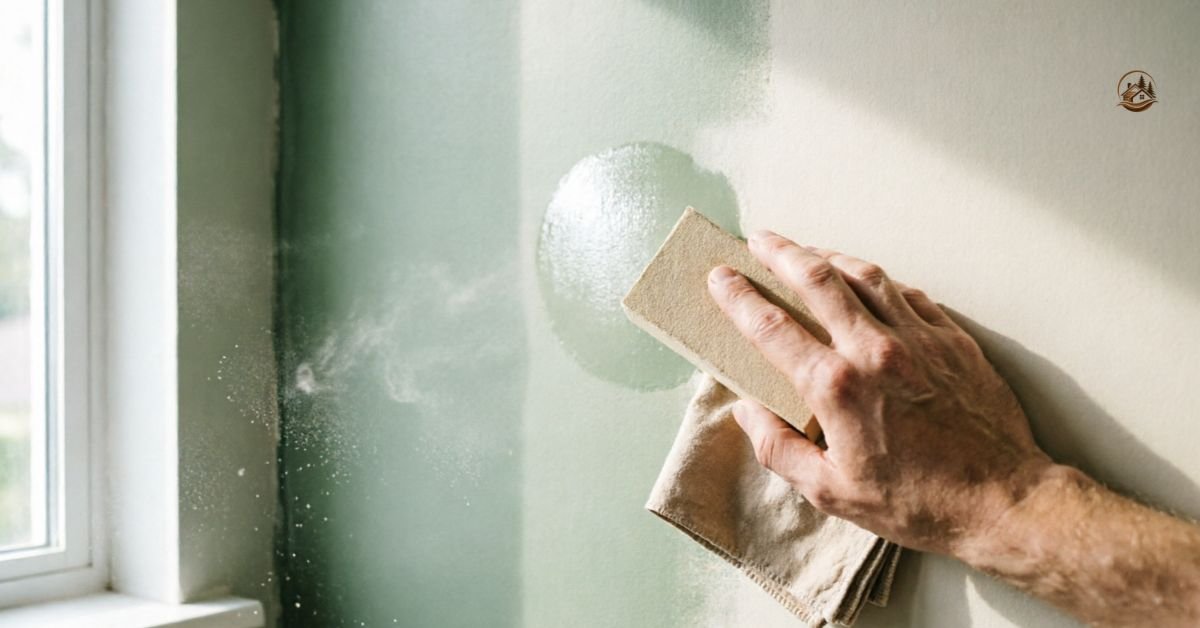
Good surface preparation helps paint adhere evenly and reduces the chance of peeling or bubbling later. Start by removing dust, soap residue, and grease with a suitable cleaner, then allow the walls to dry completely. Scrape away loose paint and repair damaged areas before sanding rough patches as appropriate for the surface. Careful bathroom wall preparation creates a smoother foundation and helps the new finish look more professional.
If the wall has stains, bare patches, or a surface that needs sealing, you may need a compatible primer for bathroom walls. Choose one that suits the existing material and the paint you plan to use. Follow the label instructions, and make sure the surface is clean and dry before applying either product. Strong paint adhesion depends on both the condition of the wall and following the correct application process.
Respect Drying And Curing Time
Paint drying time and curing time are not the same. Paint may feel dry to the touch within a few hours, yet it can take longer to reach its full hardness and durability. The exact timing depends on the formula, temperature, humidity, ventilation, and number of coats. Always read the manufacturer instructions instead of assuming every product dries at the same rate.
Using the shower too soon can expose fresh paint to steam and condensation before it has developed enough resistance. Keep the bathroom ventilated and avoid unnecessary moisture while the paint dries and cures. Follow the recommended interval between coats, as well as the instructions for returning the room to normal use. Giving the paint enough time to cure helps support a long-lasting paint finish and reduces the risk of early damage.
Match Color To Light And Room Size
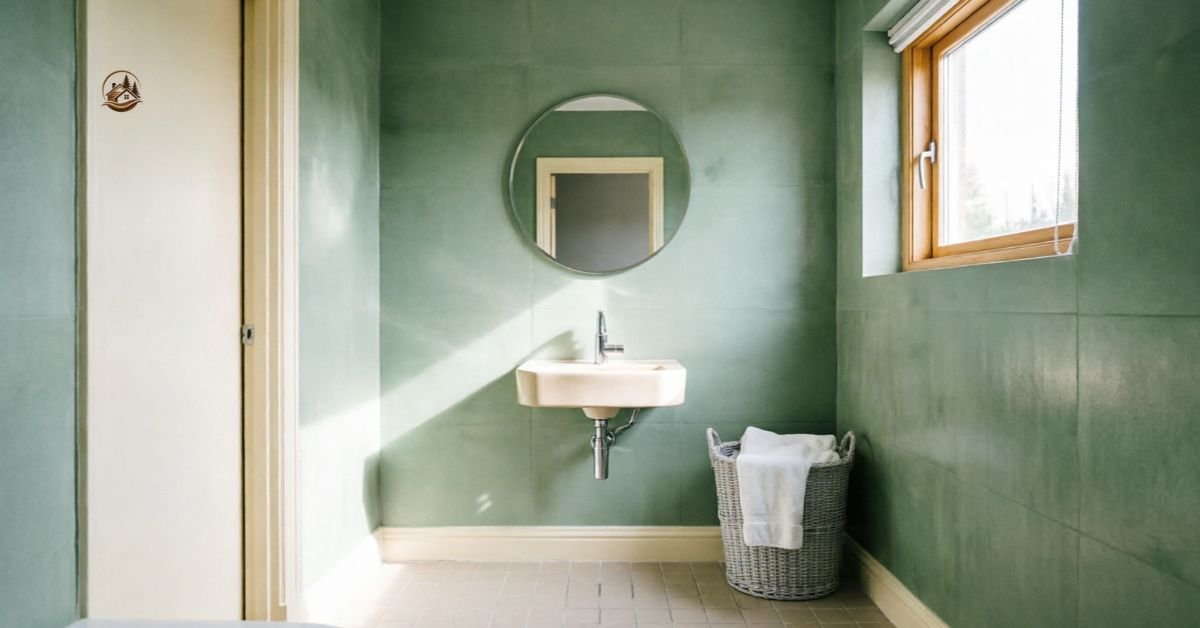
Bathroom paint colors can look different depending on the amount of natural light, the type of bulbs, and the direction your room faces. White, soft beige, pale gray, and muted green can help a small bathroom feel brighter, especially when paired with suitable lighting. However, lighter shades do not automatically make every room look larger. Test sample colors on the wall and observe them at different times of day before making your final choice.
Bathroom lighting also affects how undertones appear. A warm bulb may make a gray shade look beige, while cooler lighting can make some whites appear sharper or bluer. Think about your tiles, vanity, flooring, and fixtures so the paint color works with the rest of the room. By considering light reflection and the overall design, you can choose a color that feels comfortable without sacrificing practical performance.
FAQs
What type of paint is best for a bathroom?
Water-based acrylic latex paint designed for bathrooms is a practical choice because it offers good durability and easy cleaning.
Is satin or semi-gloss paint better for bathroom walls?
Satin provides a soft finish, while semi-gloss is shinier and generally easier to clean.
Do bathrooms need mold-resistant paint?
Mold-resistant paint helps resist mildew growth, but proper ventilation and moisture control are still essential.
Can you use regular interior paint in a bathroom?
Yes, if the product is suitable for bathroom conditions; moisture-resistant formulas usually offer better protection.
How long should bathroom paint dry before using the shower?
Follow the manufacturer’s instructions, as paint may need several days to cure fully before exposure to shower moisture.
Conclusion
Choosing the right bathroom paint involves more than picking an attractive color. Consider your bathroom’s humidity, select a durable formula, choose an appropriate sheen, and look for mildew resistance where needed. Careful surface preparation and enough drying and curing time also help the finish last longer.
Before starting your project, read the product label and assess your bathroom’s ventilation and lighting. These simple steps can help you avoid common painting problems and create a clean, attractive space that stands up better to everyday use.

Welcome to BuildHypcabin! My name is Farhan, and I’m an SEO Expert with several years of experience in SEO, link building, and website growth. I’m passionate about helping websites improve their online visibility and reach the right audience.
At BuildHypCabin, I share informative and useful blogs on different topics to provide readers with practical and easy-to-understand information. For SEO-related questions, collaborations, or any other inquiries, feel free to contact me.
1 thought on “How to Choose the Best Paint for a Bathroom That Will Truly Last”