

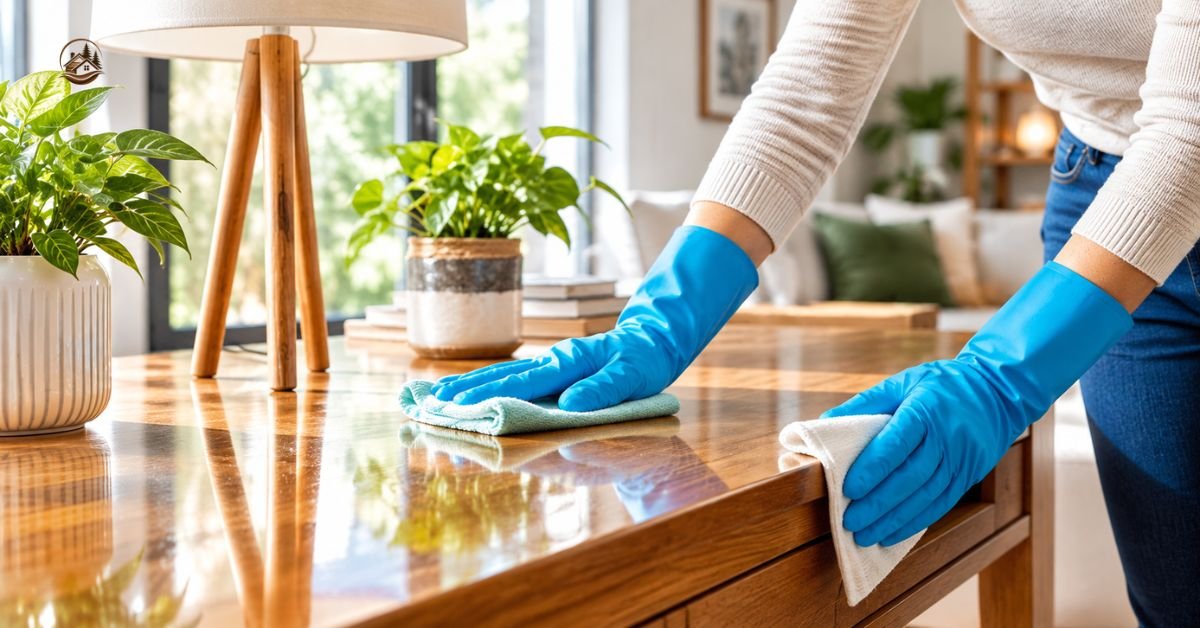
Wood furniture adds warmth, character, and timeless beauty to any home. But over time, dust, fingerprints, spills, and everyday use can make even beautiful pieces look dull. Regular cleaning doesn’t just improve their appearance; it also helps protect the wood and preserve its finish.
The good news is that Clean Wood Furniture doesn’t require complicated products or hours of work. With the right supplies and a gentle approach, you can remove dirt, handle common stains, and maintain a smooth, attractive surface without damaging the wood.
Why Wood Furniture Needs Cleaning
Wood furniture collects dust and dirt buildup every day, especially on tables, cabinets, shelves, and frequently used surfaces. If you leave that buildup for too long, it can make the wood look dull and may contribute to scratches when you wipe the surface later. Regular wood furniture cleaning keeps these surfaces fresh while supporting proper furniture maintenance.
Cleaning also helps protect wooden furniture from moisture, spills, and other everyday problems. A simple routine can prevent damage and help maintain wood quality for years. You don’t need to deep-clean every piece constantly; removing dust regularly and dealing with spills quickly can make a noticeable difference.
Understanding Different Wood Furniture Finishes
Before cleaning, check what type of finish your furniture has. Finished wood may have a varnished, lacquer, polyurethane, oil, or wax finish, while some pieces feature painted wood or a polished surface. Each protective coating reacts differently to moisture and cleaning products, so knowing the finish helps you choose a safer method.
Unfinished wood needs extra care because it doesn’t have the same protective barrier as finished furniture. The wood grain can absorb moisture and stains more easily. If you’re unsure about the finish, test any cleaner on a small hidden area first rather than applying it across the entire piece.
Must Read this: Click Here
Essential Supplies for Safe Cleaning
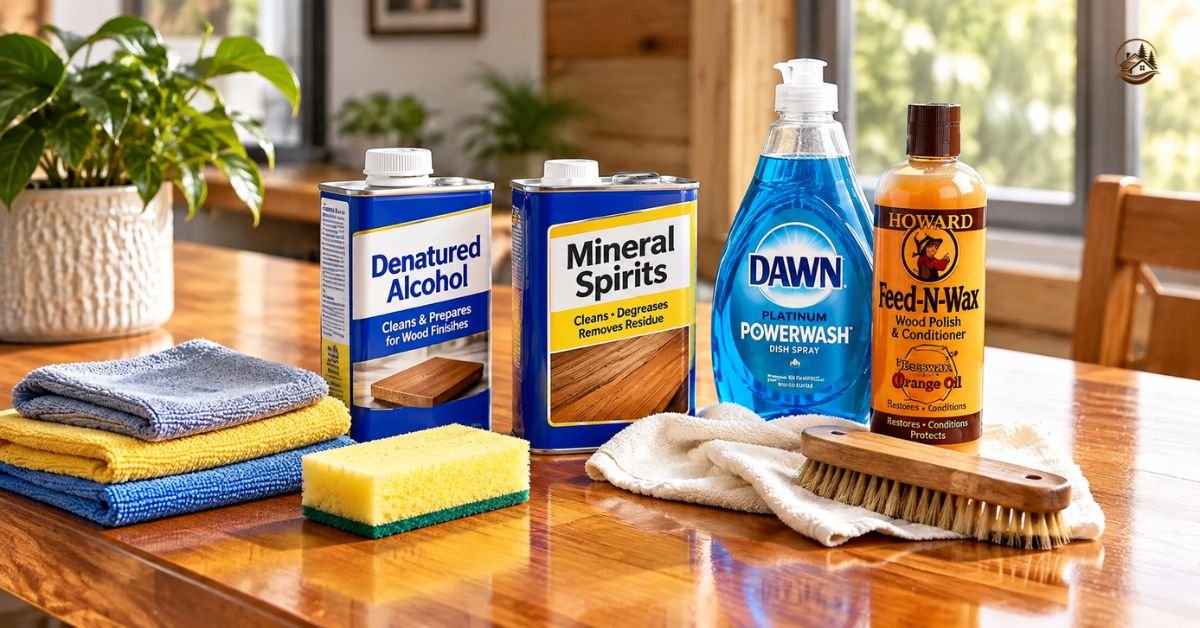
You don’t need a cabinet full of products to care for wooden furniture. A microfiber cloth or soft cloth, warm water, mild dish soap, and a clean towel are usually enough for basic cleaning. A soft-bristled brush can help with small grooves, while a spray bottle can be useful when you need to lightly dampen a cloth.
Choose gentle cleaners and non-abrasive cleaning products whenever possible. Avoid anything that can scratch the surface or strip away its protective finish. Furniture polish can also be useful for certain finishes, but always check that the product is suitable for your furniture before using it.
| Cleaning Supply | Main Purpose |
| Microfiber cloth | Removes dust without scratching |
| Warm water | Helps with light surface dirt |
| Mild dish soap | Cuts through everyday grime |
| Soft-bristled brush | Cleans grooves and detailed areas |
| Clean towel | Dries the surface after cleaning |
| Furniture polish | Adds shine when suitable for the finish |
Steps to Clean Wood Furniture
Start by removing dust from the surface with a dry microfiber cloth. Then lightly dampen the cloth with water and wipe wooden furniture in small sections. If the surface needs more cleaning, add a small amount of mild soap to the water rather than soaking the furniture. Avoid excess water because moisture can seep into joints or unfinished areas.
After you remove dirt, wipe away any remaining cleaner with a clean, slightly damp cloth. Dry the furniture thoroughly with a soft towel and let the surface air-dry if needed. Once completely dry, you can gently buff the surface to bring back some of its natural appearance without using aggressive polishing techniques.
For a simple cleaning routine, follow these steps:
- Remove loose dust with a dry microfiber cloth.
- Use a lightly damp cloth for surface dirt.
- Add mild soap only when extra cleaning is needed.
- Wipe in small sections instead of soaking the furniture.
- Dry the surface thoroughly after cleaning.
- Gently buff the wood once it is completely dry.
Natural Ways to Clean Wood
A natural wood cleaner can be a good choice when you want a simple cleaning routine. Some homemade wood cleaner recipes use ingredients such as diluted vinegar solution, olive oil, or lemon juice. However, natural doesn’t automatically mean safe for every finish, so always consider the type and condition of the wood before trying a DIY furniture cleaner.
For regular maintenance, plain warm water and a soft cloth are often enough for light dust and everyday marks. If you prefer eco-friendly cleaning, focus on gentle cleaning methods and avoid unnecessarily strong chemicals. Always test a natural cleaning solution in an inconspicuous spot before using it on the entire surface.
Removing Stains From Wood Furniture
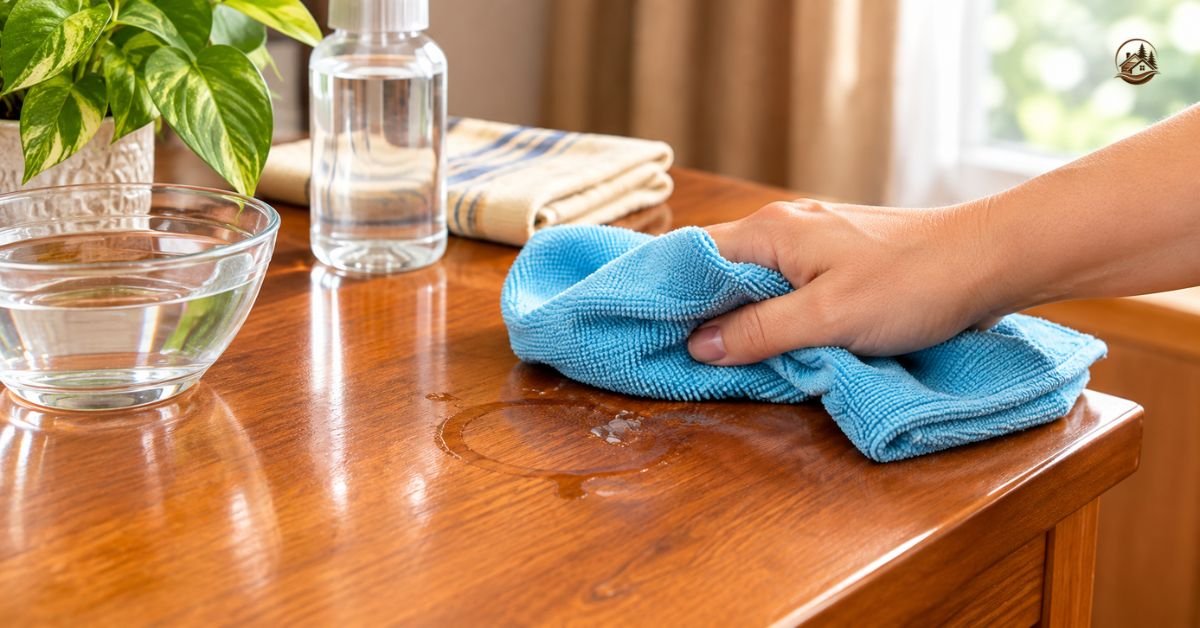
Different stains require different approaches. Water stains, coffee stains, grease stains, ink stains, and sticky residue shouldn’t all be treated the same way. For a fresh spill, gently blot it instead of rubbing, then clean the area with a suitable solution for the furniture’s finish.
Stubborn stains may need more careful stain removal, especially when they have already penetrated the surface. Dark marks and surface stains can sometimes be improved with finish-safe cleaning methods, but aggressive scrubbing can make things worse. When attempting wood stain treatment, start with the mildest method and increase the intensity only when necessary.
Mistakes That Damage Wood Furniture
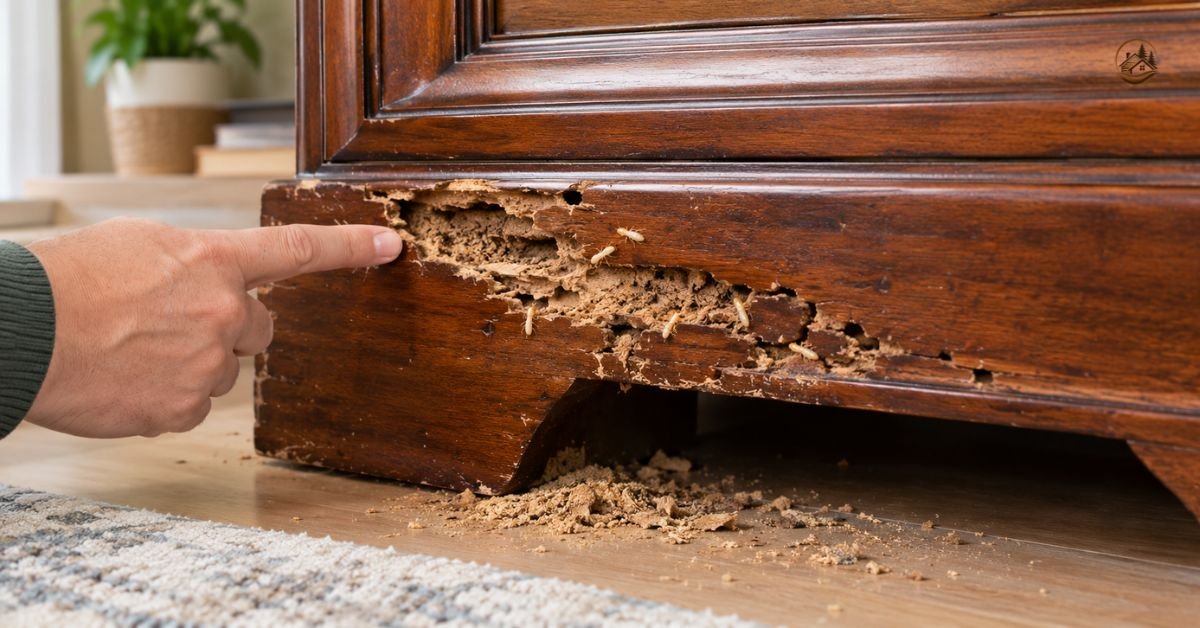
One of the biggest mistakes is using excessive water or soaking the furniture during cleaning. Moisture damage can cause problems with some wood surfaces and may affect joints or finishes. Harsh chemicals, abrasive cleaners, and rough scrubbing can also leave scratches or weaken a damaged finish over time.
Where you place furniture matters, too. Direct sunlight and excessive heat can affect the appearance of certain finishes and may contribute to fading or drying. Using the wrong cleaner is another common problem, so always choose products designed for the type of wood and finish you’re cleaning.
Tips for a Lasting Shine
To maintain a natural shine, dust regularly and clean small spills as soon as possible. Once the surface is clean and completely dry, gentle buffing with a soft cloth can improve its appearance. If the finish allows it, an appropriate furniture polish may add extra protection and enhance the wood grain.
Don’t confuse a shiny surface with a well-maintained one. Applying too much polish can leave buildup that attracts dust and makes furniture look cloudy. For better results, use a small amount of a suitable product and follow the manufacturer’s instructions rather than repeatedly layering polish.
Choosing the Right Wood Cleaner
The best wood cleaner is one that works with your furniture’s specific finish rather than simply the strongest product available. Look for a wood-safe cleaner, gentle wood cleaner, or pH-neutral cleaner when appropriate. If you prefer commercial wood cleaner, check the label for information about finished wood and the types of surfaces it supports.
A finish-safe cleaner should clean without removing the protective layer. You may also find non-toxic wood cleaner options if that matters to your household. Before purchasing any cleaning product for furniture, read its instructions and make sure it is suitable for your surface.
Maintaining Beautiful Wood Furniture Daily
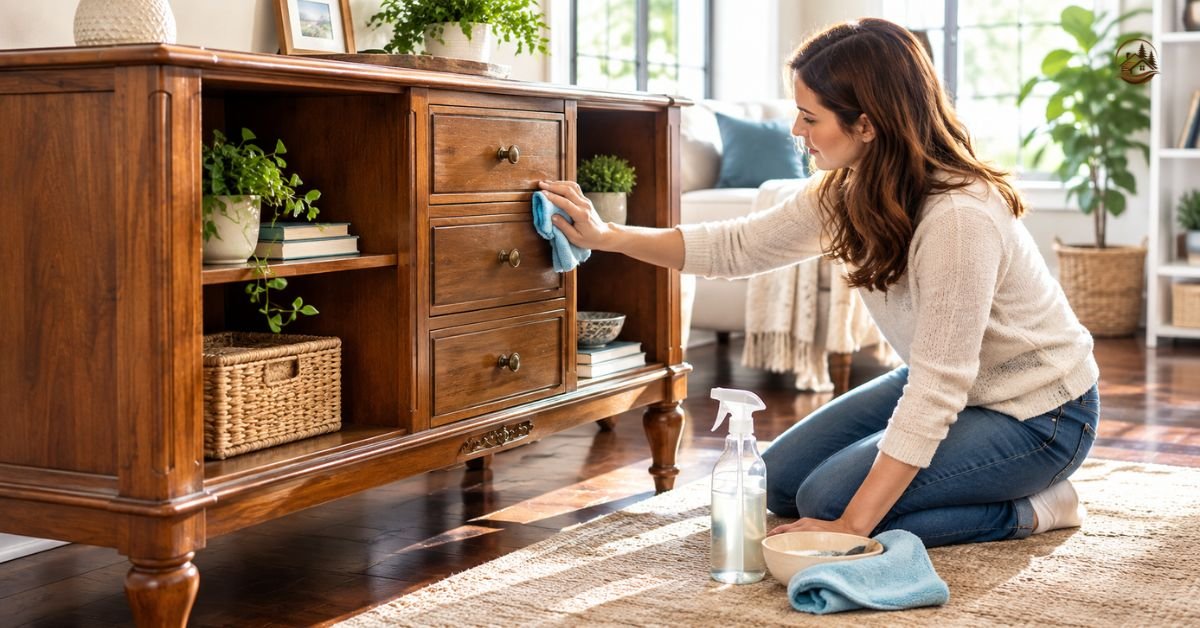
Daily furniture care doesn’t have to take much time. Regular dusting with a soft cloth can stop dirt from building up, while using coasters and mats can help prevent stains and moisture marks. Keep sharp or rough objects away from delicate surfaces to reduce the risk of scratching wood surfaces.
For long-lasting furniture, combine quick daily habits with occasional deeper cleaning. Wipe spills promptly, avoid placing hot items directly on the surface, and keep furniture away from excessive sunlight when possible. With consistent furniture upkeep, you can preserve the wood finish and keep furniture looking new for much longer.
FAQs
How often should wood furniture be cleaned?
Dust wood furniture regularly and perform a deeper clean whenever the surface looks dirty or feels sticky. High-use pieces may need more frequent attention.
What is the safest way to clean wooden furniture?
Use a soft microfiber cloth with a small amount of water and a suitable gentle cleaner when necessary. Avoid soaking the surface or using abrasive products.
Can vinegar be used to clean wood furniture?
A diluted vinegar solution may work for some finished surfaces, but it isn’t suitable for every type of wood or finish. Always test it in a hidden area first.
How do you remove water stains from wood?
Start with the gentlest suitable method and avoid aggressive scrubbing. If the stain has affected the finish itself, professional refinishing may be a better option.
How can you keep wood furniture shiny?
Regular dusting, gentle cleaning, proper drying, and occasional finish-appropriate polishing can help maintain a clean and attractive surface.
Conclusion
Well-maintained wood furniture can stay beautiful for many years with surprisingly little effort. The key is to clean gently, use products that match the finish, deal with spills quickly, and avoid common mistakes such as excessive water or harsh chemicals.
A consistent routine is more valuable than aggressive cleaning. With regular dusting, careful stain treatment, and proper furniture care, you can protect the wood surface, preserve its finish, and enjoy a natural shine for years to come.

Welcome to BuildHypcabin! My name is Farhan, and I’m an SEO Expert with several years of experience in SEO, link building, and website growth. I’m passionate about helping websites improve their online visibility and reach the right audience.
At BuildHypCabin, I share informative and useful blogs on different topics to provide readers with practical and easy-to-understand information. For SEO-related questions, collaborations, or any other inquiries, feel free to contact me.
2 thoughts on “Best Methods to Clean Wood Furniture for a Long-Lasting Shine”