

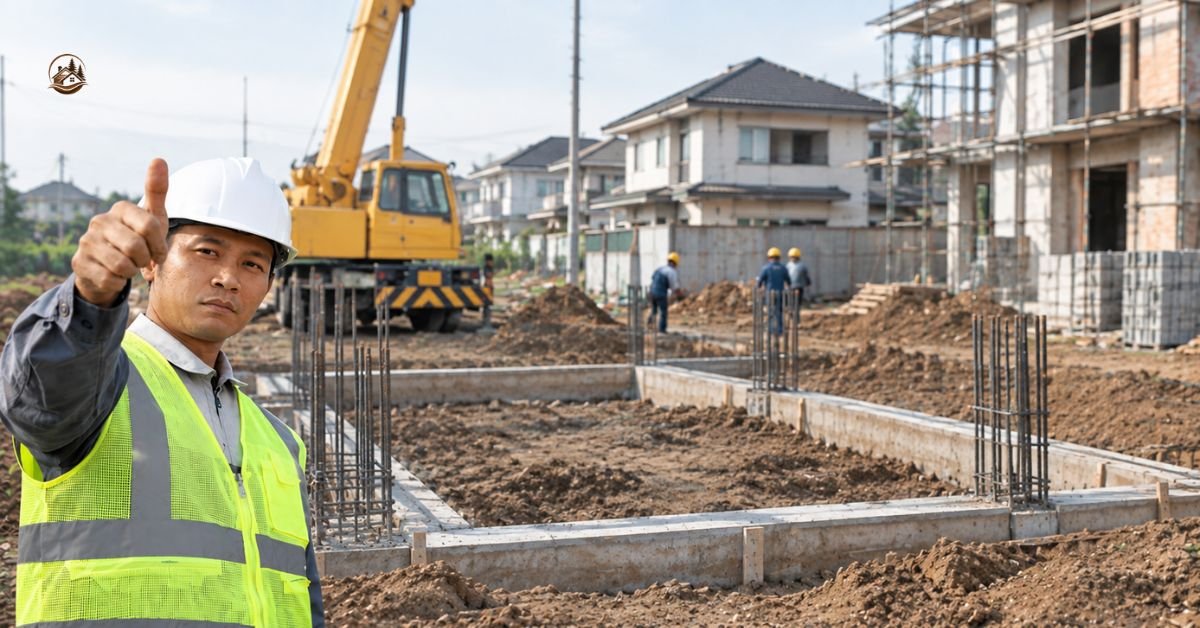
When planning a new home, most people focus on the design, layout, and construction materials. However, the foundation is what truly determines the strength and stability of the entire structure. A well-built foundation supports the building load, prevents structural issues, and helps your home withstand changing environmental conditions over time.
Choosing among the best foundation types for Residential Buildings isn’t always straightforward. Soil type, climate conditions, budget, and local building regulations all play a role in determining the right option. In this guide, you’ll learn about the most common house foundation types, their advantages and disadvantages, and how to select the best solution for your residential construction project.
What Is a Residential Building Foundation?
A residential building foundation is the structural base that transfers the weight of a home to the ground. It acts as the primary building support system and ensures that the structure remains level and secure throughout its lifespan. Without a properly designed foundation, even a well-built house can develop cracks, settling issues, and stability problems.
Foundation construction involves site preparation, excavation, and the installation of a load-bearing foundation designed to handle the building load. The right foundation design depends on factors such as soil bearing capacity, moisture levels, and the intended use of the property. Every successful home construction foundation begins with careful planning and engineering.
Must Read this: Click Here
Why a Strong Foundation Is Important for a Home
A strong house foundation does much more than hold a building in place. It protects the structure from ground movement, moisture intrusion, and foundation settlement. When a foundation performs well, it helps maintain structural integrity and reduces the likelihood of expensive repairs in the future.
Additionally, a durable home foundation contributes to home stability and property value. Buyers often pay close attention to foundation performance during inspections because foundation problems can affect the entire building structure. Investing in quality foundation materials from the beginning can save significant money over time.
- Provides stability to the home.
- Prevents settlement and structural damage.
- Protects against moisture and ground movement.
- Reduces repair costs over time.
- Helps maintain property value.
Slab Foundation: Features, Pros and Cons
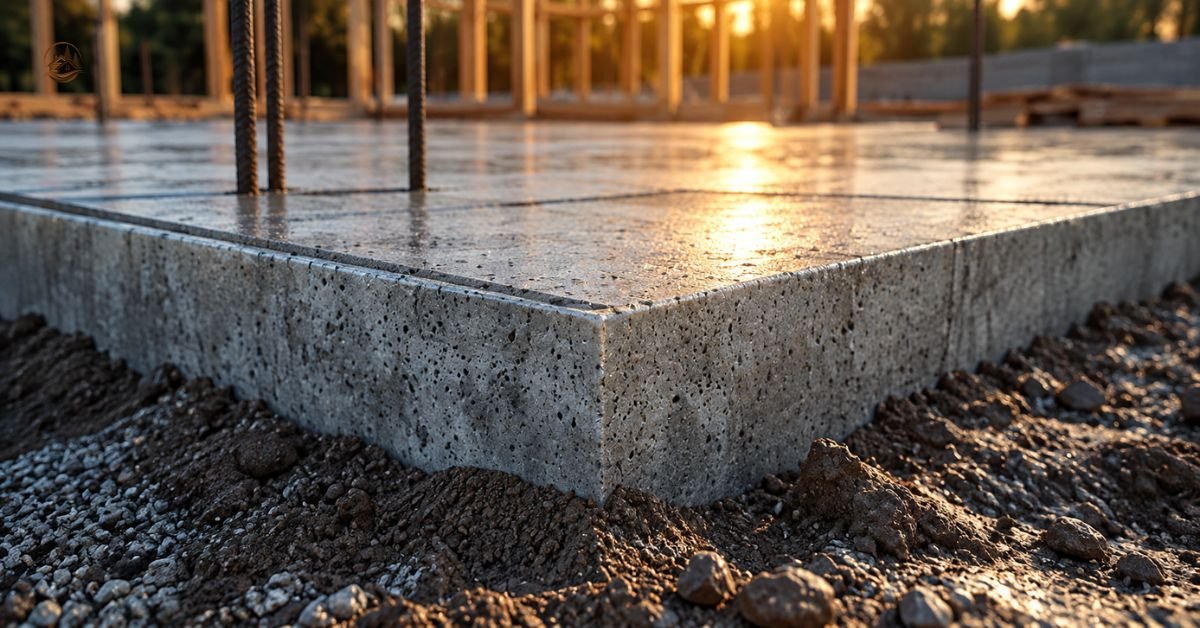
A concrete slab foundation is one of the most popular home foundation options in modern residential construction. Also known as a slab-on-grade foundation, it consists of a thick layer of reinforced concrete poured directly onto the ground. This design typically includes a concrete footing around the perimeter to provide additional structural support.
One major advantage of a slab foundation is its affordability. Foundation installation is usually faster and requires less excavation than other modern foundation systems. However, repairs can become challenging if plumbing or utility lines beneath the slab need attention. Moisture protection and proper drainage systems are also essential to prevent future issues.
Crawl Space Foundation: Benefits and Drawbacks
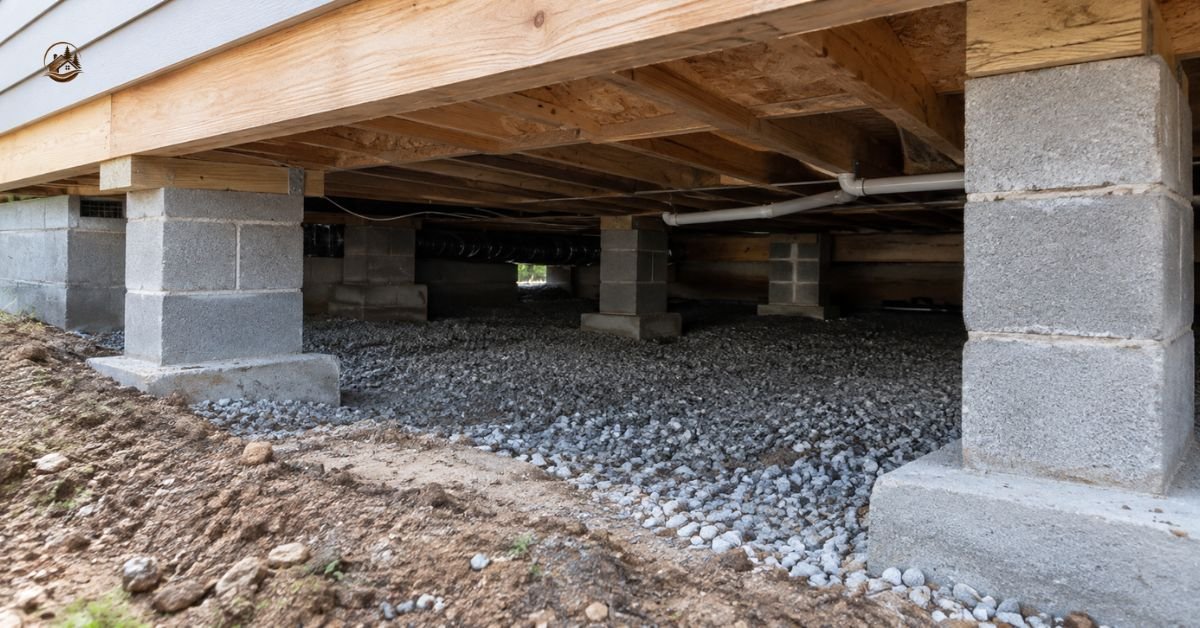
A crawl space foundation elevates the home slightly above the ground, creating a raised foundation with accessible space underneath. This design allows easier access to plumbing, electrical systems, and HVAC components, making foundation maintenance and repairs more convenient.
Despite these benefits, crawl space foundations require proper ventilation and moisture control. Without adequate water damage prevention measures, mold and wood deterioration may occur. In regions with high humidity, homeowners should pay special attention to drainage systems and regular foundation inspections to maintain long-term durability.
Basement Foundation: Is It Worth the Investment?
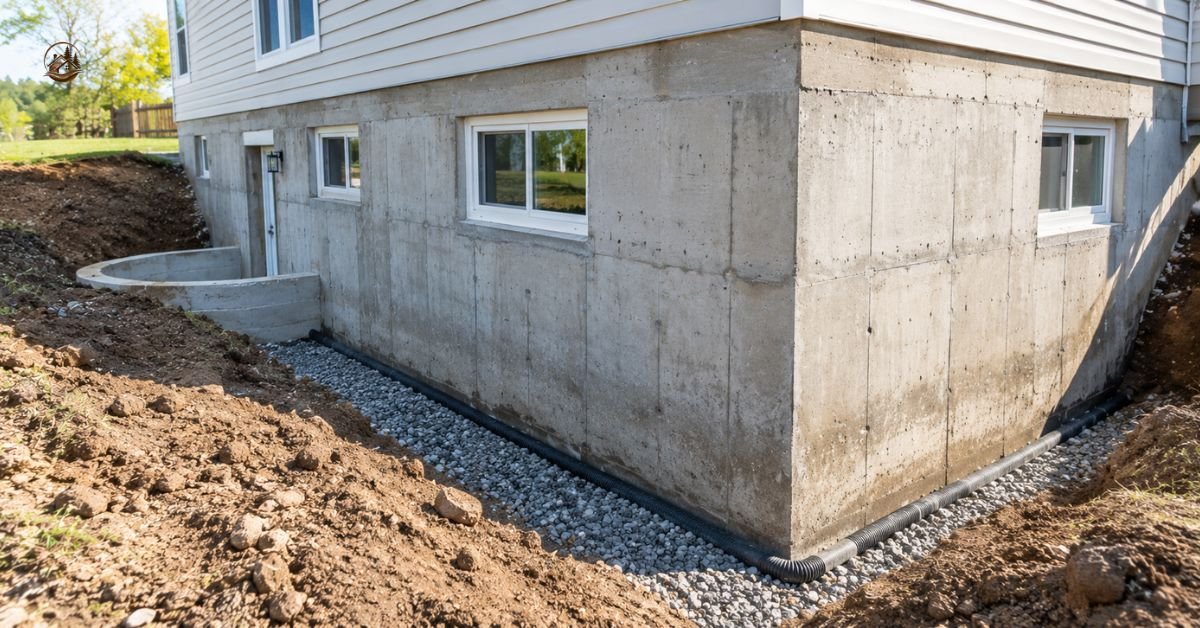
A basement foundation creates additional living or storage space beneath a home. Options such as a full basement or walkout basement provide flexibility for homeowners who need extra room. In colder climates, basement foundations are often a practical choice because the foundation depth typically extends below the frost line.
The primary drawback is cost. Basement foundation construction requires extensive excavation processes, retaining walls, and additional foundation engineering. While the upfront investment is higher, many homeowners consider it worthwhile because it increases usable space and can improve property value over time.
Pier and Beam Foundation: When to Choose It
A pier and beam foundation uses a network of piers and beams to support the building structure above the ground. This foundation type works particularly well in areas with uneven terrain or expansive soils. Because the home is elevated, accessing utility systems becomes much easier.
However, pier and beam foundations may require periodic foundation repair and maintenance. Over time, shifting soil conditions for foundations can affect alignment and support. Regular inspections help identify small issues before they become major structural concerns.
Pile Foundation for Challenging Soil Conditions
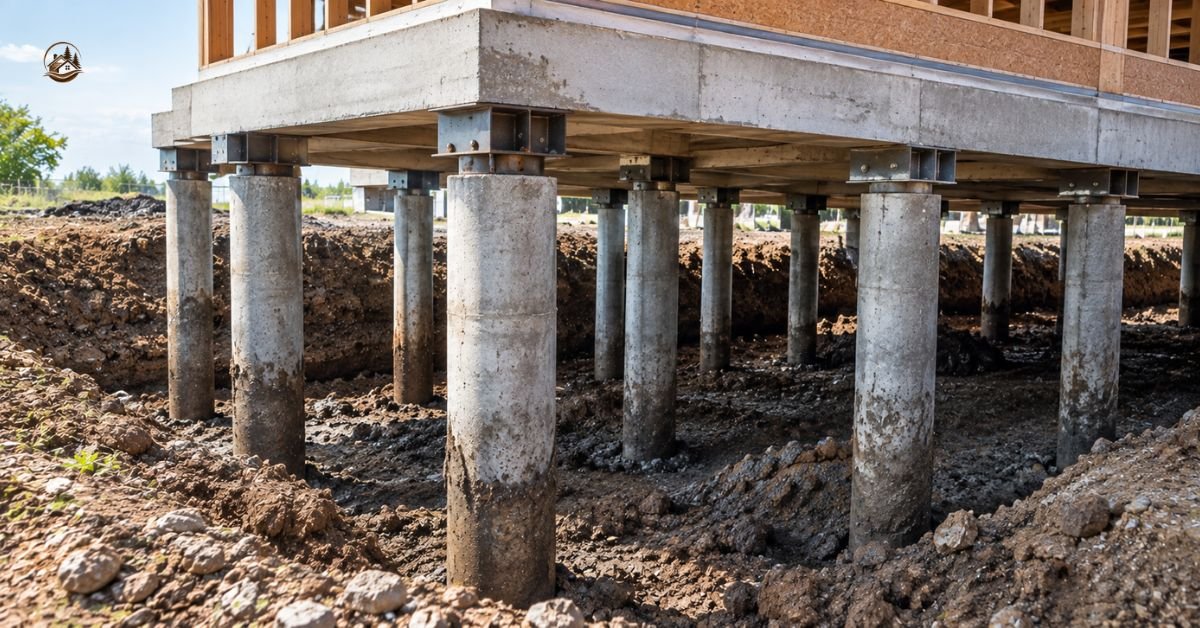
A pile foundation is specifically designed for locations where surface soil lacks sufficient soil bearing capacity. Long piles are driven deep into the ground until they reach stronger soil layers capable of supporting the structure safely. This approach is common in coastal regions and areas with unstable ground conditions.
Although pile foundations involve higher construction costs, they provide exceptional foundation stability and structural support. For challenging residential construction projects, this solution often delivers the safest and most reliable long-term performance.
Key Factors to Consider When Choosing a Foundation
Selecting the right foundation requires evaluating several important factors. The first consideration is soil type. Different soils react differently to moisture, temperature changes, and building loads. A professional foundation inspection and soil analysis can help determine the most suitable option.
Soil Type and Soil Bearing Capacity
Soil bearing capacity directly affects how much weight the ground can support. Sandy soils generally drain well, while clay soils may expand and contract with moisture changes. Understanding these characteristics helps prevent foundation settlement and crack formation.
Climate Conditions and Frost Line
Climate conditions significantly influence foundation performance. In colder regions, foundations must extend below the frost line to avoid movement caused by freezing and thawing cycles. Moisture protection and water management also become increasingly important in wet climates.
Budget and Construction Costs
Budget plays a major role in foundation selection. While slab foundations often have lower construction costs, basement and pile foundations typically require a larger investment. Balancing upfront expenses with long-term durability is essential for making a smart decision.
Comparing the Best Foundation Types for Residential Buildings
The best foundation types for Residential Buildings vary based on project requirements, environmental conditions, and budget constraints. Each option offers unique advantages that make it suitable for specific situations.
| Foundation Type | Cost | Durability | Best For |
| Slab Foundation | Low | High | Warm climates |
| Crawl Space Foundation | Medium | High | Moist areas |
| Basement Foundation | High | Very High | Extra living space |
| Pier and Beam Foundation | Medium | Medium | Uneven terrain |
| Pile Foundation | High | Very High | Weak soil conditions |
No single foundation works for every home. The ideal choice depends on construction planning, site conditions, and long-term goals. Understanding the strengths and limitations of each option allows homeowners to make informed decisions.
How to Select the Right Foundation for Your Home
The best way to choose a home foundation is to evaluate your property’s specific needs. Consider factors such as local climate, soil conditions, building regulations, energy efficiency goals, and future maintenance requirements. Consulting with foundation engineering professionals can provide valuable insights before construction begins.
You should also think about long-term performance rather than focusing only on initial costs. A foundation that performs well for decades can reduce maintenance expenses and improve home stability. Careful planning today helps ensure your home remains safe, comfortable, and structurally sound for years to come.
FAQs
What is the most common foundation used in residential homes?
The concrete slab foundation is one of the most common options because it is affordable, durable, and quick to construct.
Which foundation type lasts the longest?
Pile foundations and well-built basement foundations often provide the greatest long-term durability when properly maintained.
Is a basement foundation better than a slab foundation?
It depends on your needs. A basement offers extra living space, while a slab foundation generally costs less and requires less maintenance.
How do soil conditions affect foundation selection?
Soil type influences foundation stability, drainage, and load-bearing capacity, making it a critical factor in foundation design.
What is the cheapest foundation for a house?
A slab-on-grade foundation is usually the most cost-effective option for residential construction projects.
Conclusion
The foundation is one of the most important components of any home. It provides structural support, protects against ground movement, and contributes to the long-term safety of the building. Understanding the advantages and disadvantages of different house foundation types can help you make a more informed decision.
Whether you choose a slab foundation, crawl space, basement, pier and beam, or pile foundation, the right choice depends on your property’s unique conditions. By considering soil type, climate conditions, budget, and long-term durability, you can select a foundation that supports your home for decades while protecting your investment.

Welcome to BuildHypcabin! My name is Farhan, and I’m an SEO Expert with several years of experience in SEO, link building, and website growth. I’m passionate about helping websites improve their online visibility and reach the right audience.
At BuildHypCabin, I share informative and useful blogs on different topics to provide readers with practical and easy-to-understand information. For SEO-related questions, collaborations, or any other inquiries, feel free to contact me.
1 thought on “Best Foundation Types for Residential Buildings Explained ”