

Have you ever imagined waking up somewhere quiet, far from traffic, bills, and noisy neighbors? The idea sounds peaceful, but Off-Grid Living can be much harder than those beautiful photos make it look. When there’s no utility company to call, everyday problems suddenly become your responsibility.
This guide covers what you should know before making the move. From choosing land and setting up power to finding water, handling extreme weather, and staying connected, you’ll discover the practical side of building a more independent life.
Why Off-Grid Living Is Not Easy
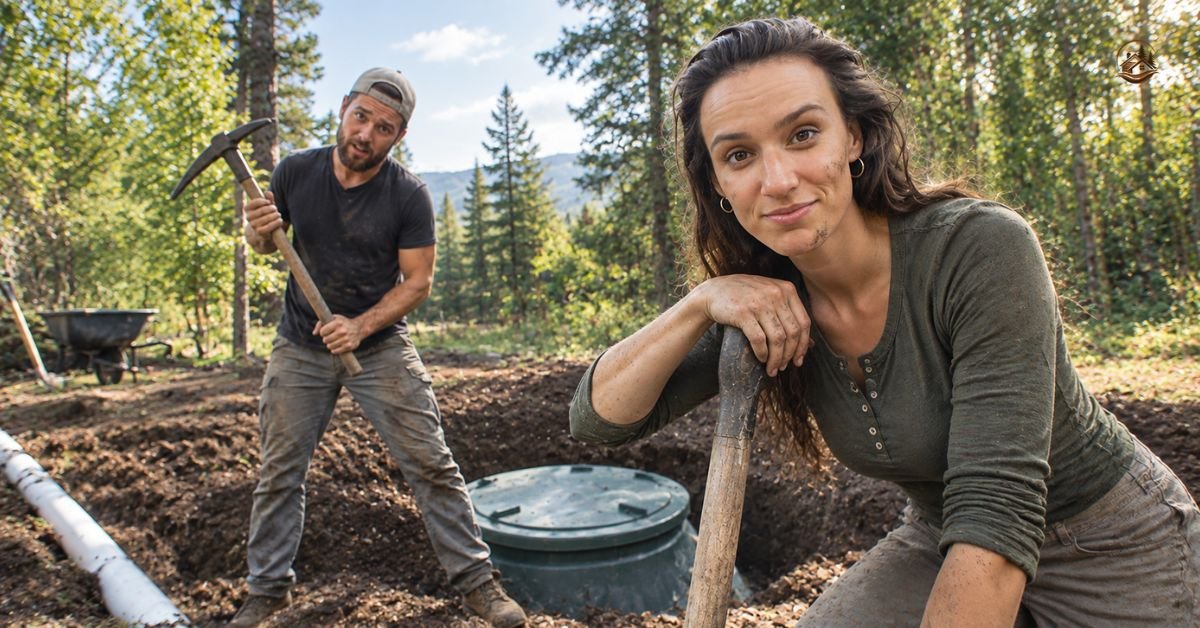
The dream of an off-grid lifestyle often starts with freedom. You can choose where you live, produce some of your own energy, and reduce your dependence on public utilities. However, independence also means taking responsibility for systems that a city normally handles for you.
A self-sufficient home requires planning, maintenance, and patience. You may need to monitor batteries, maintain water storage systems, manage waste, and deal with repairs yourself. These daily off-grid responsibilities can feel overwhelming at first, especially when you’re still learning how everything works.
What to Know Before Off-Grid Living
Before moving to a remote property, think beyond the peaceful surroundings. Consider access roads, communication, healthcare, groceries, weather, and the distance to basic services. A beautiful piece of land can become frustrating if every simple trip requires hours of driving.
Must Read this Article: Click Here
Hidden Costs of Starting Off-Grid
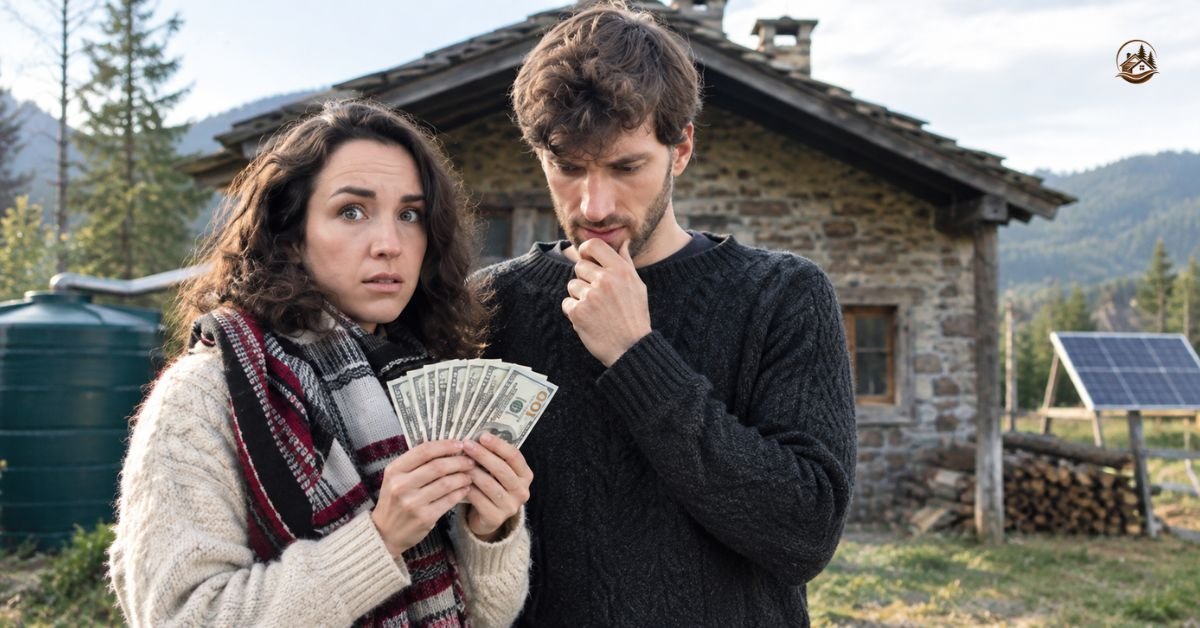
Many beginners focus on the price of land and the house. They often overlook the cost of an off-grid electricity setup, water systems, tools, batteries, heating equipment, waste management, and regular repairs. These expenses can quickly change your original budget for sustainable living.
Is off-grid living expensive? It can be, especially during the setup stage. Solar panels for home use, batteries, generators, water pumps, storage tanks, and essential off-grid equipment all require an initial investment. A realistic budget should include both planned purchases and unexpected repairs.
| System | Possible Cost Factor |
| Solar power | Panels, batteries, inverter, wiring |
| Water | Well, pump, tanks, filtration |
| Heating | Wood, propane, electric or alternative systems |
| Construction | Materials, labor, transport |
| Maintenance | Tools, replacement parts, repairs |
Choosing the Right Land for Your Home
Buying land for off-grid living requires more research than simply finding a cheap rural property. Check road access, soil quality, drainage, local building rules, sunlight exposure, and the availability of water. You should also consider whether large vehicles can reach the property when you need construction materials delivered.
A remote property may look perfect online but feel completely different in person. Visit the land during different weather conditions if possible. Look for flooding risks, steep terrain, difficult access roads, and nearby services. Good land can make your future home much easier to manage.
Understanding Your Daily Energy Needs
Energy planning starts with knowing what you actually use. A refrigerator, lights, water pump, computer, heating system, and other appliances all consume power. Instead of buying the biggest solar power system you can afford, calculate your daily electricity needs first.
Off-Grid Living becomes easier when your energy system matches your lifestyle. Renewable energy can provide reliable power, but solar panels don’t produce the same amount of electricity every day. Cloudy weather and winter conditions can reduce production, so battery storage and emergency backup power may become important.
Finding Reliable Water Sources
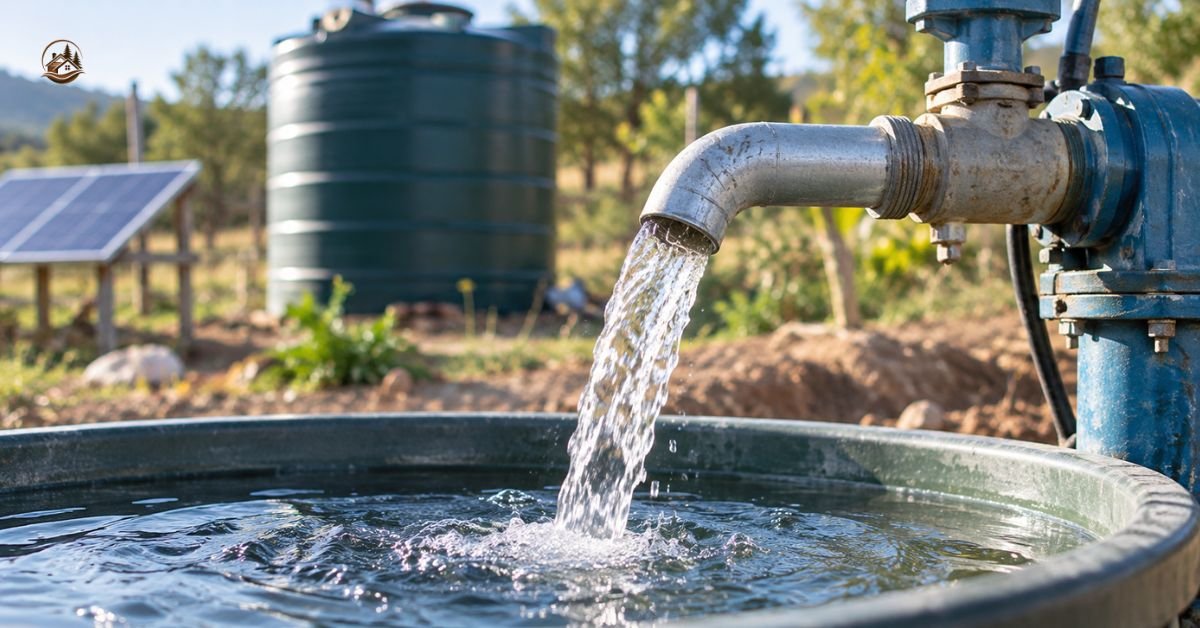
Water is one of the biggest priorities when creating a self-sufficient home. Depending on your location, you might rely on well water access, rainwater harvesting, springs, or another local source. Before buying land, investigate the reliability and quality of the available water.
Water storage systems can help you prepare for dry periods or equipment failures. However, collecting water isn’t the whole job. You may also need filtration, pumps, pipes, tanks, and regular testing. A dependable water plan gives you much more security than simply hoping a natural source will always be available.
Life Without City Utilities
Living without public utilities changes everyday routines. Instead of assuming electricity, water, sewage, and waste collection will always be available, you need systems that you can operate and maintain yourself. Even a small failure can become inconvenient when you’re far from town.
Waste management systems, composting, septic solutions, and alternative energy sources can reduce your dependence on outside services. You’ll also need to learn basic maintenance. A small plumbing leak or electrical problem that might be a quick service call in town can require your own tools and knowledge in a remote home.
Preparing for Extreme Weather Conditions
Weather can test an off-grid setup in ways that ordinary daily life doesn’t. Heavy rain can damage access roads, strong winds can affect solar equipment, and freezing temperatures can create problems with pipes and water systems. Preparing for harsh weather should therefore be part of your original planning.
Heating and cooling options also deserve careful attention. Your choice may depend on climate, house design, fuel availability, and your energy system. Keep emergency supplies available and have a backup plan for power, water, heating, and communication before severe weather arrives.
Growing Food Takes Time and Effort

Growing food at home sounds simple until you actually start doing it. Plants need suitable soil, sunlight, water, protection from pests, and regular attention. Weather can also affect harvests, meaning you can’t always depend on your garden for every meal.
Homestead living becomes easier when you start small. Grow a few vegetables that suit your climate and learn what works before expanding. Over time, gardening can become a useful part of a more sustainable lifestyle, but it shouldn’t be treated as an instant replacement for grocery shopping.
Staying Connected in Remote Areas
Remote living doesn’t necessarily mean cutting yourself off from the world. However, internet access in rural areas can be limited depending on your location. Mobile coverage may also vary, so check communication options before choosing a property.
Think about what you need the internet for. If you work online, reliable connectivity may be essential rather than optional. Satellite internet, fixed wireless services, mobile networks, or other solutions may be available depending on the area. Having a backup communication method is also sensible when living far from emergency services.
Lessons Every Beginner Should Know
One of the biggest beginner off-grid mistakes is trying to build everything at once. People often spend heavily on impressive systems before understanding their actual needs. Starting with the basics allows you to learn gradually and avoid expensive decisions that don’t suit your lifestyle.
Another important lesson is that independence doesn’t mean doing absolutely everything alone. You may still need builders, electricians, well specialists, mechanics, or other professionals. The goal is to become more capable and prepared, not to make every task harder than it needs to be.
Common Mistakes in Off-Grid Living
Before committing to your new lifestyle, keep these common mistakes in mind:
- Underestimating off-grid living costs
- Buying land without checking water availability
- Installing too little energy storage
- Ignoring road and weather conditions
- Choosing equipment without understanding maintenance
- Depending on one source of water or electricity
- Forgetting about internet and communication needs
- Trying to grow too much food too quickly
FAQs
Is off-grid living expensive?
It can be expensive during the initial setup because land, energy, water, construction, and equipment can require significant investment. Long-term costs depend heavily on your systems and lifestyle.
Can you live off-grid without solar power?
Yes. Depending on your location and needs, you can use wind, micro-hydro, generators, or a combination of alternative energy sources. Solar remains popular because it works well in many locations.
How do I prepare for off-grid life?
Start by calculating your water, energy, food, communication, and heating needs. Research the land carefully and create a realistic budget before making major purchases.
Can I have internet while living off-grid?
Yes. Options may include satellite internet, fixed wireless, or mobile networks. Availability depends on your remote location and local infrastructure.
What is the biggest challenge of off-grid living?
There isn’t one universal challenge. Energy, water, maintenance, weather, transportation, and isolation can all become significant issues depending on the property and lifestyle.
Conclusion
Off-Grid Living can offer greater independence, a closer connection with nature, and a lifestyle built around your own priorities. But it isn’t simply about leaving the city and putting a solar panel on a roof. It requires planning, practical skills, regular maintenance, and realistic expectations.
The best way to prepare is to start with the essentials. Research your land, understand your energy and water needs, prepare for emergencies, and give yourself time to learn. When you understand the hidden challenges before going off-grid, you’re far more prepared to build a home that actually works for you.

Welcome to BuildHypcabin! My name is Farhan, and I’m an SEO Expert with several years of experience in SEO, link building, and website growth. I’m passionate about helping websites improve their online visibility and reach the right audience.
At BuildHypCabin, I share informative and useful blogs on different topics to provide readers with practical and easy-to-understand information. For SEO-related questions, collaborations, or any other inquiries, feel free to contact me.
1 thought on “Off-Grid Living: What Nobody Tells You Before Starting”