

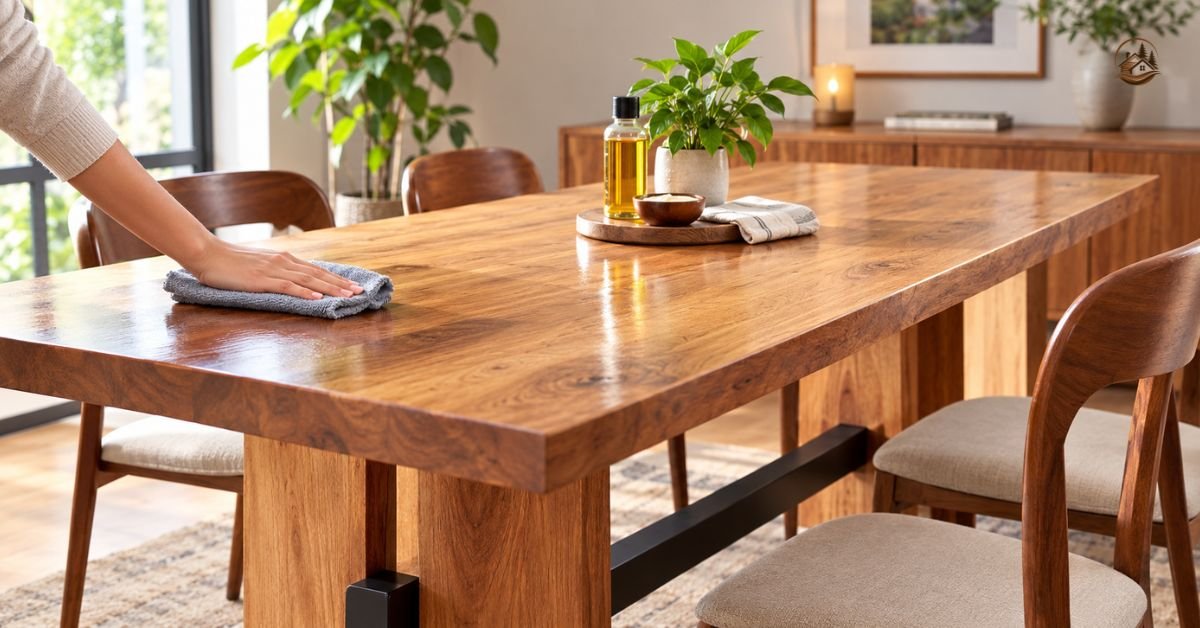
A beautiful wooden dining table can make a dining room feel warm, natural, and welcoming. But daily meals, spills, hot dishes, and small scratches can slowly take away that fresh look. The good news is that keeping it in good condition doesn’t have to be difficult.
With a few simple habits, you can protect the wood and help your table stay attractive for years. This guide covers practical cleaning, moisture protection, scratch prevention, sunlight care, and other simple ways to preserve your table’s natural beauty.
Clean Your Wooden Dining Table Regularly
Dust and food particles can build up on the surface throughout the week. If you leave them there, they can make the wood look dull and may even cause tiny surface scratches when the table is used. Regular dust removal is one of the easiest parts of good dining table care.
Use a soft microfiber cloth to gently wipe the table after meals or whenever you notice dust. For deeper surface cleaning, slightly dampen the cloth rather than soaking it. This simple routine helps keep the wood surface clean without exposing it to unnecessary moisture.
Must Read this Article: Click Here
Use the Right Cleaning Products
Not every furniture cleaner is suitable for natural wood. Strong chemicals or abrasive products can affect the table finish and leave the surface looking dry or uneven. Before using any cleaning solution, check whether it’s designed for your type of wood and finish.
For everyday cleaning, a soft microfiber cloth and a small amount of mild soap diluted with water can often be enough. Apply the solution to the cloth instead of pouring it directly onto the table. This gives you better control and helps prevent excess moisture from reaching the wood.
Protect the Table From Heat
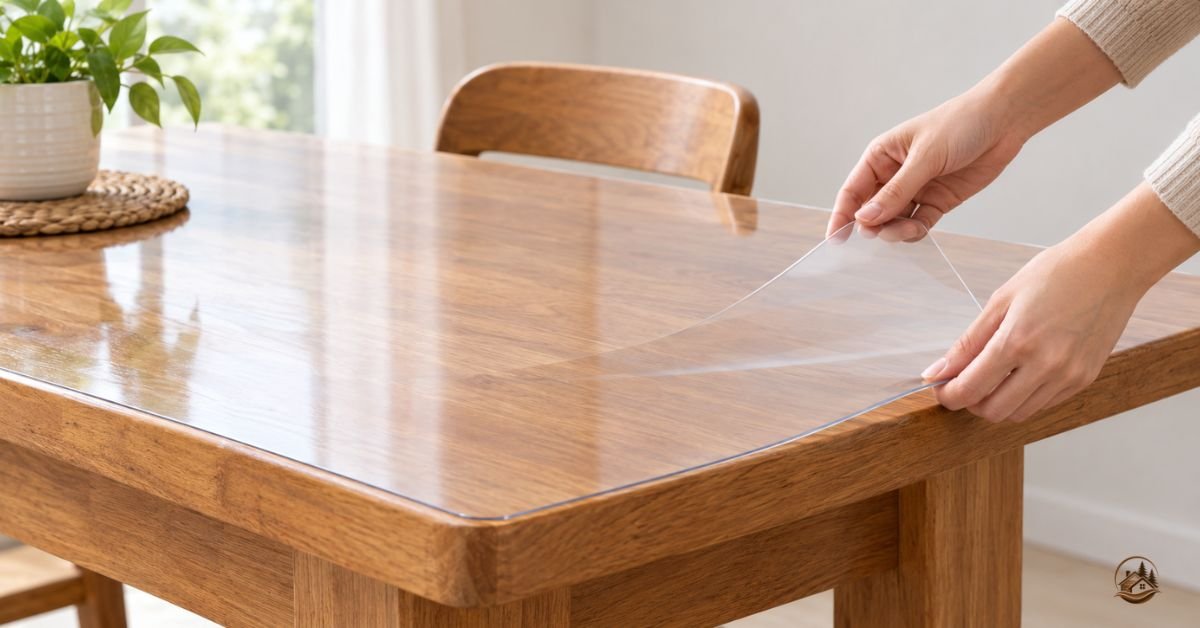
Hot dishes can leave stubborn heat marks on a wooden surface, especially when they’re placed directly on the table. Even a short period of contact with a very hot pan or serving dish can affect some finishes. That’s why heat protection should be part of your regular table care routine.
Keep trivets, heat-resistant mats, or suitable table protectors nearby so they’re easy to use during meals. Place hot plates and serving dishes on these protective items rather than directly on the table top. This small habit can prevent unnecessary heat damage and help preserve the finish.
Prevent Water and Moisture Damage
Water is one of the easiest ways to damage wooden furniture when it’s left on the surface for too long. Liquid spills can create water stains, water rings, or even contribute to wood swelling if moisture gets into unprotected areas. Quick action can make a big difference.
Wipe liquid spills with a dry or slightly damp cloth as soon as you notice them. Also, avoid leaving wet glasses, damp objects, or condensation on the table for extended periods. Good moisture protection helps the wood maintain its shape and keeps the finish looking even.
Use Placemats and Table Runners
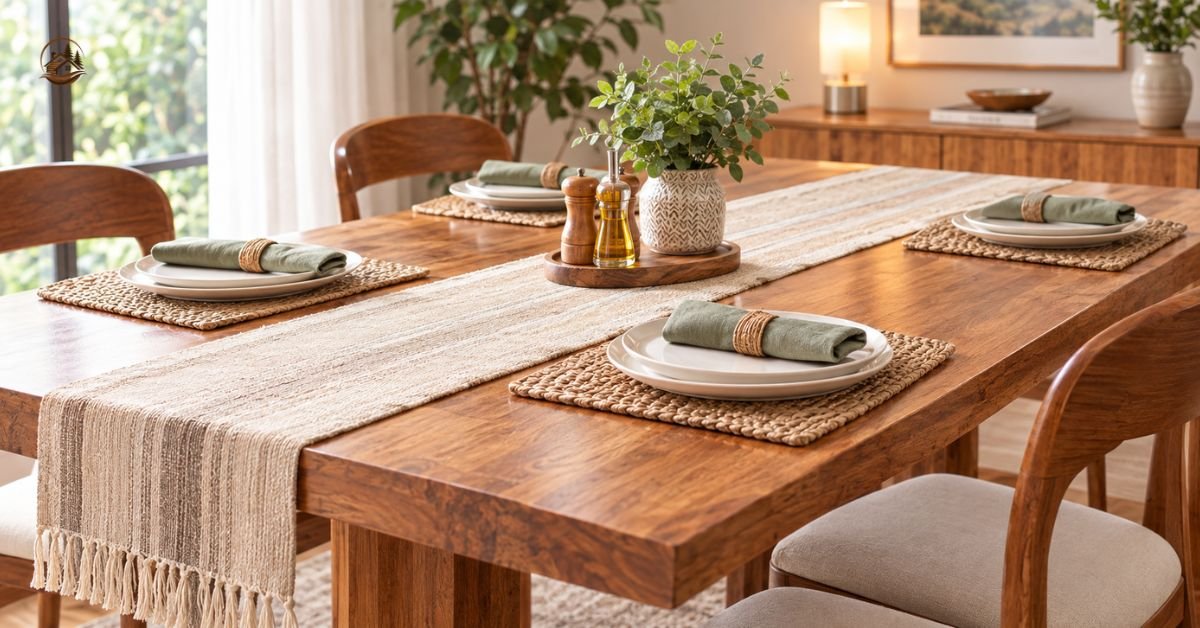
Placemats and table runners aren’t only decorative dining accessories. They create a simple barrier between the table and everyday items such as plates, cutlery, glasses, and serving dishes. This adds another layer of dining table protection without changing the look of your dining room.
Use table mats under dishes and placemats where people normally eat. A table runner can also protect the center of the surface from decorative items or serving pieces. Choose materials that won’t trap moisture underneath, especially after cleaning or during humid weather.
Protect the Surface From Scratches
Small scratches are common when a dining table is used every day. Plates, dishes, decorative objects, and even rough items placed underneath furniture can gradually create surface scratches. While some marks are unavoidable, you can reduce them with a few simple precautions.
Use felt pads under decorative pieces and other objects that regularly sit on the table. Avoid dragging dishes or heavy items across the surface when you can lift them instead. These simple steps help prevent scratches on wood and keep the natural wood grain looking attractive.
Keep the Table Away From Direct Sunlight
Natural light can make a dining room feel bright, but too much direct sunlight may affect wooden furniture over time. Extended sunlight exposure can contribute to UV damage, wood discoloration, or uneven fading. This can be especially noticeable when one part of the table receives more light than another.
If possible, position the table away from strong direct sunlight or use curtains and blinds during the brightest part of the day. Window coverings can reduce excessive UV exposure without making the room feel dark. Rearranging nearby furniture from time to time can also help reduce uneven furniture fading.
Apply Wood Polish When Needed
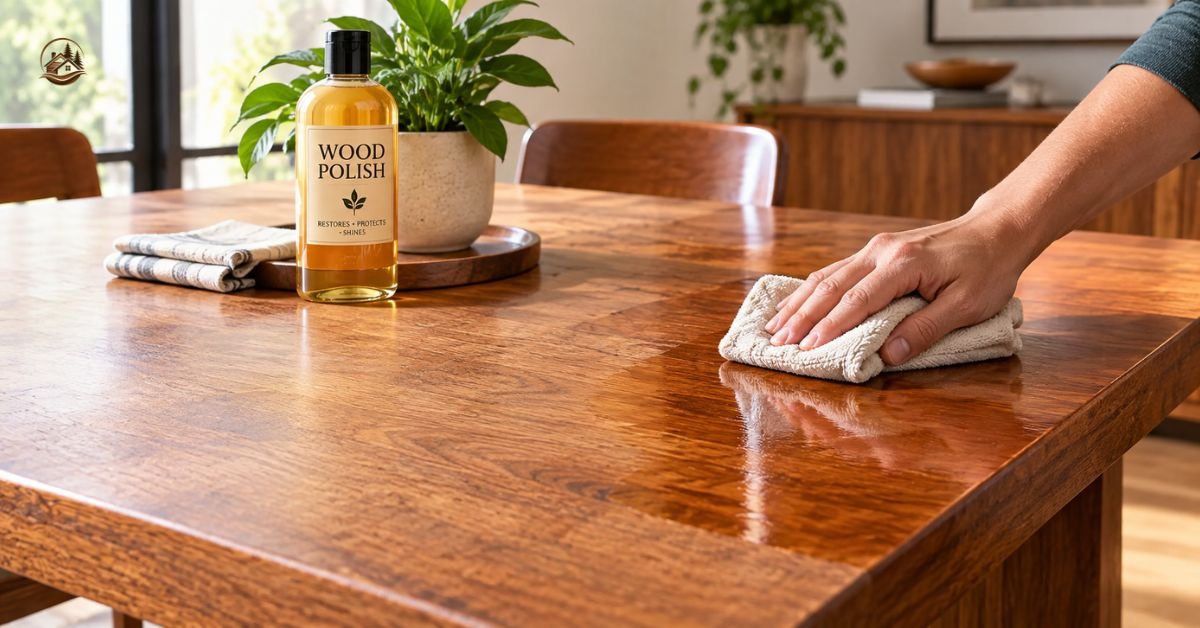
Wood polish can help refresh the appearance of a table when its finish starts looking dull. However, polishing wooden furniture too frequently isn’t always necessary. The right approach depends on the existing table finish and the manufacturer’s care recommendations.
Choose a product that matches the type of finish on your table and follow its instructions carefully. A suitable wood conditioner or wood wax may also be appropriate for some finishes. If the surface has deeper damage or the finish has worn away, refinishing wood may be more suitable than simply adding another layer of polish.
Before applying polish, keep these simple points in mind:
- Check the table finish: Make sure the polish is suitable for your wood’s existing finish.
- Clean the surface first: Remove dust and food residue before polishing.
- Use a small amount: Applying too much product can leave buildup on the surface.
- Follow the product instructions: Different wood polishes and waxes may require different application methods.
- Test an unseen area: Try the product on a small hidden spot before treating the entire table.
- Don’t polish too often: Apply polish only when the surface actually needs refreshing.
- Consider deeper repairs: If the finish is badly worn or damaged, refinishing wood may be more suitable than adding more polish.
FAQs
How often should you clean a wooden dining table?
Dust and food residue should be removed regularly, while deeper cleaning can be done whenever the surface becomes dirty. Quick cleaning after spills is especially important.
What is the safest cleaner for a wooden dining table?
A mild cleaning solution and soft microfiber cloth are often suitable for routine care. Always check the furniture manufacturer’s recommendations before using a new product.
How can you protect a wooden table from heat marks?
Use trivets, heat-resistant mats, or table protectors under hot dishes and serving cookware. Avoid placing very hot items directly on the wooden surface.
How do you prevent water stains on wooden furniture?
Wipe liquid spills and condensation as soon as possible. Using coasters, placemats, and suitable protective coverings can also reduce moisture exposure.
How often should you polish a wooden dining table?
Polish only when the finish needs refreshing rather than following a strict schedule. Too much product can leave buildup, so follow the care instructions for your particular finish.
Conclusion
Taking care of a wooden dining table is mostly about building a few simple habits into your daily routine. Regular cleaning, quick spill removal, heat protection, and scratch prevention can help preserve the surface without requiring complicated maintenance.
Remember that the goal isn’t to make your table look untouched. Natural wood develops character over time. With proper care, however, you can protect its finish, maintain its natural beauty, and keep it looking fresh for much longer.

Welcome to BuildHypcabin! My name is Farhan, and I’m an SEO Expert with several years of experience in SEO, link building, and website growth. I’m passionate about helping websites improve their online visibility and reach the right audience.
At BuildHypCabin, I share informative and useful blogs on different topics to provide readers with practical and easy-to-understand information. For SEO-related questions, collaborations, or any other inquiries, feel free to contact me.
1 thought on “How to Keep Your Wooden Dining Table Looking New”