


There’s something special about coming home to a warm, peaceful space after a long day. But if your wooden house feels too cold in winter, too hot in summer, or damp during rainy weather, enjoying that comfort can become a real challenge. Living comfortably throughout the year takes a little more planning than simply choosing a beautiful wooden home.
The good news is that small improvements can make a big difference. In this guide, you’ll discover practical ways to keep your home warm, cool, fresh, and protected through changing seasons. From insulation and ventilation to moisture control and seasonal maintenance, we’ll look at what helps a wooden house feel comfortable all year round.
Built for Everyday Comfort
A well-designed wooden house can create a comfortable indoor environment without relying entirely on heating or cooling equipment. Wooden walls and other natural materials can contribute to a pleasant atmosphere while good insulation helps control indoor temperature. The overall design also matters, from the home’s orientation to the placement of windows and doors.
For year-round living, think of comfort as a complete system rather than one feature. A sustainable wooden home needs proper insulation, natural ventilation, efficient windows, and sensible temperature control. When these elements work together, your home can feel comfortable without wasting unnecessary energy.
- Good insulation for steady indoor temperatures
- Well-placed windows for light and airflow
- Proper sealing around doors and openings
- Efficient heating and cooling systems
Insulation That Works Year Round
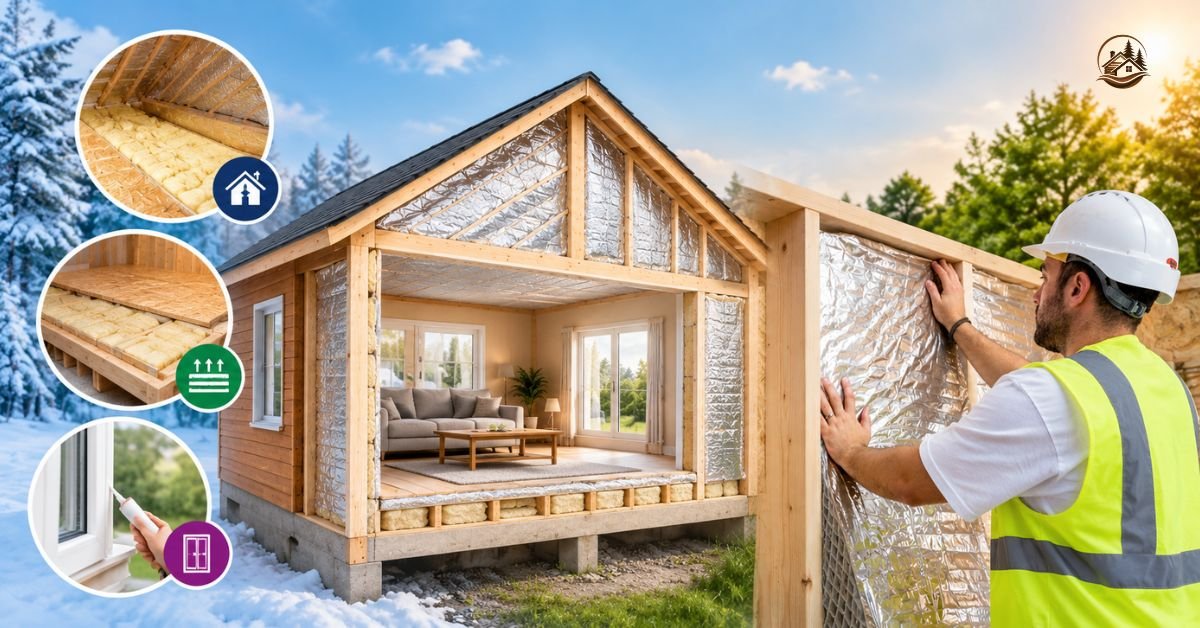
Good home insulation helps slow the movement of heat through the building envelope. During winter, it reduces heat loss and helps your heating system maintain a steady indoor temperature. During summer, effective thermal insulation can also make it harder for outdoor heat to enter the living space.
Don’t focus only on wall insulation when planning a wood-frame home. Roof insulation and floor insulation matter too because heat can escape through the entire structure. Sealing gaps around doors, windows, and other openings can further improve energy efficiency and make the home easier to keep comfortable.
| Area | Main Benefit |
| Walls | Reduces heat loss and outside heat |
| Roof | Helps maintain indoor temperature |
| Floors | Limits cold air and heat transfer |
| Windows | Reduces drafts and heat loss |
Must Read This Article: Click Here
A Warm Retreat for Cold Days
Winter cold can make any home feel uncomfortable if heat escapes too quickly. A reliable heating system works best when paired with strong insulation and well-sealed openings. Instead of running the heat constantly, you can retain warmth longer by reducing drafts and limiting unnecessary heat loss.
Windows also deserve attention during colder months. Energy-efficient windows, especially double-glazed windows, can reduce cold spots near glass and improve indoor comfort. Thick curtains can provide another layer of protection at night while still allowing natural light into the room during the day.
Keeping Summer Heat Outside
A wooden house can become uncomfortable in hot weather when sunlight and outdoor heat build up indoors. Start by limiting direct sun through windows during the hottest part of the day. Exterior shade, blinds, curtains, and thoughtfully positioned trees can all help reduce summer heat.
Home cooling becomes easier when you combine shading with good air circulation. Open windows when outdoor conditions are suitable and use fans to move warm air through the house. If temperatures remain high, an efficient cooling system can provide extra support without making the home unnecessarily energy-intensive.
Read this: Click Here
Fresh Air Without Losing Comfort
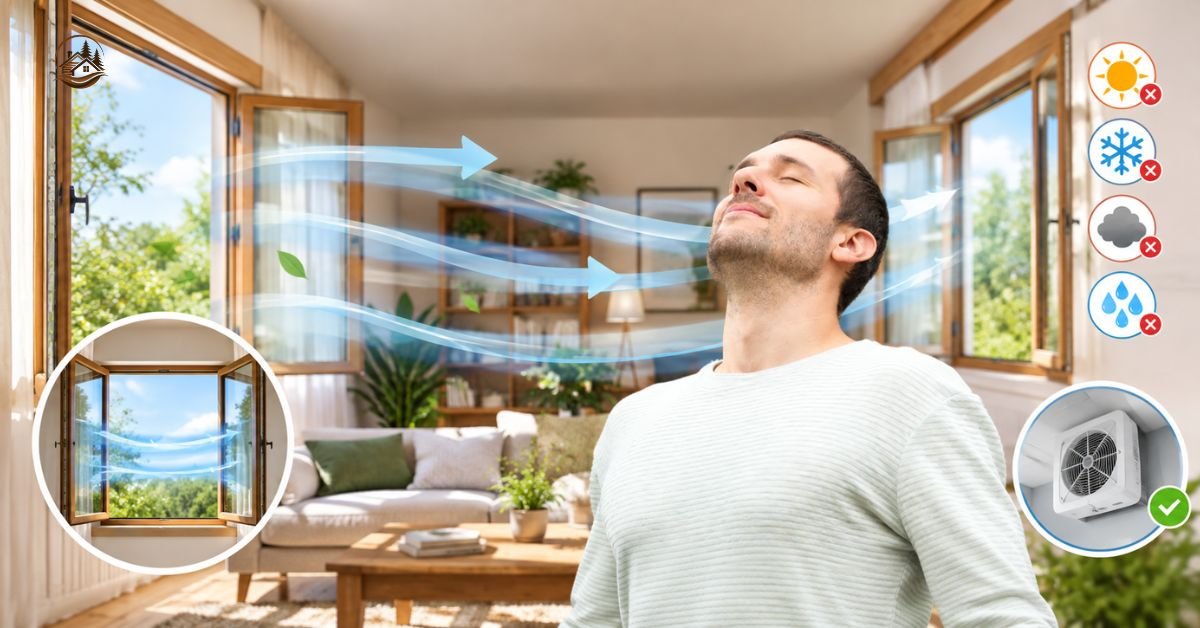
Natural ventilation helps remove stale air, odors, and excess indoor humidity. Opening windows on opposite sides of a home can create cross ventilation, allowing fresh air to move through rooms instead of remaining trapped in one area. This simple approach can make a noticeable difference during mild weather.
However, ventilation should match outdoor conditions. You don’t need to keep windows open when it’s extremely hot, cold, smoky, or humid outside. During those periods, controlled ventilation or mechanical systems can help maintain fresh air while preserving the indoor temperature you’ve worked to create.
Keeping Moisture Under Control
Moisture control is especially important in a wooden structure because prolonged dampness can affect wood durability. Everyday activities such as cooking, showering, and drying clothes can increase indoor humidity. Without enough ventilation, that moisture may settle on cool surfaces and contribute to condensation.
Watch for signs such as musty smells, damp corners, peeling finishes, or persistent condensation around windows. Good airflow, bathroom exhaust fans, kitchen ventilation, and timely repairs can help prevent moisture damage. Keeping gutters, roofs, and exterior surfaces in good condition also reduces the chance of water entering the structure.
Letting Natural Light In
Natural light can make a wooden interior feel more open and welcoming during the day. Large or strategically positioned windows can brighten living areas while reducing the need for artificial lighting. Light also highlights the grain, texture, and warmth of wooden walls and furniture.
At the same time, too much direct sunlight can increase indoor temperatures. Consider the direction your windows face and use shades when necessary. This balance lets you enjoy natural light without turning bright rooms into overheated spaces during the warmer months.
Comfort That Feels Like Home
Comfort isn’t only about temperature. Your wooden interior should also support the way you actually live, whether that means creating a quiet reading corner, keeping bedrooms cozy, or making the main living area easy to use. Soft furnishings, practical furniture, rugs, and thoughtful lighting can make the space feel more personal.
A comfortable home should also be easy to maintain. Keep heating and cooling equipment serviced, check ventilation points regularly, and address small problems before they become expensive repairs. Simple habits can help preserve both comfort and energy efficiency over time.
Protecting the Wood Outside

The wooden exterior faces rain, sunlight, wind, snow, and changing temperatures throughout the year. A suitable weather-resistant finish can help protect exposed surfaces from moisture and ultraviolet damage. However, no finish replaces regular inspection and maintenance.
Look closely at areas near windows, doors, roof edges, decks, and ground-level surfaces. Clean debris from drainage areas and repair damaged sections before water has a chance to penetrate deeper into the material. This type of seasonal maintenance supports wood protection and helps your home remain attractive and durable.
- Inspect exposed wood for cracks or damage
- Keep gutters and drainage areas clear
- Refresh weather-resistant finishes when needed
- Repair water-damaged areas quickly
Ready for Every Season
Each season brings different demands, so a little preparation can prevent bigger problems later. Before winter, inspect insulation, heating equipment, windows, and exterior openings. Before summer, check shading, ventilation, cooling equipment, and areas where heat tends to build up.
Spring and fall are useful times for a broader home maintenance check. Look for moisture issues, damaged finishes, blocked gutters, small cracks, and signs of unwanted air leakage. Preparing ahead of seasonal weather helps maintain year-round living comfort while protecting the wooden structure.
| Season | What to Check |
| Winter | Heating, insulation, drafts |
| Spring | Moisture, gutters, exterior wood |
| Summer | Cooling, shading, ventilation |
| Fall | Roof, windows, weather protection |
FAQs
Can you live in a wooden house year round?
Yes. With proper insulation, heating, cooling, ventilation, and moisture control, a wooden house can provide comfortable year-round living.
How do you keep a wooden house warm in winter?
Use effective wall, roof, and floor insulation, seal drafts, and choose an efficient heating system. Double-glazed windows can also reduce heat loss.
How do you keep a wooden house cool in summer?
Reduce direct sunlight, improve airflow, use natural ventilation when outdoor conditions allow, and use an efficient cooling system when needed.
Do wooden houses have moisture problems?
They can if moisture isn’t managed properly. Good ventilation, humidity control, roof maintenance, and prompt repairs help reduce the risk of condensation and moisture damage.
How often should a wooden house be maintained?
Check the exterior, drainage, windows, finishes, and ventilation systems at least seasonally. More detailed maintenance may be needed depending on local weather and the home’s condition.
Conclusion
Living comfortably in a wooden house all year round is possible when the home is designed and maintained as a complete system. Proper insulation helps manage heat, ventilation keeps indoor air fresh, and moisture control protects the structure from long-term problems.
Seasonal maintenance is just as important as the original construction. By paying attention to heating, cooling, windows, airflow, and the wooden exterior, you can create a comfortable home that feels welcoming in every season while supporting energy efficiency and long-term wood durability.

Welcome to BuildHypcabin! My name is Farhan, and I’m an SEO Expert with several years of experience in SEO, link building, and website growth. I’m passionate about helping websites improve their online visibility and reach the right audience.
At BuildHypCabin, I share informative and useful blogs on different topics to provide readers with practical and easy-to-understand information. For SEO-related questions, collaborations, or any other inquiries, feel free to contact me.
1 thought on “Living Comfortably in a Wooden House All Year Round”