

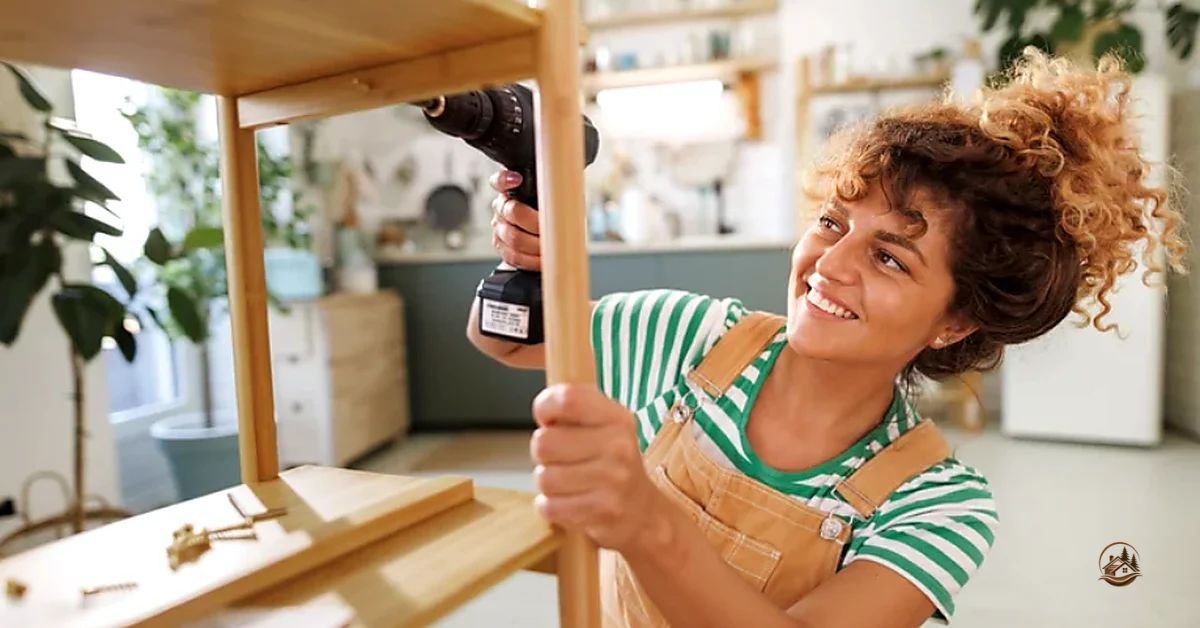
Have you ever looked around your home and wished you could make it more beautiful, organized, or comfortable without spending a fortune? Many home improvements seem expensive at first, but you can create useful and attractive features with basic tools, affordable materials, and a little creativity.
These DIY Home Projects will help you discover practical ways to upgrade your indoor and outdoor spaces. From wooden shelves and garden planters to a cozy cabin deck, each idea offers inspiration for your next project. You’ll also learn about useful materials, essential tools, and important planning tips before getting started.
1. DIY Wooden Planter Box
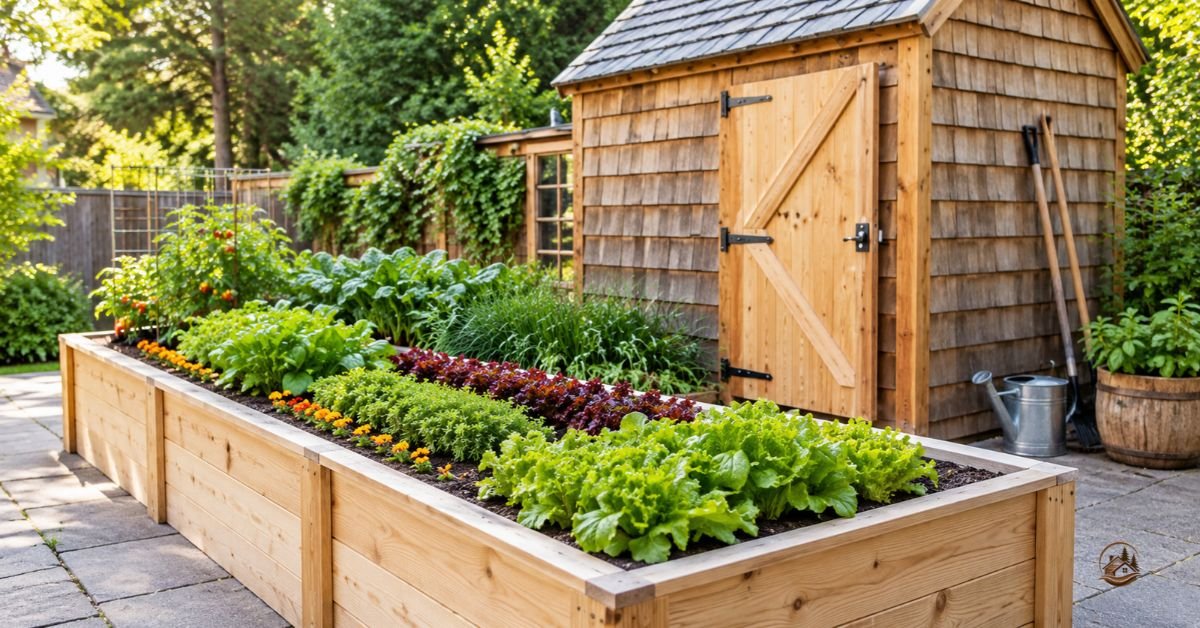
A wooden planter box is a simple way to bring greenery to your porch, patio, or backyard. You can build one in different sizes to suit flowers, herbs, or small garden plants. Start by exploring wooden planter box plans and choosing untreated, rot-resistant wood suitable for outdoor use. Cedar wood is a popular option because it naturally resists decay.
Measure and cut the boards before assembling the box with suitable wood screws. Add drainage holes to the bottom so excess water can escape, then fill it with potting soil suited to your plants. An outdoor wooden planter can become a beautiful garden feature when you position it near a walkway or seating area. Choose a raised planter box design if you prefer easier access to your plants.
Read this Article: Tiny Homes That Make Small Living Feel Luxurious
2. Floating Wooden Shelves
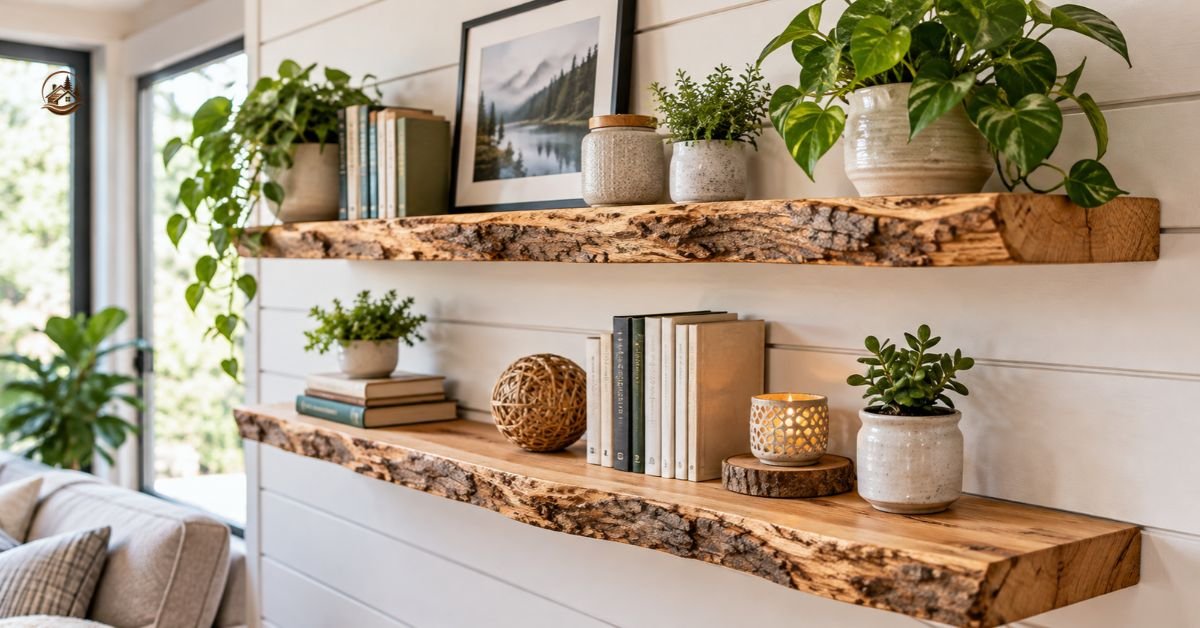
Floating wooden shelves offer an attractive way to organize your home without taking up valuable floor space. You can install them in bedrooms, kitchens, living rooms, or small home offices. These DIY floating shelves work well for displaying books, framed photographs, small plants, and decorative objects. Choose wood boards that match your existing furniture for a coordinated appearance.
Before installation, measure the wall and locate the wall studs to provide suitable support. Depending on the wall type and shelf design, you may need shelf brackets or other appropriate mounting hardware. Use a drill and suitable mounting screws to secure the shelves according to the manufacturer’s instructions. With careful planning, these wall-mounted shelves can provide practical, space-saving storage while making an empty wall more interesting.
3. Wooden Shoe Rack Bench
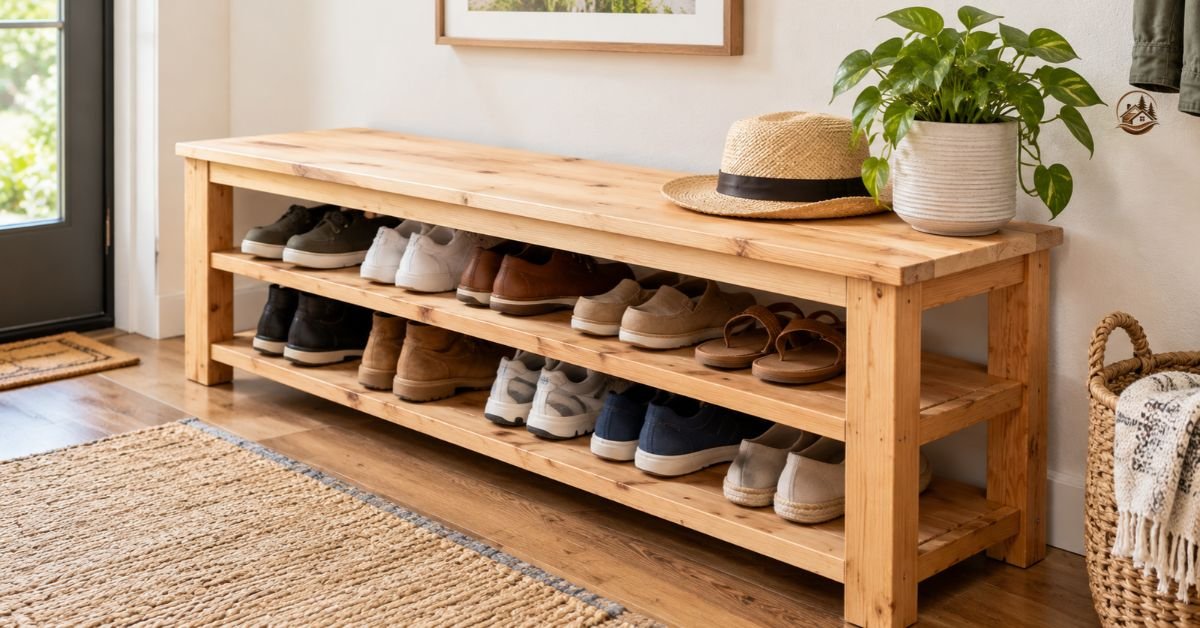
A wooden shoe rack bench combines comfortable seating with useful shoe storage. It works particularly well near the front door, where family members and guests can sit while putting on or removing their shoes. You can design the bench with open shoe compartments, a simple lower shelf, or a wooden entryway bench with additional storage. This is a practical option for improving hallway organization.
Start by measuring your available space and deciding how many pairs of shoes the rack should hold. Cut the wood or plywood to the required dimensions, then assemble a sturdy frame and attach the bench seat securely. Sand rough edges and apply a suitable finish to protect the wood. This DIY wooden bench can help reduce clutter while keeping everyday footwear easy to find.
4. Small Backyard Pergola
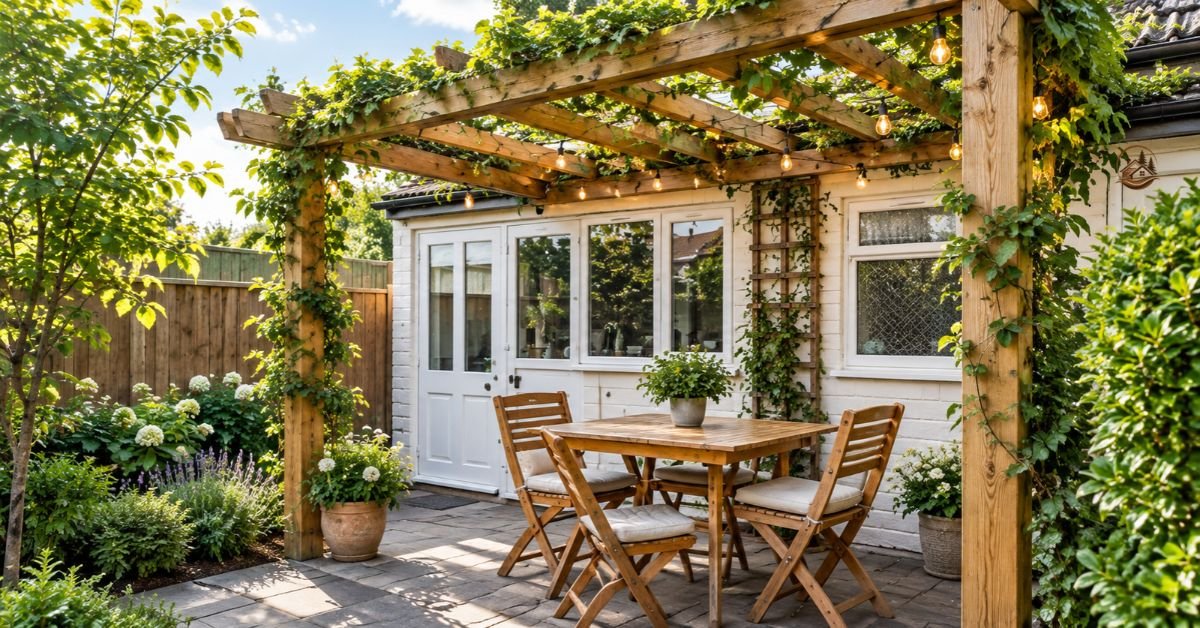
A small backyard pergola can turn an ordinary outdoor area into a welcoming place to relax. Its open wooden frame creates visual interest and can support suitable climbing plants. You can place a pergola above a patio or outdoor seating area to define a space for reading, dining, or spending time with family. Simple wooden pergola designs are often easier to incorporate into smaller gardens than oversized structures.
Begin by measuring the available area and checking local building requirements before planning the structure. A typical design includes support posts, cross beams, and appropriately rated connections or post anchors. Choose weather-resistant wood and suitable outdoor fasteners to help the structure withstand changing conditions. A pergola provides filtered shade rather than complete weather protection, so consider your climate and intended use before building.
5. Window Seat with Storage
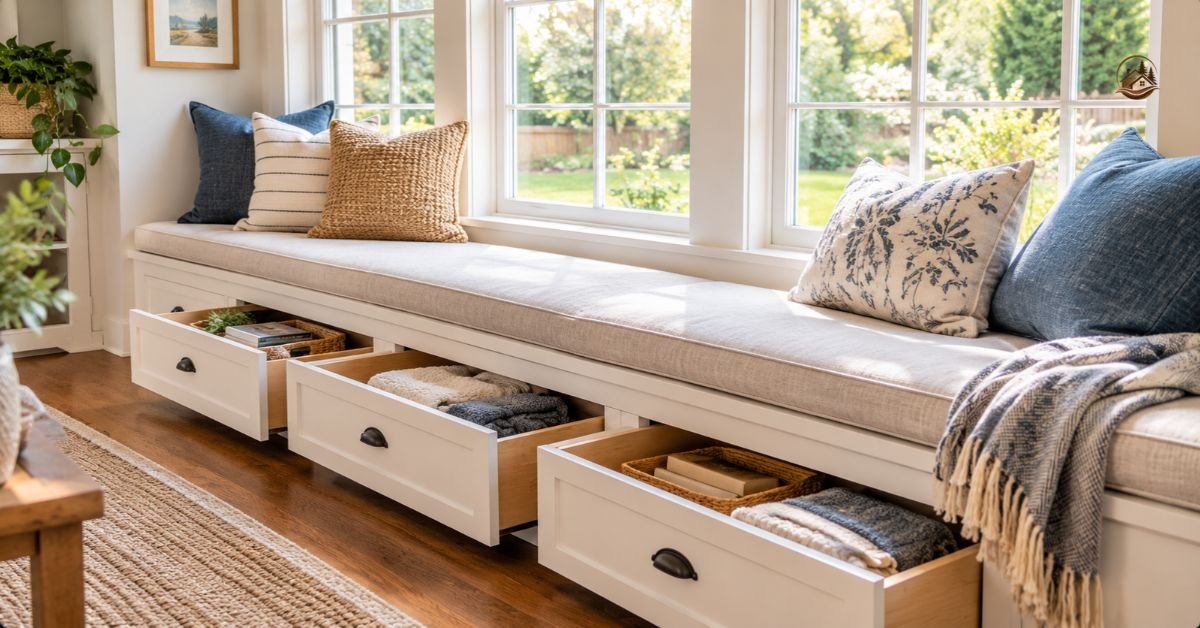
A window seat can create a comfortable reading corner while making better use of an otherwise overlooked part of your home. This project is especially useful in small rooms where adding separate chairs would take up too much space. A built-in window seating design can also provide hidden storage for blankets, books, or seasonal accessories. Add comfortable cushions to make the finished window nook more inviting.
Measure the window area carefully before choosing the seat’s height, depth, and width. Use suitable plywood panels and a strong support frame to create a stable base. You can add storage compartments beneath a hinged seat, making it easier to reach stored items. Check the wall, window, and floor conditions before installation, and ensure the finished seat does not obstruct a window that serves as an emergency exit.
6. Raised Garden Bed
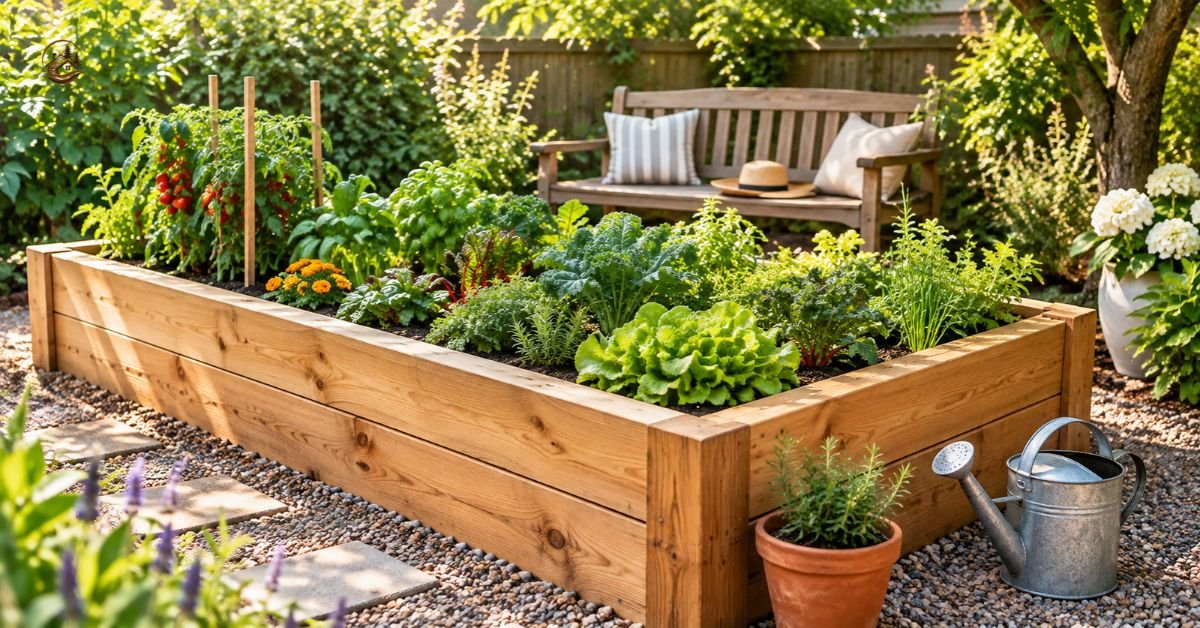
A raised garden bed makes it easier to organize a vegetable garden in your backyard. Instead of planting directly into the ground, you create a defined growing area with better control over the soil mixture. This project is suitable for growing herbs, lettuce, tomatoes, and other vegetables, depending on your local climate. It can also be a rewarding starting point for anyone interested in backyard vegetable gardening.
Choose a sunny location and build the frame using untreated lumber suitable for gardening. Fill it with an appropriate mixture of garden soil and compost, ensuring the bed has suitable drainage. Leave enough space around the frame to water, weed, and harvest your plants comfortably. A DIY raised garden bed can help keep plants organized, although healthy growth still depends on proper watering, sunlight, and soil quality.
7. Compact Garden Storage Shed
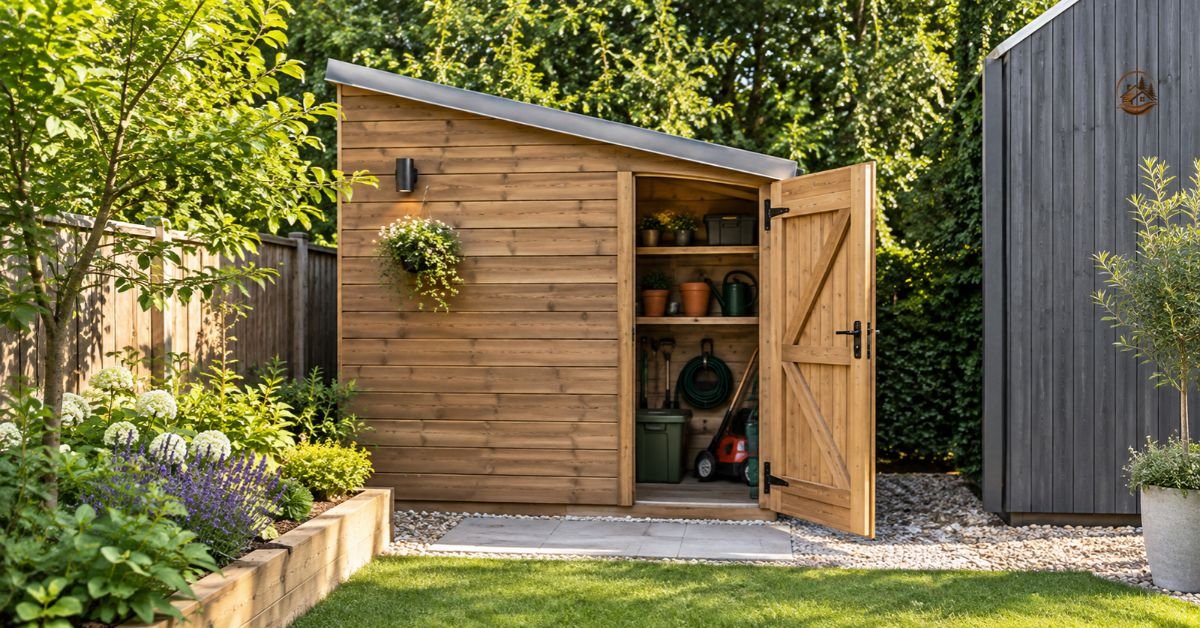
A compact garden storage shed provides a dedicated place for gardening tools, pots, hoses, and other outdoor supplies. It can help keep your yard tidy without requiring a large building. Before choosing a design, consider how much equipment you own and whether you need shelves, hooks, or space for larger tools. A small garden shed can be a useful addition to properties with limited outdoor storage.
Begin by selecting a suitable location and checking local rules about shed placement, size, and construction. Prepare an appropriate shed foundation, then plan the wall framing, roof panels, door, and ventilation. Weatherproofing is important because moisture can damage stored equipment and wooden components. If you are new to construction, consider a small prefabricated shed or get professional help with structural elements that require specialist knowledge.
8. Wall-Mounted Tool Organizer
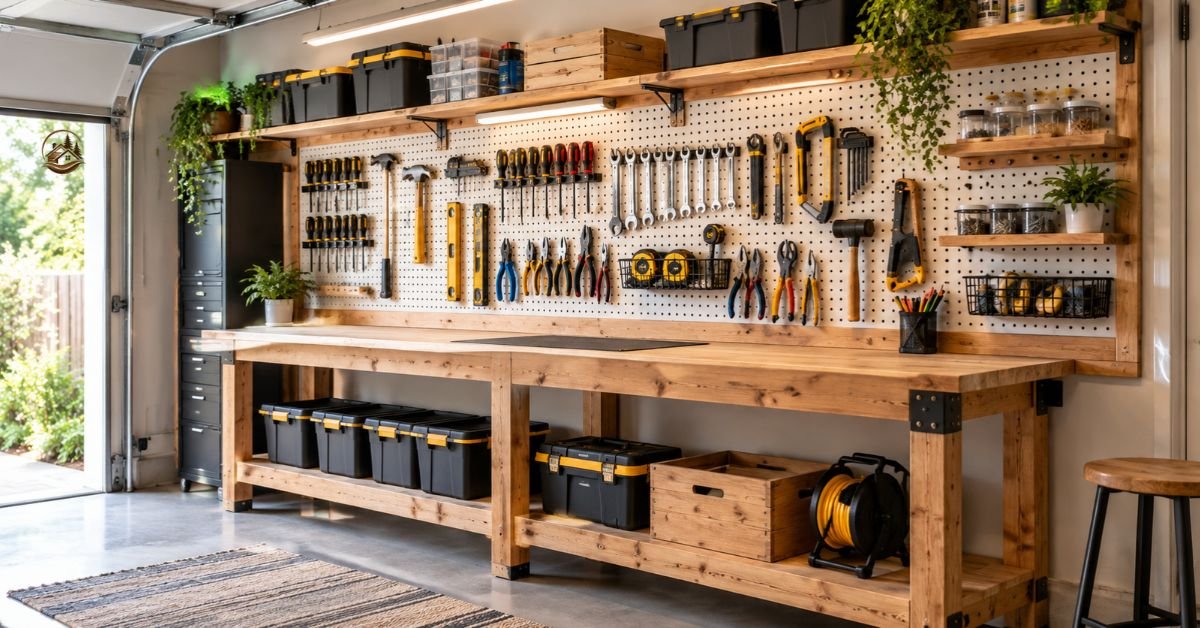
A wall-mounted tool organizer can make a garage or workshop easier to use by keeping frequently needed tools within reach. Instead of searching through crowded drawers, you can arrange your equipment according to size and purpose. A simple DIY tool organizer may include a wooden backing board, hooks, small shelves, or a DIY pegboard organizer. This approach is useful for both occasional DIY enthusiasts and regular home improvers.
Choose a wall that can safely support the combined weight of your tools and the organizer. Attach the support system using suitable mounting hardware, securing it to wall studs where appropriate. Arrange hooks and tool holders so heavier items have adequate support and frequently used tools remain accessible. You can also create separate areas for hand tools and power tool storage, making workshop organization more efficient.
9. Wooden Privacy Screen
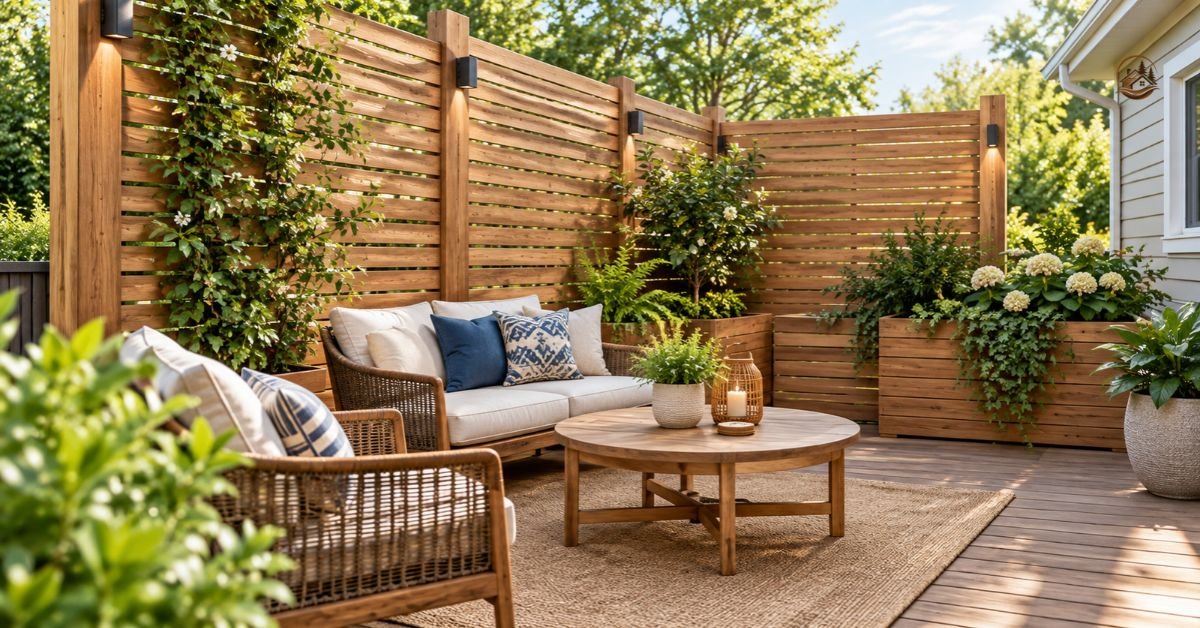
A wooden privacy screen can make a patio, balcony, or backyard feel more comfortable by limiting direct views from neighboring areas. It can also create a visual boundary around an outdoor seating space. Depending on your needs, you might choose closely spaced wooden slats or a more open design that allows light and airflow through the screen. These backyard privacy ideas can improve the appearance of an outdoor area without replacing an entire fence.
Start by measuring the space and deciding how tall and wide the screen should be. Build a suitable support frame and attach the wooden slats evenly, leaving consistent gaps if you want a partially open effect. Make sure the screen is securely anchored and designed to withstand local wind conditions. Apply a suitable outdoor finish to protect the wood, and check property boundaries and local restrictions before installing permanent privacy panels.
10. Rustic Wooden Coffee Table
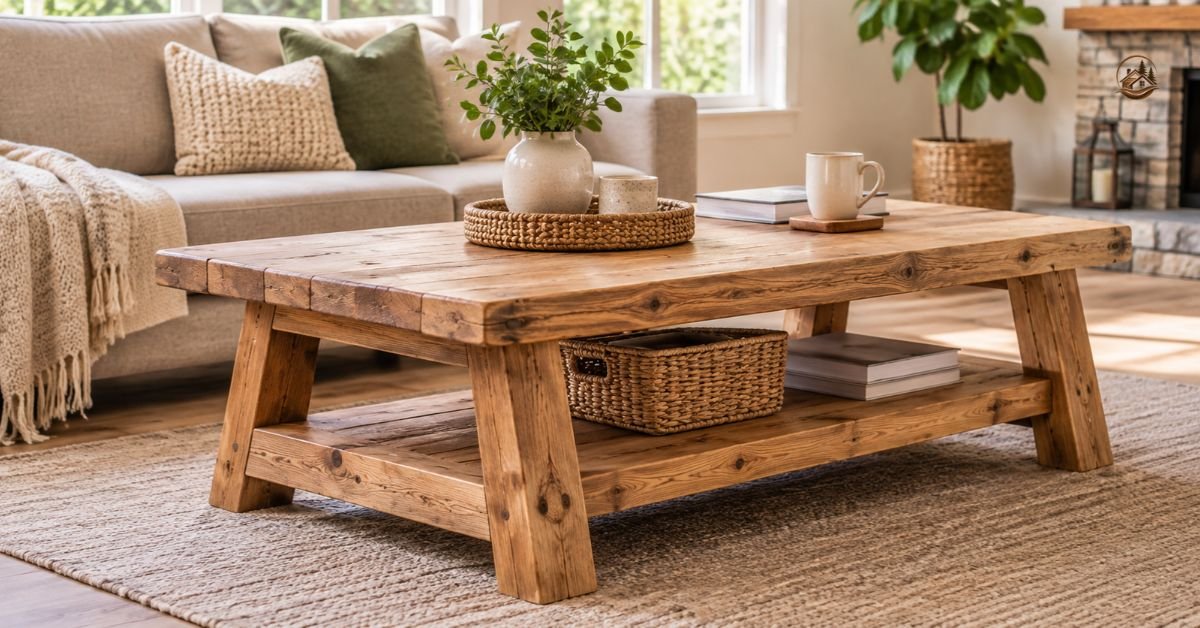
A rustic wooden coffee table can add warmth and character to your living room. Its simple shape works well with cottage, farmhouse, and cabin-inspired interiors. You can build a basic design using new timber or suitable reclaimed wood that is clean, sound, and free from damage. This project is also a useful introduction to making handmade wooden furniture.
Begin by selecting a practical tabletop size that fits your seating arrangement. Cut and sand the wood, then attach sturdy table legs using appropriate fasteners and joinery. Check that the table sits level and does not wobble before applying a wood stain or protective wood finish. If you use reclaimed wood, inspect it carefully for loose nails, cracks, and other hazards before bringing it into your home.
11. Wooden Compost Bin
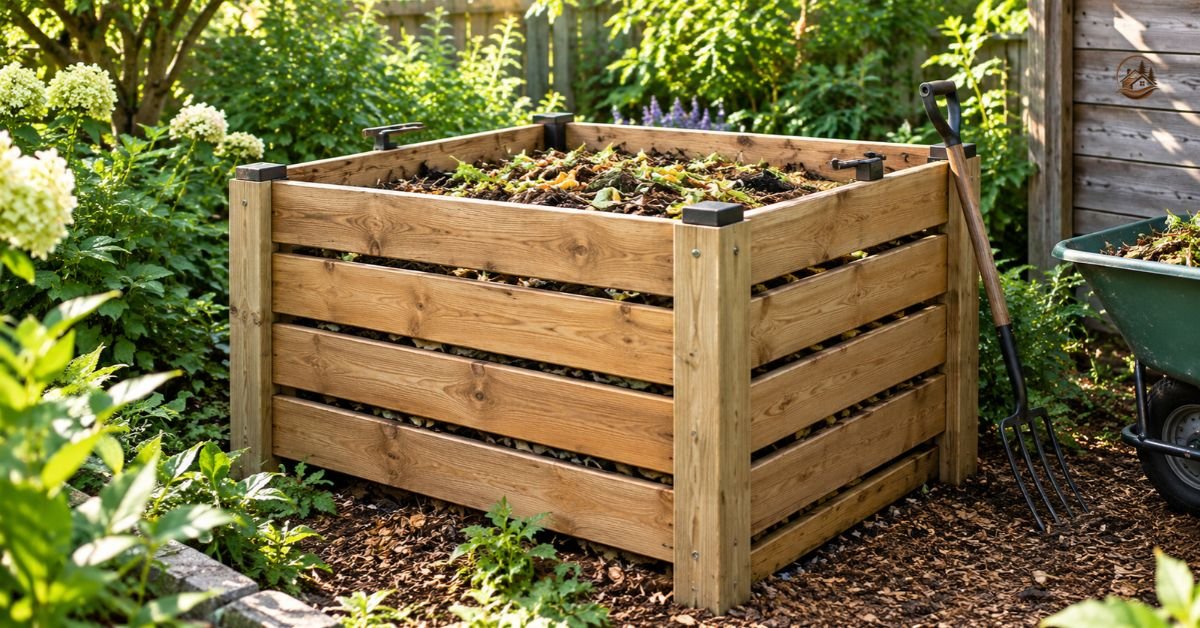
A wooden compost bin offers a practical way to recycle certain household and garden waste. Instead of sending every suitable garden clipping to the rubbish bin, you can use the material to produce compost for your plants. This project supports sustainable gardening and can help reduce the amount of organic waste your household discards. A simple wooden design can also fit naturally into a backyard garden.
Build the bin with untreated wood and leave appropriate gaps or openings to encourage compost aeration. Add suitable materials such as dry leaves, grass clippings, vegetable scraps, and other compostable plant waste. Balance wetter green materials with dry brown materials, and keep the contents appropriately moist rather than waterlogged. Avoid meat, dairy, and oily food scraps in a basic backyard composting system, as these can attract pests and create unpleasant odors.
12. Tiny Cabin Deck
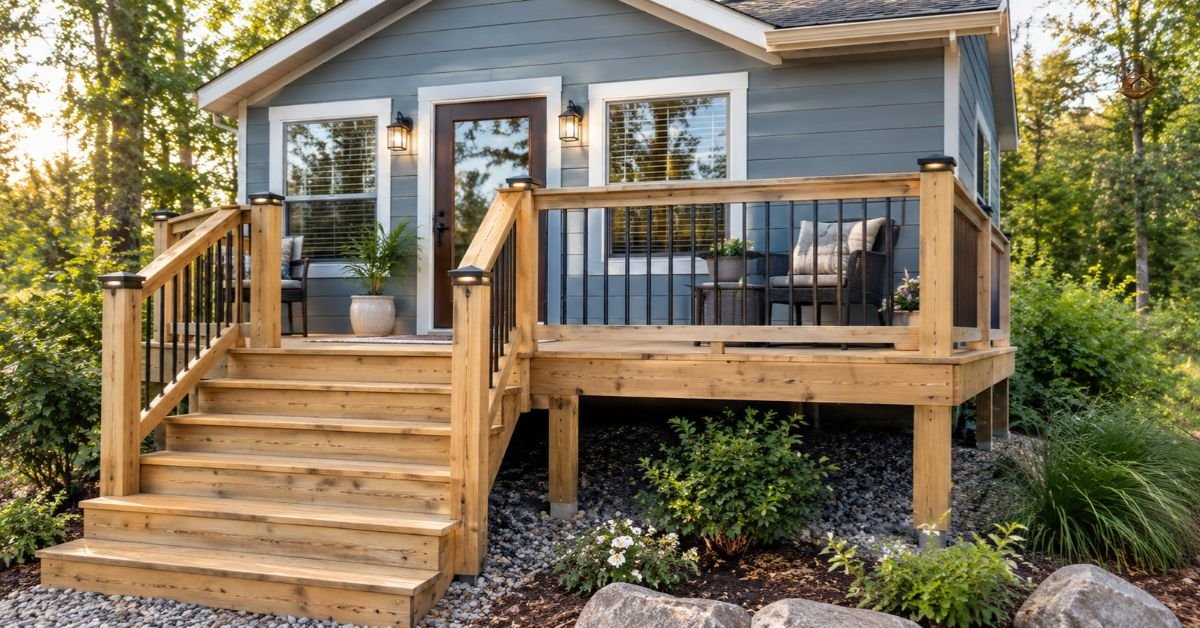
A tiny cabin deck can extend your living area outdoors and provide space for chairs, plants, or a small table. Even a modest deck can make a cabin feel more connected to its surroundings. When exploring tiny house deck ideas, consider the available ground space, the cabin entrance, and how you intend to use the area. A well-planned small cabin deck design can complement the building without overwhelming its compact proportions.
Before construction, check local building requirements and consider the ground conditions, drainage, and required foundation. A typical deck may use joists, deck boards, support posts, suitable connectors, and a railing where required. Select weather-resistant decking materials and ensure the structure has adequate load capacity and safe access. Because decks are structural projects, have the design and critical connections checked by a qualified professional when needed.
FAQs
1. What are the easiest DIY home projects for beginners?
Floating shelves, wooden planter boxes, and simple tool organizers are good starting points. Choose a project that matches your skills and available tools.
2. What tools do I need for basic DIY home projects?
Common tools include a measuring tape, pencil, drill, screwdriver, level, and suitable saw. Wear safety glasses and follow tool instructions whenever you work.
3. How can I keep DIY home projects affordable?
Plan the design before buying materials, measure carefully, and compare prices. Reuse suitable materials when they are safe and in good condition.
4. Which wood is best for outdoor DIY projects?
Cedar and other naturally durable or appropriately treated outdoor-rated woods can work well. The best choice depends on the project, climate, moisture exposure, and maintenance needs.
5. Can I build larger outdoor structures myself?
Small projects may be manageable with the right skills, but decks, pergolas, and sheds need careful planning. Check local building rules and seek professional advice for structural safety.
Conclusion
Improving your home does not always require a major renovation or an expensive contractor. These DIY Home Projects offer practical ways to organize your rooms, enhance your garden, and create more enjoyable outdoor spaces. Start with a manageable project, plan your materials carefully, and focus on building something that solves a real problem in your home.
As your confidence grows, you can move on to larger projects such as a garden shed, pergola, or tiny cabin deck. Take your time, use the right tools, and prioritize safety at every stage. With thoughtful planning and a little creativity, you can make your home more functional and welcoming one project at a time.

Welcome to BuildHypcabin! My name is Farhan, and I’m an SEO Expert with several years of experience in SEO, link building, and website growth. I’m passionate about helping websites improve their online visibility and reach the right audience.
At BuildHypCabin, I share informative and useful blogs on different topics to provide readers with practical and easy-to-understand information. For SEO-related questions, collaborations, or any other inquiries, feel free to contact me.
1 thought on “12 DIY Home Projects to Transform Your Home and Garden”