
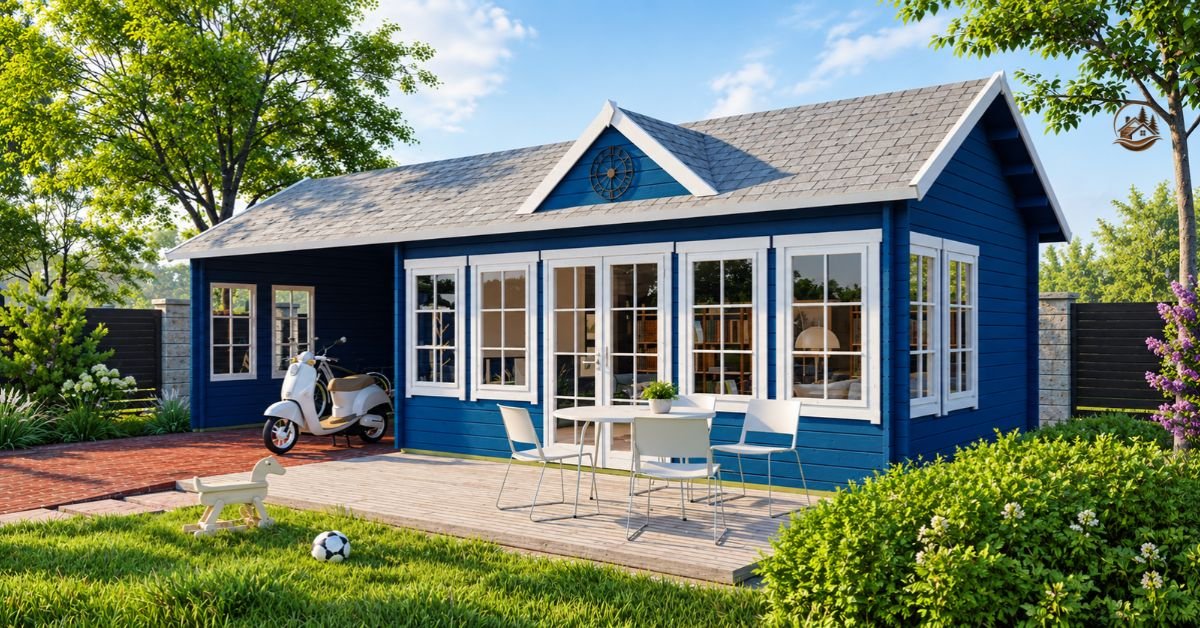
Choosing a cabin in Ireland can sound like a simple way to enjoy a cosy, timber-built home surrounded by nature. But once you start thinking about planning permission, heating, maintenance, and the real cost, the choice can become much less straightforward.
This guide takes a closer look at Cabins in Ireland, covering their advantages, drawbacks, energy performance, legal considerations, and overall value. You’ll also discover other housing options that may suit your needs better.
How Log Cabins Ireland Are Sold Today
Today, log cabins are available in several forms, from small garden buildings to larger structures designed for residential use. Some suppliers offer ready-made packages while others provide customised designs based on the size, layout, insulation, and finish you want. Prices can vary widely depending on materials, floor area, windows, doors, and the level of interior finishing.
You’ll also find a difference between a simple timber cabin and a structure intended for permanent residence. A small cabin may work well as an office, guest space, or occasional retreat without offering everything expected from a full-time home. Cabins in Ireland should therefore be compared based on their intended use rather than appearance alone.
Pros Of Log Cabins In The Irish Context
One of the biggest attractions is the natural character of timber. Exposed wood can create a warm interior and fits naturally into countryside settings. For people interested in rural Ireland or countryside homes, that appearance can be a major part of the appeal.
Timber construction can also offer a comfortable living environment when the building is designed correctly. Good cabin insulation, quality windows, suitable heating systems, and careful detailing can improve thermal performance. Modern designs can also incorporate sustainable building materials and renewable building materials where appropriate.
Another advantage is the potential for a relatively straightforward construction process. Some systems are manufactured away from the site and assembled later, which can reduce certain on-site construction tasks. However, the actual timeline still depends on foundations, site preparation, utilities, planning requirements, and the complexity of the project.
Must Read this Article: Click Here
Cons And Risks Of Treating Log Cabins As Homes
A cabin that looks suitable for living isn’t automatically suitable as a permanent home. Timber buildings require proper design and protection, particularly in a climate where moisture and changing weather conditions can create problems over time.
Before committing to a residential log cabin, consider these common concerns:
- Moisture damage: Poor drainage, inadequate protection, or water entering vulnerable areas can damage timber.
- Wood rot: Persistent moisture can contribute to rot if the structure isn’t properly maintained.
- Maintenance: Exterior timber may need regular inspection, treatment, and weather protection.
- Condensation: Poor ventilation or weak insulation can create moisture problems inside the building.
- Long-term costs: Maintenance expenses can become significant when added to heating, repairs, insurance, and other running costs.
These issues don’t mean timber buildings are unsuitable. They simply show why structural durability depends on good design, quality materials, proper installation, and ongoing timber maintenance.
Energy Performance And Winter Comfort
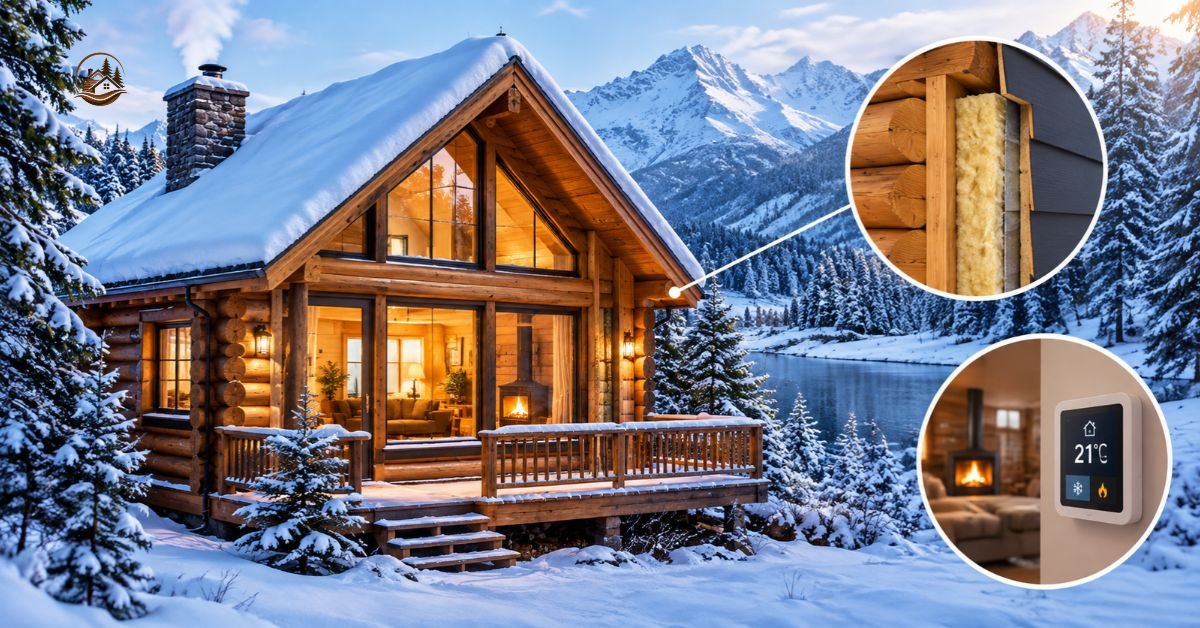
Winter comfort is one of the most important areas to investigate before buying a cabin. Ireland’s damp and changeable weather means a building needs more than attractive timber walls to stay comfortable. The quality of the insulation envelope, windows, roof, floor, ventilation, and heating system all matter.
Good wall insulation and roof insulation can reduce heat loss, while double glazing can improve comfort around windows. Airtight construction can also help control unwanted drafts, but the building still needs suitable ventilation. When these elements work together, the cabin can provide better heat retention and help control winter heating costs.
The thickness and type of insulation should therefore be considered alongside the timber structure itself. A beautiful cabin with weak insulation may become expensive to heat. On the other hand, a well-designed building can achieve much better energy efficiency and cold weather performance.
Planning, Finance And Legal Status

Planning and legal requirements can be more important than the cabin design itself. A structure intended for permanent residence may be treated differently from a small garden building or occasional-use cabin. You should check the relevant planning rules before ordering a building or committing money to a site.
The local planning authority can help clarify whether a planning application is required and what conditions may apply to the proposed development. Building regulations and Irish building standards may also affect the design and construction of a residential property.
Before making a decision, consider:
- Planning permission: Check whether your proposed use and site require permission.
- Building regulations: Confirm which technical requirements apply to the building.
- Residential use: Make sure the structure can legally be used for the purpose you intend.
- Finance: Ask lenders whether they provide a mortgage for log cabin properties or specific timber construction.
- Home insurance: Check whether insurers will cover the building and its intended use.
- Site suitability: Consider access, drainage, utilities, ground conditions, and planning restrictions.
The legal status of a building can also affect its future property value. A cabin that works as an occasional retreat may not have the same financial position as a properly approved residential property.
Cost, Value And Whole Life Comparison
The advertised price of a cabin isn’t always the final amount you’ll spend. Construction costs can include foundations, delivery, installation, insulation, windows, plumbing, electrical work, heating, interior finishing, and site preparation. These extras can make a significant difference to the final budget.
It’s useful to compare the whole-life cost rather than looking only at the initial purchase price. A cheaper structure may require more maintenance or heating, while a better-insulated building could have higher upfront costs but lower running expenses.
| Cost or Value Factor | Log Cabin | Timber Frame House | Traditional House |
| Initial construction | Can vary widely | Usually project-specific | Often higher overall |
| Foundation costs | Depends on design and site | Depends on design and site | Depends on design and site |
| Insulation | Important for comfort | Designed into the build | Standard part of construction |
| Maintenance | Timber may need regular care | Depends on exterior finish | Varies by materials |
| Running costs | Depends heavily on efficiency | Depends on energy design | Depends on energy design |
| Resale value | Depends on legal status and demand | Depends on location and quality | Strongly linked to property market |
| Whole-life cost | Requires careful calculation | Requires project assessment | Requires project assessment |
When comparing log cabin prices in Ireland, ask what the quoted price actually includes. Installation costs, foundation costs, insulation costs, and utility connections can change the budget considerably.
When Timber Cabins Ireland Still Make Sense
A timber cabin can make sense when the building’s purpose, site, budget, and legal requirements all line up. For example, someone looking for a countryside retreat, guest accommodation, home office, or properly designed residential building may find timber construction attractive.
The key is to match the building to your actual needs. If you want a full-time home, focus on planning, insulation, structural design, services, and long-term maintenance rather than simply choosing the cabin with the nicest interior.
Timber cabins may also appeal to people who value natural materials and a warm visual style. However, the decision should come from practical requirements first. A cabin that looks perfect in a brochure may not be the right choice for your site or budget.
Better Alternatives And How To Compare
Log cabins aren’t the only way to achieve a timber-based or compact home. Depending on your priorities, a timber frame house, modular home, prefab house, or modern timber home may offer a different balance between design flexibility, energy performance, maintenance, and cost.
Traditional construction can also remain a practical option. The right choice depends on the site, intended use, planning position, budget, and how long you expect to use the property. Comparing these factors side by side can make the decision much easier.
| Alternative | Main Strength | What to Check |
| Timber frame house | Flexible residential design | Construction quality and insulation |
| Modular home | Factory-based construction | Planning and site requirements |
| Prefab house | Potentially efficient construction | Specification and installation |
| Traditional brick house | Familiar construction method | Overall build and labour costs |
| Block-built house | Durable conventional structure | Insulation and finishing |
| Modern timber home | Contemporary timber design | Maintenance and energy performance |
| Tiny home | Compact use of space | Planning and residential status |
If your main priority is speed, compare modular and prefabricated homes. If natural materials matter most, timber frames and modern timber homes may be worth exploring. If long-term conventional construction is your priority, traditional brick or block-built housing may deserve a closer look.
FAQs
Are log cabins suitable for permanent living in Ireland?
They can be, but suitability depends on planning, building standards, insulation, structural design, services, and the intended residential use.
Do log cabins need planning permission in Ireland?
Planning requirements depend on the location, size, design, and intended use. Check with the relevant local planning authority before starting the project.
Are log cabins warm during Irish winters?
A well-designed cabin can be comfortable during winter when it has suitable insulation, glazing, ventilation, and heating. Timber alone doesn’t determine thermal performance.
How much does a log cabin cost in Ireland?
Costs vary considerably based on size, specification, foundations, installation, insulation, utilities, and interior finishes. The advertised cabin price may not represent the complete project cost.
What are the main alternatives to log cabins?
Common alternatives include timber frame houses, modular homes, prefabricated homes, traditional brick houses, block-built homes, and modern timber homes.
Conclusion
Log cabins can offer an attractive combination of natural materials, comfortable spaces, and countryside character. However, choosing one as a home requires more than comparing designs and prices. Planning, legal status, insulation, maintenance, site conditions, and whole-life costs should all form part of the decision.
For some buyers, a well-designed timber cabin may be a practical choice. For others, a timber frame house, modular home, prefab property, or conventional build may provide a better fit. The best option is the one that matches your site, budget, intended use, and long-term plans.

Welcome to BuildHypcabin! My name is Farhan, and I’m an SEO Expert with several years of experience in SEO, link building, and website growth. I’m passionate about helping websites improve their online visibility and reach the right audience.
At BuildHypCabin, I share informative and useful blogs on different topics to provide readers with practical and easy-to-understand information. For SEO-related questions, collaborations, or any other inquiries, feel free to contact me.
1 thought on “Log Cabins in Ireland: Pros, Cons, and Better Alternatives”