


Buying a wooden house can feel exciting, but it can also leave you wondering if you’re making the right choice. The natural look may catch your eye, yet hidden issues like moisture, wood rot, poor construction, or costly maintenance can turn a good-looking home into an expensive problem.
That’s why it’s worth knowing what to check before you buy. In this guide, you’ll discover 10 important things to look for, from wood quality and insulation to moisture damage, maintenance, construction, and long-term costs, so you can make a more confident buying decision.
1. Choose the Right Wood
Different wood species have different levels of durability, appearance, and resistance to moisture and insects. Some are naturally more durable, while others may need additional treatment to perform well over time. The right choice depends on the home’s location, climate, design, and how much maintenance you’re willing to handle.
When choosing the right wood, don’t focus only on appearance. Ask about the wood type, its intended use, and whether it has been properly treated. A beautiful exterior means little if the material isn’t suitable for the local weather conditions.
2. Check Wood Quality
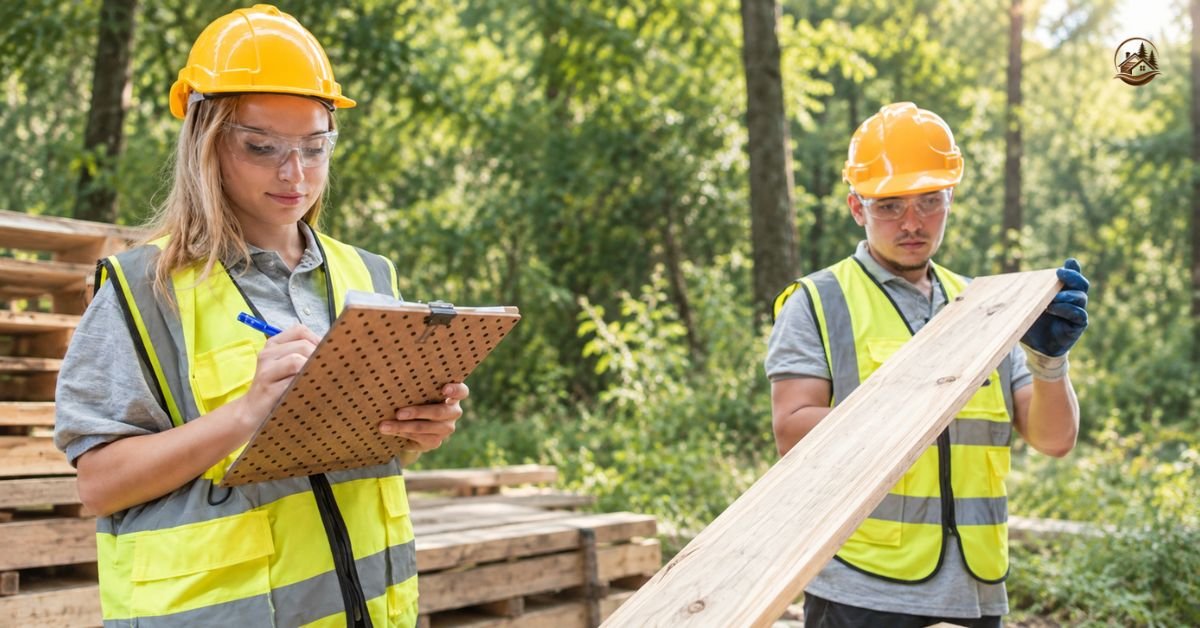
Good wood quality is one of the most important things to check before buying. Look closely for excessive cracks, warping, splitting, loose boards, or other signs that the material has deteriorated. Small imperfections may be normal, but widespread damage can point to deeper problems.
You should also ask how the timber was stored and installed. Properly selected and maintained timber can offer good wood durability, while poor-quality or improperly installed materials may require expensive repairs later.
Need More Information About Home?: Click Here
3. Look for Rot and Decay
Wood rot and decay can weaken parts of a house if they’re left untreated. Pay particular attention to areas that stay damp, such as places near the ground, around windows, under roof edges, and near gutters or downspouts.
Common signs of wood rot include:
- Soft or spongy wood when gently pressed
- Dark or discolored areas on wooden surfaces
- Crumbling, splitting, or visibly weakened boards
Don’t assume a small damaged area is always a minor issue. Rot can sometimes extend behind the visible surface, so suspicious areas deserve a closer inspection.
4. Inspect Walls and Roof
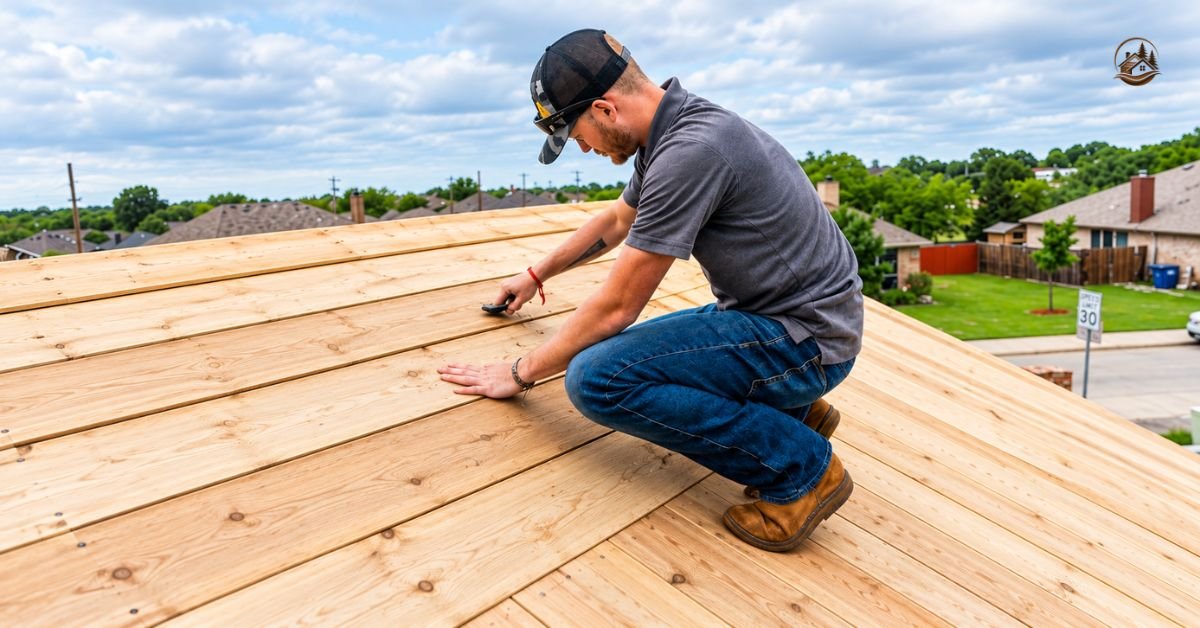
The walls and roof protect the entire wooden home from weather. Look for damaged siding, gaps, loose boards, cracked areas, missing roof materials, and signs that water may have entered the structure.
When you inspect wooden walls, also check around doors and windows because these areas can develop gaps or water-related problems. The roof condition deserves equal attention since a small leak can eventually cause serious damage to the structure below.
| Area to Inspect | What to Look For |
| Exterior walls | Cracks, warping, loose boards, damaged siding |
| Roof | Missing materials, damaged flashing, leaks |
| Windows and doors | Gaps, damaged frames, water stains |
| Lower walls | Rot, discoloration, moisture exposure |
5. Check for Moisture Damage
Moisture is one of the biggest concerns when buying a wooden house. Repeated exposure to water can contribute to wood decay, mold, staining, and structural damage. Check areas around bathrooms, kitchens, windows, plumbing fixtures, and the foundation for signs of previous water problems.
Good drainage and weather protection are also important. Look at gutters, downspouts, roof edges, and the ground around the house. If water regularly collects near the walls, the problem may continue even after repairs.
6. Consider Insulation
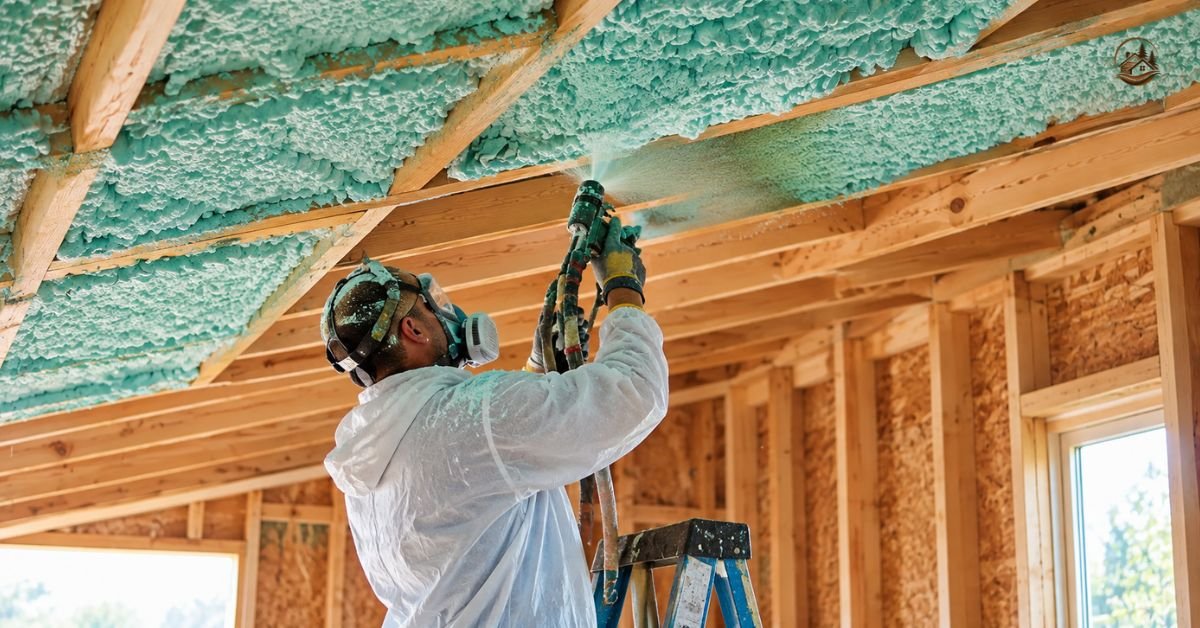
A well-insulated wooden home can be more comfortable throughout the year and may use less energy for heating and cooling. Ask what type of insulation was installed and whether it has been upgraded over time.
Check the condition of the insulation around walls, ceilings, floors, and other important areas. Proper thermal insulation can improve energy efficiency, but its effectiveness also depends on air sealing, windows, doors, and the overall construction of the home.
7. Know the Maintenance Needs
Wood requires regular attention to stay in good condition. Depending on the home’s design and climate, you may need to clean exterior surfaces, inspect for damage, reseal exposed areas, and maintain protective finishes.
Before buying, ask about previous house maintenance and any major work already completed. Regular wood maintenance can help prevent larger problems, while neglected exterior maintenance may lead to higher repair costs.
8. Check Wood Treatment
Proper wood treatment helps protect exposed timber from moisture, insects, and weather-related deterioration. Ask whether the wood has received a suitable protective coating and when it was last treated.
If the property uses treated wood or pressure-treated wood in specific areas, find out where it was used and why. Good treatment doesn’t eliminate maintenance, but it can provide an important layer of protection.
9. Consider Age and Construction
The age of a wooden house doesn’t automatically determine its quality. An older home with solid materials and good maintenance can sometimes be in better condition than a newer property that has been poorly maintained.
Pay close attention to the quality of construction. Look at how the walls, roof, joints, foundation, windows, and other components were built and maintained. If you’re unsure about the structure, having a qualified home inspector evaluate it can help uncover problems you might miss.
- Check the house age
- Inspect construction quality
- Check the foundation
- Inspect walls and roof
- Get a professional inspection
10. Calculate Long-Term Costs
The purchase price is only one part of the cost of owning a wooden home. You should also consider maintenance, repairs, exterior treatment, insulation improvements, pest control, and other ongoing expenses.
Before making a decision, compare the expected costs with your budget. A property that costs slightly more upfront may be a better choice if it has good construction, durable materials, and fewer immediate repair needs.
| Cost Factor | What to Consider |
| Maintenance | Cleaning, sealing, painting, and routine inspections |
| Repairs | Rot, damaged boards, leaks, and structural issues |
| Protection | Wood treatment and weather protection |
| Energy | Heating, cooling, and insulation efficiency |
| Pest control | Prevention and treatment of termite damage |
FAQs
Is a wooden house difficult to maintain?
Not necessarily. Regular inspections, moisture control, protective finishes, and timely repairs can keep a wooden home in good condition.
How can I check for wood rot?
Look for soft, discolored, cracked, or crumbling wood, particularly around areas exposed to moisture.
Does the age of a wooden house matter?
Yes, but age alone doesn’t determine quality. Maintenance history and construction quality are often just as important.
Is insulation important in a wooden house?
Yes. Good insulation can improve indoor comfort and help reduce heating and cooling demands.
Should I get a wooden house professionally inspected?
Yes. A professional inspection can identify structural, moisture, roofing, and other problems that may not be obvious during a normal viewing.
Conclusion
Buying a wooden house requires more than finding a property with an attractive exterior. You should examine the wood quality, look for rot and moisture damage, inspect the roof and walls, and understand the home’s insulation and maintenance requirements.
Take time to review its construction, treatment, age, and potential long-term costs before making your decision. A careful inspection today can help you avoid unexpected problems and choose a home that fits your needs and budget.

Welcome to BuildHypcabin! My name is Farhan, and I’m an SEO Expert with several years of experience in SEO, link building, and website growth. I’m passionate about helping websites improve their online visibility and reach the right audience.
At BuildHypCabin, I share informative and useful blogs on different topics to provide readers with practical and easy-to-understand information. For SEO-related questions, collaborations, or any other inquiries, feel free to contact me.
1 thought on “10 Things You Should Know Before Buying a Wooden House”