

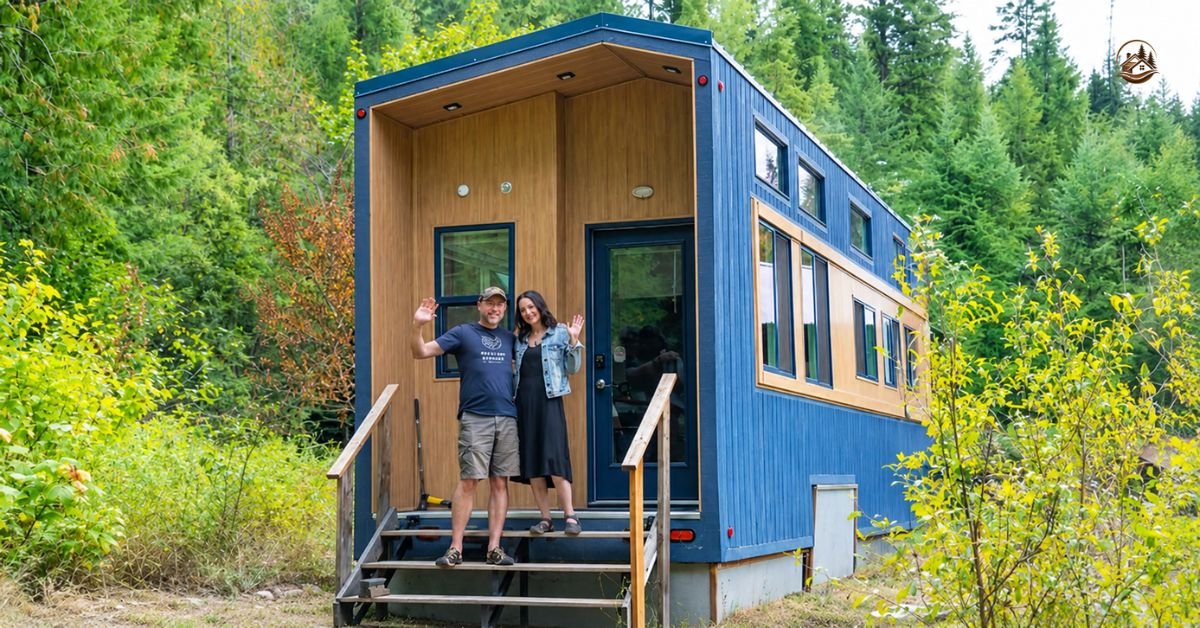
Finding a home that fits your budget without taking on a huge mortgage can feel like a challenge. For many people, Tiny Homes in Texas offer a simpler way to think about homeownership, especially if you’re ready to downsize and make better use of your money and space.
In this guide, you’ll learn what it really takes to own and live in a tiny home in Texas. We’ll cover costs, popular designs, locations, zoning rules, land, utilities, and practical buying tips so you can make sense of the options before making a commitment.
Why Tiny Homes Are Gaining Popularity in Texas
Texas offers plenty of room, but that doesn’t mean everyone wants a large house. Rising housing expenses, maintenance costs, and the desire for a minimalist lifestyle have encouraged some buyers to consider smaller homes. Tiny house living can also appeal to people who want fewer possessions, lower utility bills, and a home that’s easier to maintain.
Another reason is flexibility. Some buyers choose tiny homes on wheels because they can offer more mobility, while others prefer tiny homes on foundations for a more permanent setup. Depending on local rules and personal needs, a small home can work for a single person, couple, or even a small family. Tiny Homes in Texas can also support energy efficient homes and sustainable living when designed with efficient appliances, insulation, and smart layouts.
Must Read this Article: Click Here
How Much Does a Tiny Home Cost in Texas?
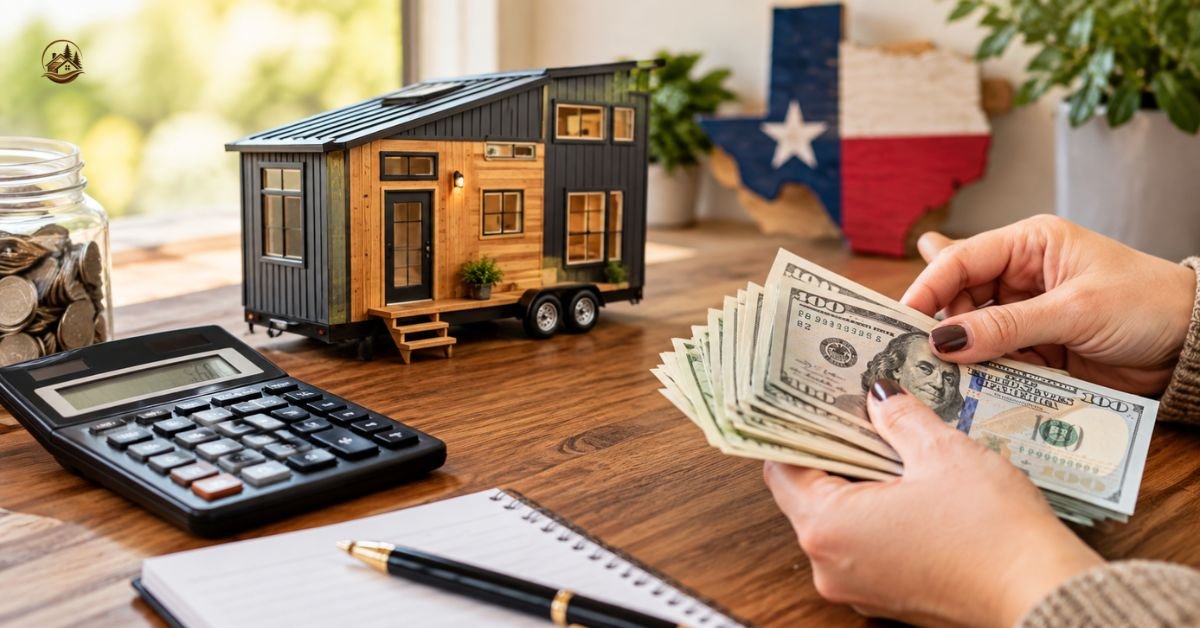
The cost of a tiny home varies widely depending on its size, construction method, materials, features, and location. A basic trailer-based tiny home may have a different price than a custom permanent tiny home with upgraded appliances, premium finishes, and a full foundation. The cost of buying a tiny home also differs from the cost of building one from scratch.
You’ll also need to look beyond the home itself. Land, site preparation, permits, utility connections, water and sewer connections, insurance, and transportation can add substantially to your budget. Before comparing prices, consider the total cost of ownership rather than focusing only on the advertised home price.
| Cost Factor | What to Consider |
| Home | Size, materials, design, and features |
| Land | Purchase price, location, and accessibility |
| Foundation | Slab, pier, or other approved foundation |
| Utilities | Electricity, water, sewer, or septic system |
| Permits | Local building and zoning requirements |
| Transportation | Important for homes built on trailers |
| Insurance | Coverage requirements can vary |
Popular Tiny Home Styles in Texas
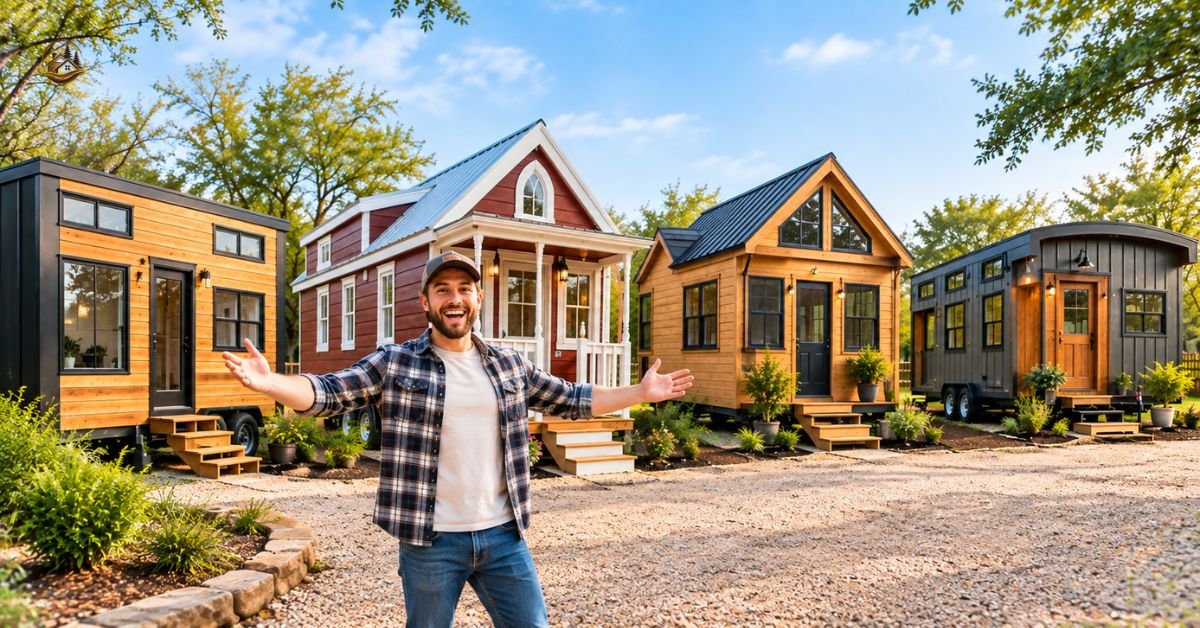
Texas buyers can choose from several tiny home designs. Modern tiny homes often feature open floor plans, large windows, clean finishes, and multifunctional furniture. Traditional tiny homes may use more familiar exterior materials and layouts, while tiny homes on wheels are designed around a trailer base and can offer greater flexibility.
Your lifestyle should guide the layout you choose. A one bedroom tiny home may work well for a couple or single person who wants separate sleeping space, while a two bedroom tiny home can provide more flexibility for children, guests, or a home office. Loft bedrooms, fold-away tables, built-in storage, and compact kitchens can make a small living space feel much more practical.
Best Places for Tiny Home Living in Texas
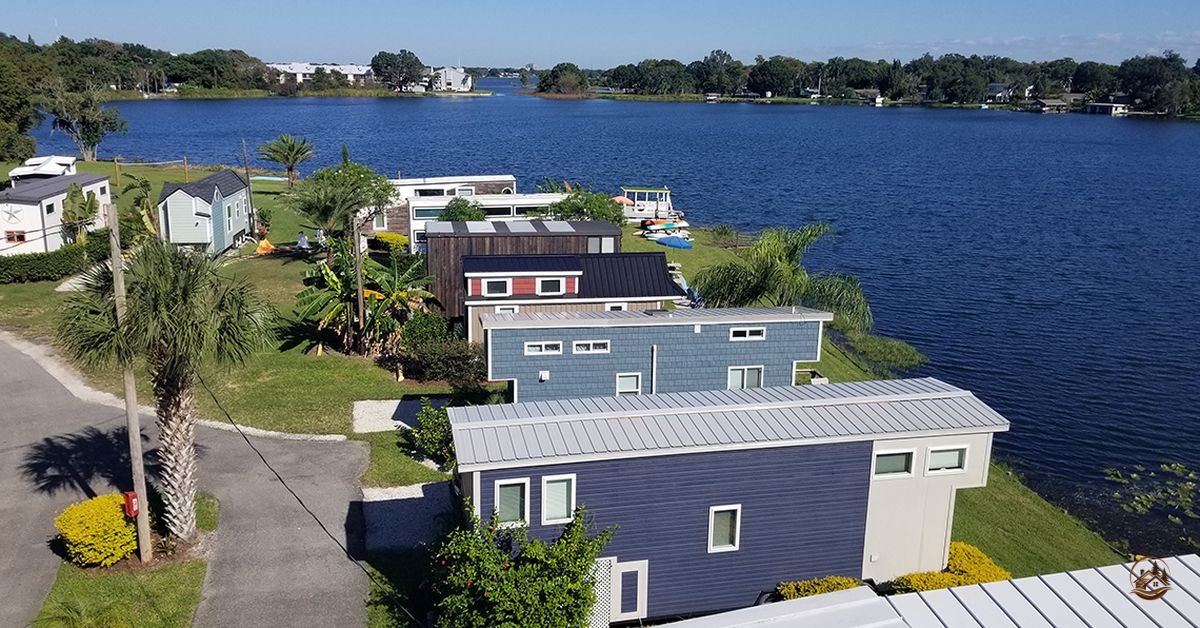
The best location depends on more than scenery or home prices. You’ll need to consider local zoning, building requirements, access roads, utilities, property taxes, and whether the land allows your particular type of tiny house. Rules can vary between cities, counties, and unincorporated areas.
Some buyers look for rural property because it may offer more space and fewer neighborhood restrictions. Others prefer established tiny home communities where infrastructure and community rules are already in place. When researching tiny home friendly cities, always confirm the current local requirements instead of assuming that rules are the same throughout Texas.
Texas Laws and Zoning for Tiny Homes
One of the most important things to understand is that there isn’t one simple rule covering every tiny house in Texas. Whether a tiny house is legal depends on factors such as whether it is on wheels or a foundation, how it is classified, where it is located, and which local zoning and building requirements apply.
Before buying, check local zoning regulations, minimum square footage rules, building permit requirements, and applicable Texas building codes. If you’re considering a trailer-based tiny home, ask specifically about tiny home parking and whether the property allows that type of dwelling. Understanding Texas tiny house laws before purchasing land can prevent expensive surprises later.
Finding Land for a Tiny Home in Texas
Buying land in Texas can be one of the biggest decisions you make. A cheap parcel isn’t necessarily a suitable place for a tiny home. Before purchasing, verify zoning, deed restrictions, road access, drainage, flood risks, utility availability, and whether the property can legally accommodate your planned home.
You may also need to prepare the land before moving in. That could include grading, driveway work, a foundation, electrical connection, water service, or septic system installation. If you’re looking for land for tiny homes, get written confirmation about important restrictions before putting down a deposit.
Utilities and Infrastructure to Consider
A tiny home still needs reliable infrastructure unless you intentionally design it as an off-grid tiny home. Electricity may come from a standard connection, solar system, or another approved setup. Water might come from a municipal connection, well, or other permitted source, while wastewater may require a sewer connection or septic system.
The Internet is another practical consideration, especially if you work from home. Before choosing a property, check whether internet service is available and whether the location has reliable cellular coverage. Planning tiny home utilities early can save you from discovering that your dream property needs expensive infrastructure work.
Tiny Homes for Different Texas Lifestyles
Tiny homes can serve different purposes depending on how you use the space. A single person might prioritize a compact kitchen, workspace, and generous storage, while a couple may prefer a larger living area and comfortable bedroom. Families usually need more thoughtful layouts, storage, and sleeping arrangements to make a small home practical.
For some buyers, the attraction is less about owning the smallest possible house and more about reducing unnecessary expenses. Tiny home living can support downsizing and a minimalist lifestyle while freeing money for travel, savings, hobbies, or other priorities. The right home should fit your daily habits rather than simply look attractive in photos.
Benefits and Challenges of Tiny Home Living

The biggest appeal is often simplicity. Smaller homes can require less cleaning and maintenance, and an efficient design may reduce energy consumption. They can also make it easier to focus on essentials instead of filling every room with furniture and belongings.
However, small spaces aren’t automatically easy to live in. Storage can become a challenge, privacy may be limited, and local regulations can restrict where you can place the home. Financing and insurance may also work differently from conventional housing. Before choosing Tiny Homes in Texas, think honestly about what you need from your home every day.
What to Know Before Buying a Tiny Home in Texas
Before buying, inspect more than the finishes and furniture. Check the structural condition, roof, windows, insulation, plumbing and electrical systems, appliances, and foundation or trailer components. A professional tiny home inspection can help identify problems that aren’t obvious during a quick viewing.
Also confirm the legal and financial side before signing anything. Ask about permits, zoning, insurance, financing, utility connections, transportation, and ongoing maintenance. If you’re comparing tiny homes for sale in Texas, calculate the complete cost of placing and maintaining the home on your chosen property rather than comparing sticker prices alone.
FAQs
Are tiny homes legal in Texas?
Yes, but legality depends on the home’s type, location, zoning classification, building requirements, and local regulations. Always check with the relevant city or county before buying.
How much does a tiny home cost in Texas?
Prices vary based on size, construction, materials, features, and whether the home is built on wheels or a foundation. Land, utilities, permits, and site preparation can add to the overall cost.
Where can I put a tiny house in Texas?
You may be able to place one on private land, in certain communities, or in areas that permit the home’s specific classification. Local zoning and property restrictions determine what is allowed.
Do tiny homes in Texas need permits?
Many projects require some form of permit or approval, but requirements vary by location and construction type. Check local building and zoning departments before starting work or moving a home onto land.
Can I live in a tiny home year-round in Texas?
It can be possible when the property and home meet applicable residential, zoning, building, and utility requirements. Don’t assume that a tiny home designed for temporary use can automatically serve as a permanent residence.
Conclusion
Tiny Homes in Texas can offer an appealing alternative for people who want less space, simpler living, and potentially lower housing expenses. But choosing the right home involves much more than picking a floor plan you like. Land, zoning, permits, utilities, construction quality, and long-term costs all matter.
Take your time, research the local requirements, and compare the complete cost before buying. With the right planning, a well-designed tiny home can give you a comfortable space that matches your budget and the way you actually want to live.

Welcome to BuildHypcabin! My name is Farhan, and I’m an SEO Expert with several years of experience in SEO, link building, and website growth. I’m passionate about helping websites improve their online visibility and reach the right audience.
At BuildHypCabin, I share informative and useful blogs on different topics to provide readers with practical and easy-to-understand information. For SEO-related questions, collaborations, or any other inquiries, feel free to contact me.